GDS Nears Completion of Yacht Engine Room Simulator

GDS Engineering R&D has reached a major development milestone in the “Yacht Engineering Training Enhancement through Engine Room Simulator Integration” (YACHTENGINE-SIM) project, with the new yacht-specific Engine Room Simulator module now approaching the final stage of development.

Developed within the framework of the Erasmus+ KA210-VET Small-scale Partnerships in Vocational Education and Training programme, YACHTENGINE-SIM was launched to introduce a more practical, digital and scenario-based approach to yacht engineering education. The project brings together Foxtrium Limited of Malta, operating through XONE Superyacht Academy, and GDS Engineering R&D of Türkiye, combining yacht-sector vocational training experience with GDS’s maritime simulation and engineering capabilities.
At the centre of the project is the development and integration of a dedicated Yacht Engine Room Simulator, designed to bridge the gap between classroom-based engineering knowledge and the operational decisions that yacht engineers and technical crew are required to make in practice.

The technical development of this simulator has now progressed to its final refinement stage.

From Project Concept to an Operating Yacht Simulation Environment

The original project objective was to develop a high-fidelity, interactive training environment capable of representing yacht engine-room operations, control systems, power generation and distribution, troubleshooting, maintenance and emergency procedures without exposing trainees or real machinery to operational risk.

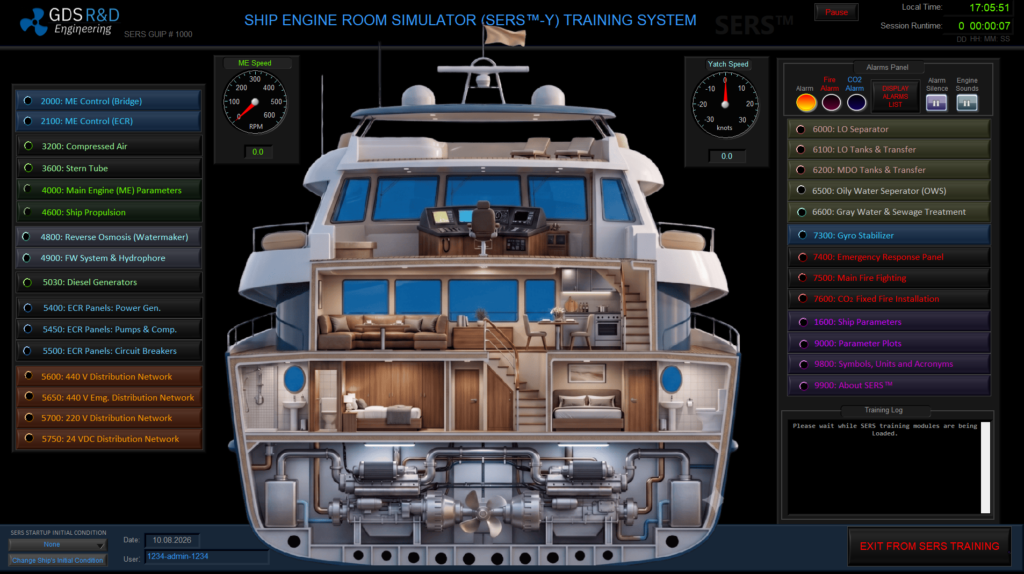
A large part of that technical scope has now been transformed into an operational simulator module within the GDS Ship Engine Room Simulator – SERS™ environment.
Rather than treating a yacht simply as a smaller version of a commercial vessel, the new module has been structured around the particular machinery, auxiliary systems, electrical architecture and hotel-service systems associated with modern yacht operation.

The simulated vessel developed for the module represents a yacht with a Length Overall of 63 metres, a Length Between Perpendiculars of 54 metres, a waterline length of 55 metres, an 11-metre moulded breadth, a 5.8-metre moulded depth, a 3.7-metre summer draught and a simulated deadweight of 265 tonnes.

This vessel model forms the common operating platform around which propulsion, electrical generation, auxiliary machinery and onboard service systems have been integrated.

Main Propulsion and Machinery Modelling

The propulsion model is based around a four-cycle, high-speed marine diesel engine configured with 12 cylinders.

Within the simulator, the engine is represented with a 135 mm bore, 156 mm stroke and an operating speed of 2,450 rpm at 100% load. The defined firing sequence and machinery characteristics are incorporated into the engine information and training interfaces so that trainees can become familiar with the basic configuration before moving into operational exercises.

This machinery representation is not intended only as a visual reference.

The engine forms part of the wider simulator architecture in which propulsion commands, engine parameters, auxiliary systems and control actions can be approached as connected elements of one operating yacht.
The simulator also incorporates a dedicated bridge control environment, allowing the relationship between bridge propulsion commands and machinery response to be included in training exercises.

This is an important part of yacht engineering education because engineering personnel must understand not only the machinery itself, but also how propulsion demand, control locations and engine-room response interact during vessel operation.

Diesel Generator and Electrical Power Systems

Electrical generation has also been integrated as a major component of the yacht module.

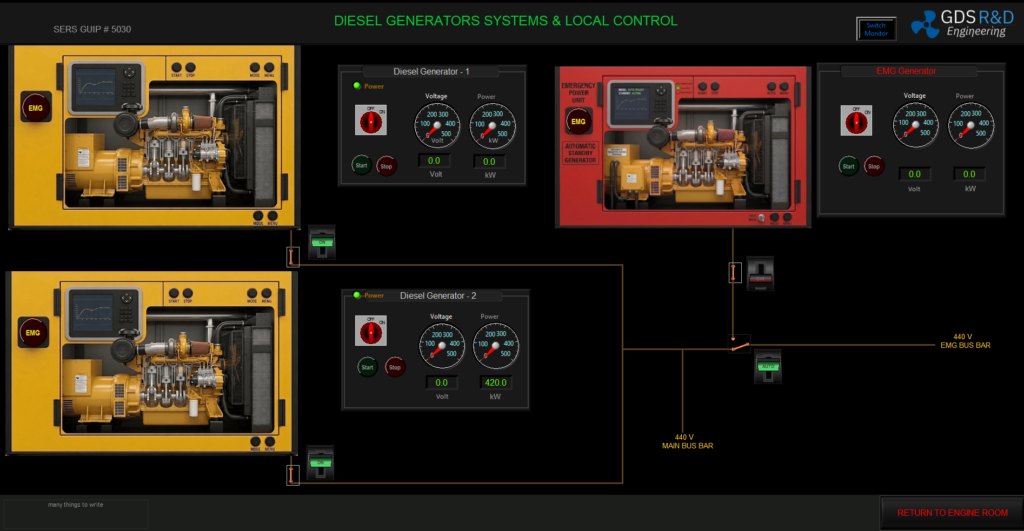
The current configuration includes three high-speed, four-stroke, supercharged diesel generator sets, each represented at 150 kW / 206 kVA at 2,200 rpm and 100% load.

Dedicated local control interfaces have been developed for the diesel generators, enabling trainees to work with generator status, voltage and power indications as part of the simulator environment.

The electrical architecture extends beyond individual generator operation.

The yacht simulator interface includes the 440 V main distribution network, 440 V emergency distribution network, 220 V distribution network and 24 VDC distribution network, together with engine-room electrical panels covering power generation, pumps and compressors, and circuit breakers.

This allows electrical power generation and distribution to be treated as an integrated engineering subject rather than as an isolated theoretical topic.

For yacht engineers, this is particularly important because reliable electrical power is directly connected to propulsion auxiliaries, navigation support systems, hotel services, pumps, safety systems and emergency equipment.

A Yacht Engine Room Extends Beyond Main Machinery

One of the important aspects of the YACHTENGINE-SIM development has been the decision to model the yacht as a complete technical environment.

Modern yacht engineers are responsible for considerably more than propulsion machinery.
For this reason, the developing simulator module brings together propulsion and conventional engine-room systems with equipment that is particularly relevant to yacht operation and onboard services.

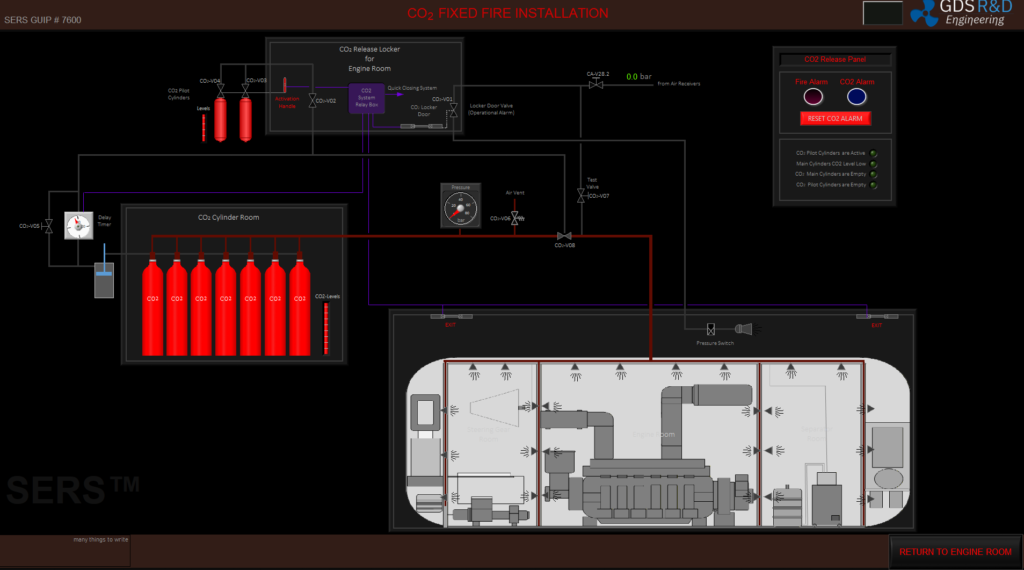
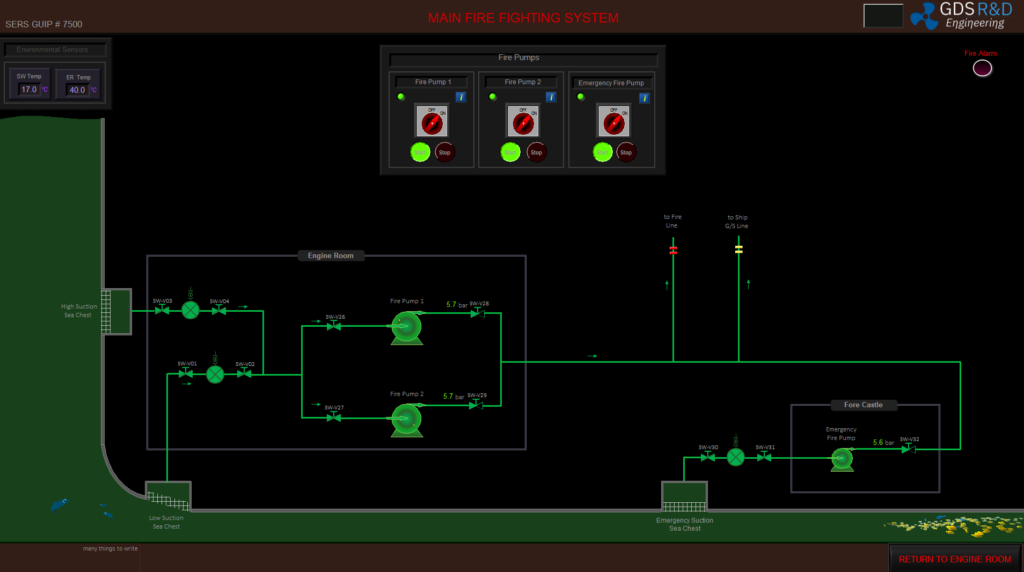
The current simulator environment includes dedicated interfaces for systems such as:

  • Gyro Stabilizer
  • Refrigeration Plant
  • Fresh Water Maker / Reverse Osmosis System
  • Diesel Generator Systems and Local Control
  • Compressed Air
  • Stern Tube Systems
  • Fuel and Lubricating Oil Storage and Transfer
  • Oily Water Separation
  • Fresh Water and Hydrophore Systems
  • Grey Water and Sewage Treatment
  • Main Fire Fighting
  • CO₂ Fixed Fire Installation
  • Emergency Response Systems

The module also incorporates ship and machinery parameters, alarm functions and parameter plotting capabilities through the central SERS™ interface.
This broader approach reflects an important reality of yacht engineering: technical competence depends on understanding the interactions between propulsion, electrical power, auxiliary machinery, safety systems and hotel-service equipment.

Gyro Stabilizer Training

A dedicated Gyro Stabilizer module has been incorporated into the simulator.

The interface combines stabilizer control with vessel stability information, including heel and trim indications, enabling the stabilizer system to be introduced within the wider context of yacht operation.

This extends simulator-based yacht engineering training into an area that is highly relevant to passenger comfort and yacht operation, while still requiring an engineering understanding of machinery control, operating status and system response.

Refrigeration Plant

The yacht module also includes a complete Refrigeration Plant training interface.

The system represents the basic refrigeration cycle and provides dedicated cold-storage areas for different onboard requirements, including meat/fish, vegetables and beverage storage.
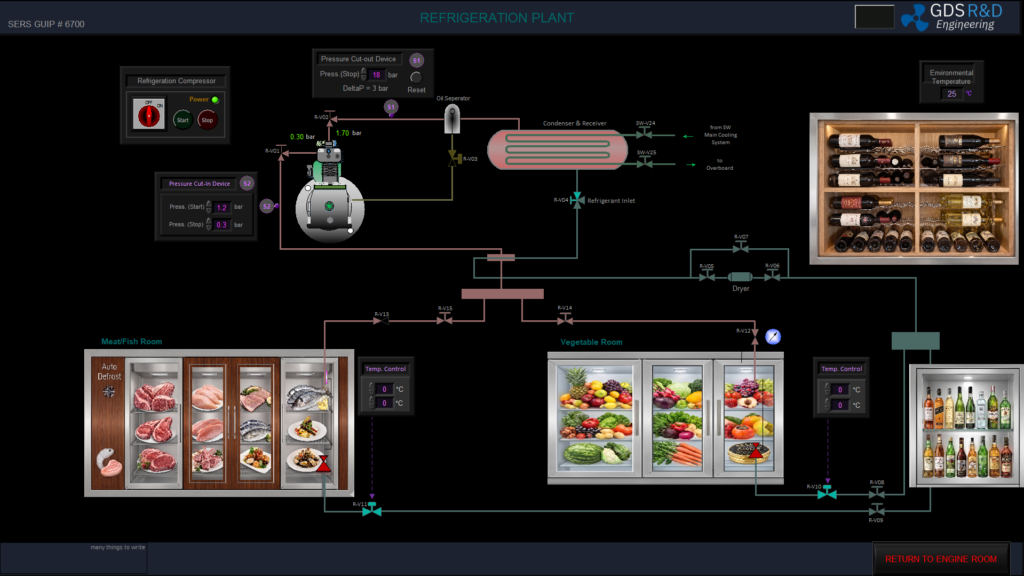
Control and monitoring elements including compressor operation, cut-in and cut-out pressure settings, condenser and receiver arrangements, refrigerant flow and temperature control are brought together in one training screen.

The objective is to allow trainees to approach refrigeration as an operational engineering system rather than only as a schematic studied in the classroom.

Fresh Water Production by Reverse Osmosis

Another completed major interface is the Fresh Water Maker System based on Reverse Osmosis.

The simulator screen includes seawater and freshwater pump control, membrane units, pressure monitoring, brine discharge and freshwater delivery toward the yacht’s freshwater tanks.
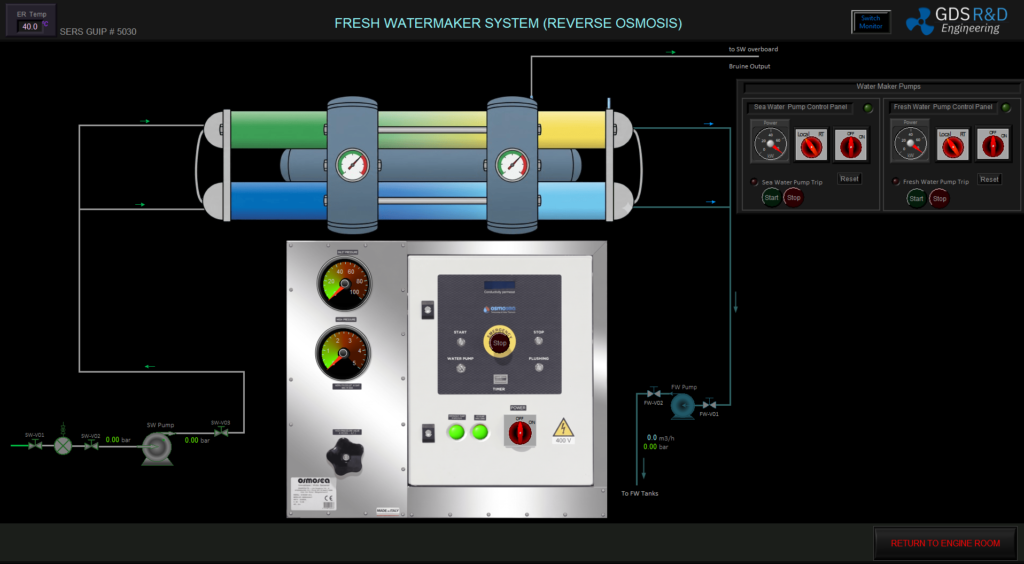
Freshwater production is a particularly important system in yacht operations because technical personnel must understand not only equipment operation but also pump sequencing, pressure conditions, seawater supply and product-water routing.

By integrating this system directly into the engine-room simulator, these operational relationships can be demonstrated and exercised within the same environment used for the rest of the yacht machinery.

Building Training Around Systems, Decisions and Faults

The objective of YACHTENGINE-SIM is not simply to reproduce machinery graphically.

The wider project was designed around simulator-based vocational learning, where trainees can work with realistic operating situations, troubleshooting tasks and emergency scenarios while developing practical decision-making and problem-solving skills.

The project also aims to integrate simulator exercises into structured yacht-engineering training programs rather than treating simulation as a stand-alone demonstration tool. This includes mapping exercises to learning outcomes, developing structured training activities and supporting competency-oriented assessment approaches.

The next stages of the project therefore extend beyond software development.

Pilot training activities are intended to place both trainees and instructors directly into scenario-based simulator sessions covering engine-room operations, troubleshooting, routine maintenance, fault diagnosis and emergency response. Feedback from these sessions will then be used to refine the training structure and simulator functionality.

From Simulator Development to Validation and Training Integration

With the core yacht module now close to completion, the project is moving from primarily technical development toward final refinement, training integration, pilot use and evaluation.

The project framework includes technical performance testing, usability evaluation, assessment of training effectiveness and consultation with maritime training and industry stakeholders. These stages are intended to examine simulator responsiveness, training usability and the effectiveness of the developed exercises before wider implementation.

The project also targets alignment of the training framework with relevant IMO STCW competency principles, with the final training approach intended to support structured and competency-based yacht engineering education.
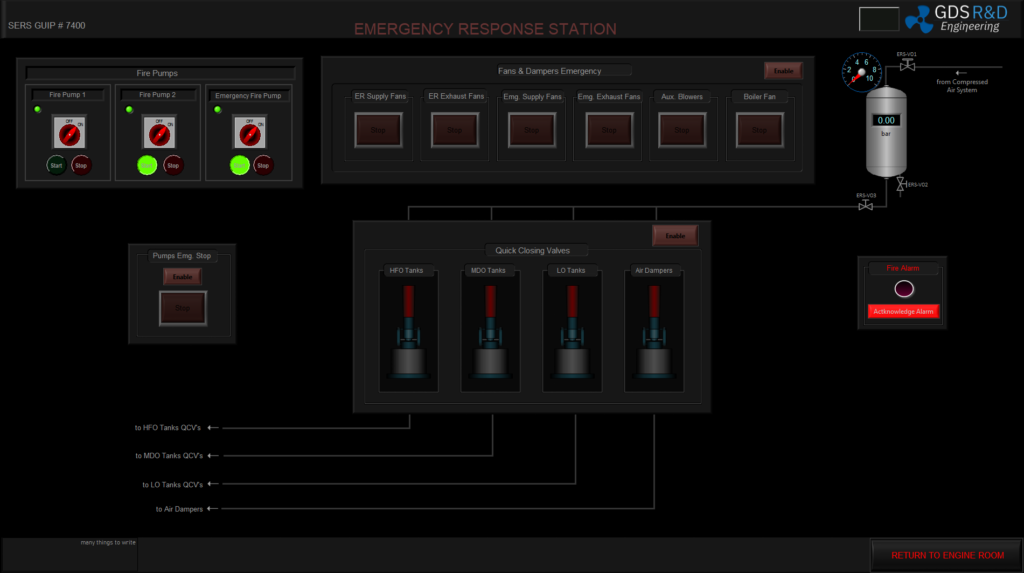
For GDS Engineering R&D, the progress achieved in YACHTENGINE-SIM represents an important extension of the SERS™ simulation platform into the yacht and superyacht training field.

The near-final module now combines a complete simulated yacht platform with propulsion machinery, diesel generators, electrical distribution, auxiliary systems, safety systems and yacht-specific service equipment within a single integrated training environment.

As the remaining development and validation work progresses, the focus will increasingly shift from building the simulator to using it as a structured engineering training tool.

The goal remains the same as when the project was initiated: to provide future yacht engineers and technical crew with an environment where they can understand systems, operate equipment, diagnose problems and develop engineering judgement before facing the same decisions onboard a real yacht.

With the Yacht Engine Room Simulator now approaching its final development stage, YACHTENGINE-SIM is moving one step closer to turning that objective into a practical training capability.

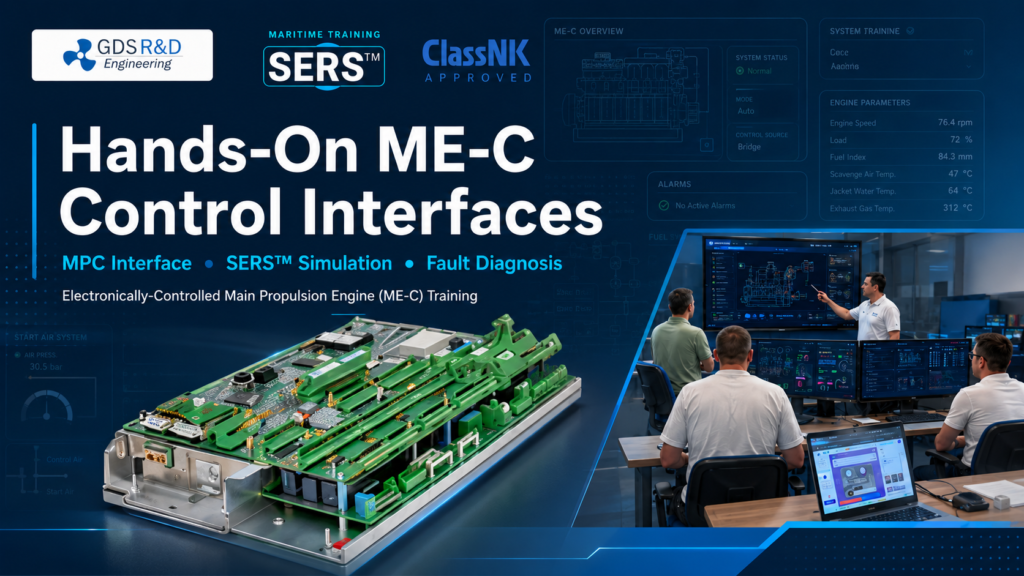
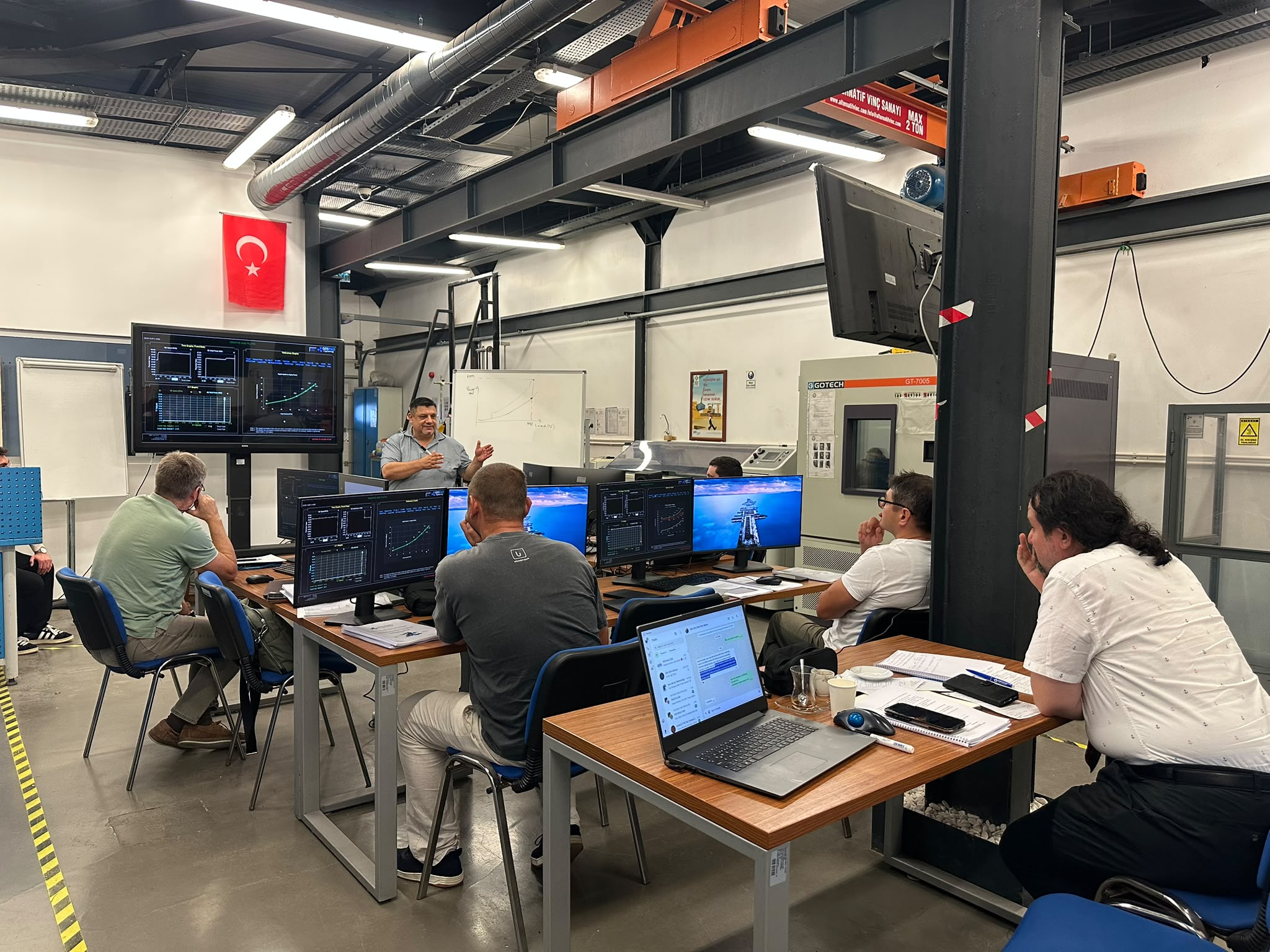
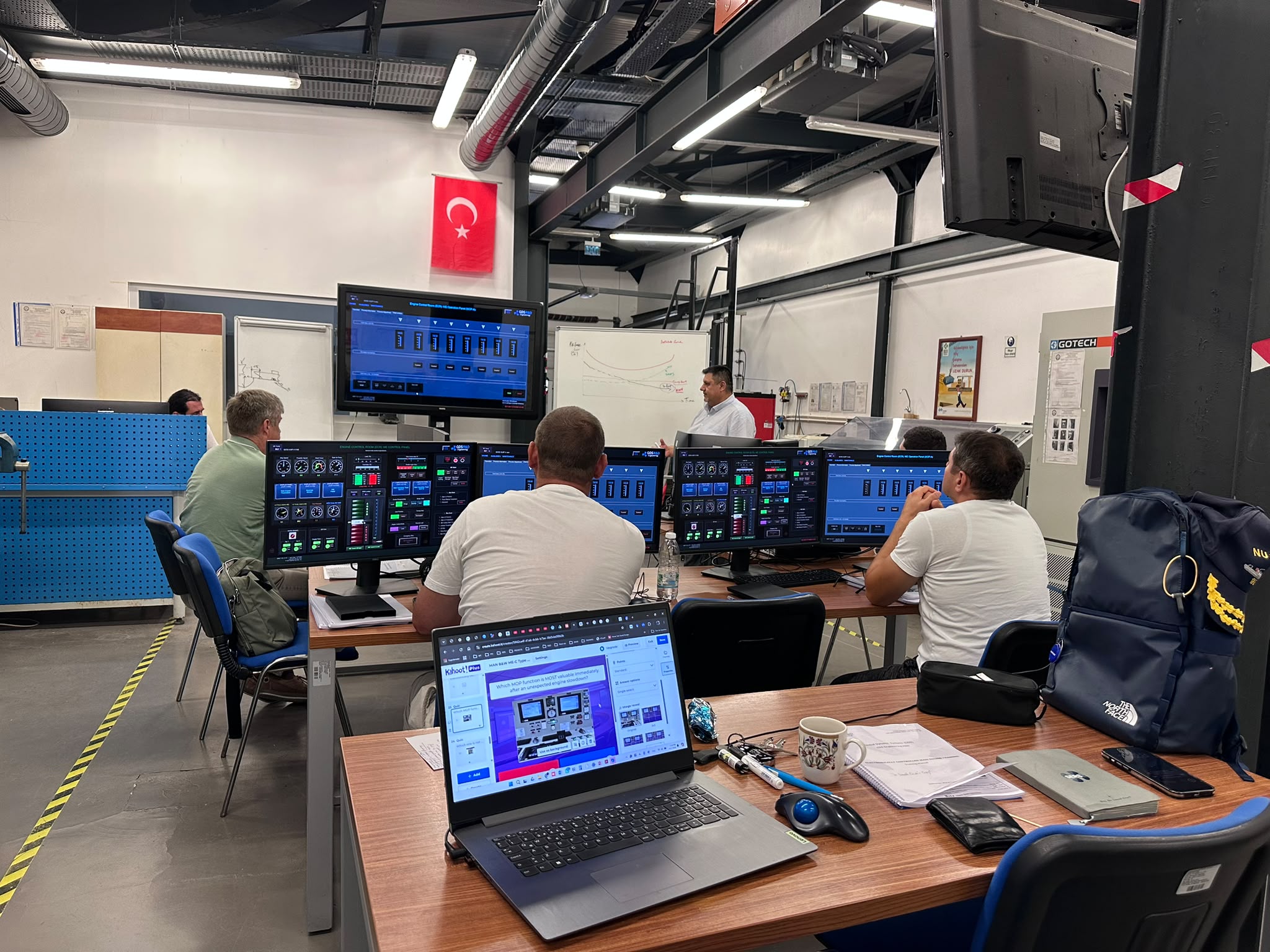
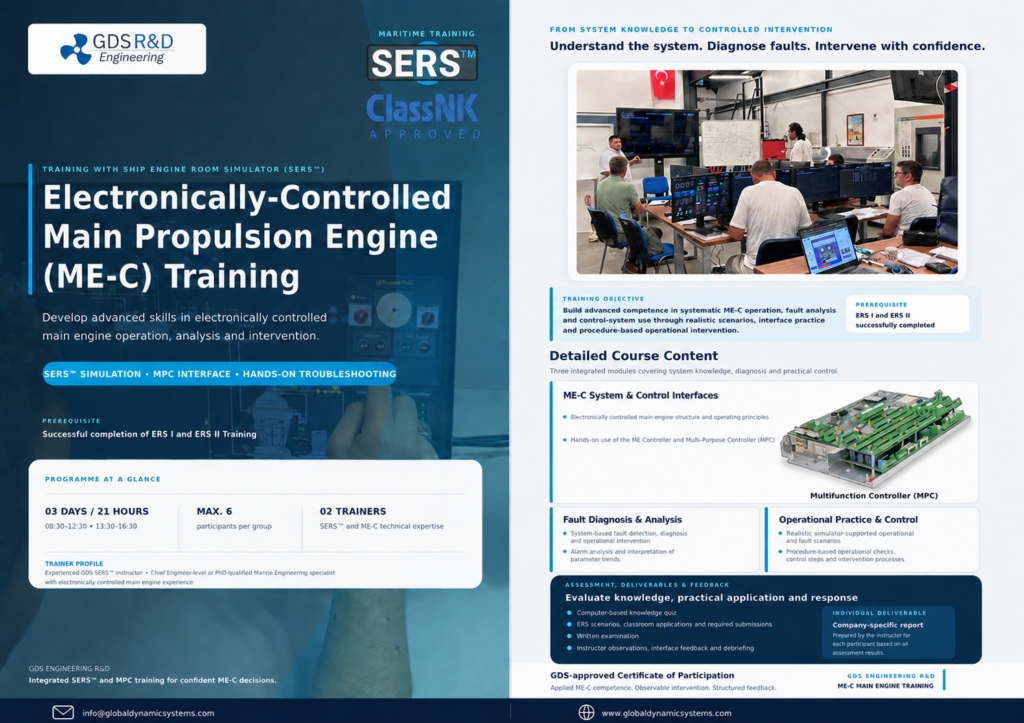
GDS Engineering R&D Delivers Hands-On ME-C Main Engine Training to DS Crewing GmbH, Germany

GDS Engineering R&D has successfully completed a three-day Electronically Controlled Main Propulsion Engine (ME-C) Training Program for the marine engineering personnel of DS Crewing GmbH, Germany.

Developed around the MAN B&W 6G60MEC-10.5-HPSCR main engine, the program combined technical system knowledge with hands-on controller practice, fault diagnosis and SERS™ simulator applications.

The key objective was clear: rather than limiting the program to classroom-based theory, participants were given the opportunity to understand the ME-C system and then work with the control interfaces used to operate, monitor and troubleshoot electronically controlled propulsion systems.

Hands-On Training with the Multifunction Controller (MPC)

A key feature of the training was the hands-on use of the Multifunction Controller (MPC).

Participants examined the controller and its relationship with the ME-C control architecture, combining component-level understanding with practical interface experience. The training addressed controller functions, system status information, feedback signals and representative fault conditions, helping participants connect what they see on the control system with what is physically happening on the engine.

This practical approach is particularly important for modern electronically controlled engines. During an actual fault, engineers need to move beyond acknowledging an alarm and determine which controller, sensor, hydraulic component or subsystem is responsible for the abnormal condition.

The training therefore combined system knowledge with hands-on troubleshooting and operational decision-making.

Understanding the ME-C System

The technical part of the program covered the transition from conventional mechanically controlled engines to electronically controlled ME architecture.

Participants examined the Hydraulic Power Supply (HPS), Hydraulic Cylinder Units (HCU), accumulators and high-pressure system oil distribution, followed by the operating principles of FIVA – Fuel Injection Valve Actuation, fuel pressure boosters, exhaust valve actuation and electronically controlled cylinder lubrication.

The program then moved into the Engine Control System (ECS), including MPC-based control architecture and the functions of the CCU, ECU and EICU, together with Tacho and sensor systems.

The MOP – Main Operating Panel was also covered to develop a systematic approach to parameter monitoring, system logs and fault information.

For the HPSCR-equipped reference engine, the program additionally addressed High Pressure Selective Catalytic Reduction, including Tier II/Tier III transition logic and the interaction between engine control and emissions-control systems.

Performance evaluation was supported by PMI and CoCoS-EDS, including cylinder-pressure information, Pmax/Pcomp evaluation and performance interpretation.

The overall troubleshooting approach followed a structured sequence:

Alarm → System Information → Fault Diagnosis → Root Cause → Operational Intervention

SERS™ Simulator Applications: From Knowledge to Action

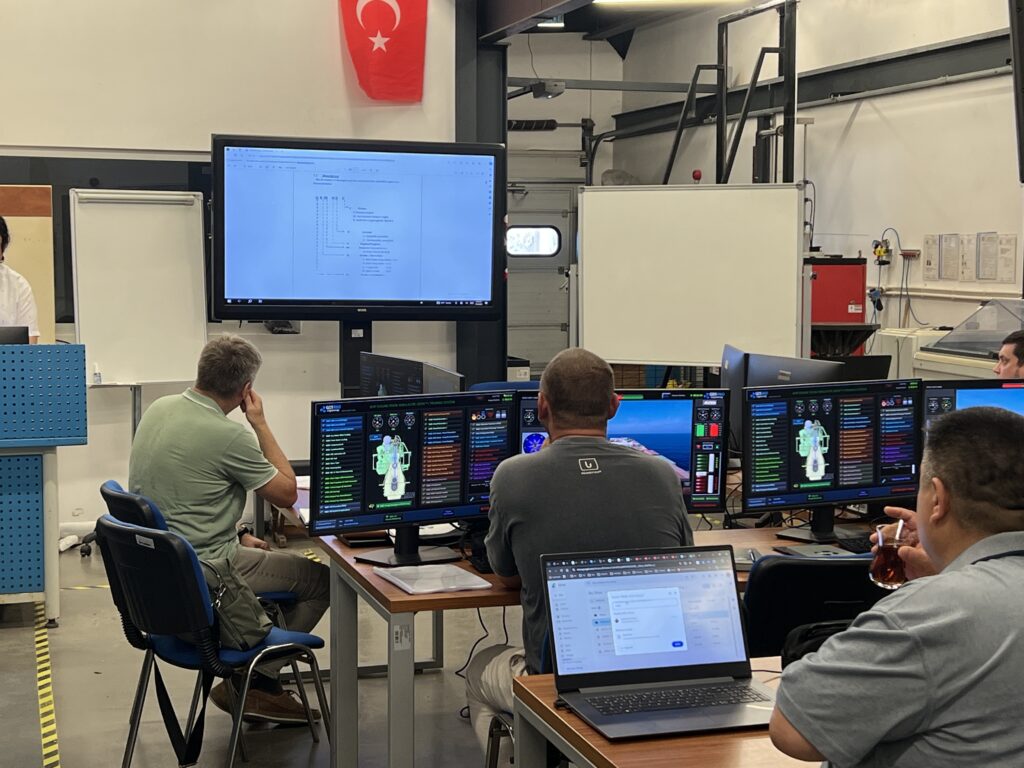
An important part of the program was carried out using the GDS Ship Engine Room Simulator – SERS™.

SERS™ enables participants to experience engine-room operations and abnormal conditions in a controlled environment where faults can be investigated without risk to real machinery or personnel.

SERS™ simulator applications enable participants to practise fault diagnosis and operational intervention in a controlled environment.

During simulator applications, participants worked with system parameters, alarms, operating conditions and fault scenarios. The objective was to transform the theoretical knowledge gained during the earlier sessions into practical engineering decisions.

SERS™ provides ME-engine-related functions including PMI, MOP A and MOP B panels, together with performance monitoring and plotting tools. This allows trainees to observe how different parameters respond as operating conditions change or faults develop.

Instead of presenting troubleshooting as a predefined answer, the simulator encourages the engineer to follow the actual diagnostic process:

Observe → Interpret → Diagnose → Intervene → Verify

This combination of SERS™ simulation and hands-on MPC applications is central to the GDS training approach: participants first understand the system, then interact with its controls, and finally apply that knowledge under realistic operational and fault conditions.

Assessment and Completion

The program concluded with simulator applications, an end-of-training examination, technical discussions and evaluation.

The aim was not only to transfer technical knowledge, but also to reinforce the participants’ ability to interpret system information, diagnose problems and make appropriate operational decisions.

We thank the DS Crewing GmbH team for their active participation, professional cooperation and valuable technical discussions throughout the program.

GDS Engineering R&D Maritime Training Programs

The ME-C program is part of the expanding maritime technical training portfolio developed by GDS Engineering R&D, combining marine engineering expertise with SERS™ simulator applications, hands-on exercises and competency-oriented assessment.

Current GDS maritime training programs include:

  • Electronically-Controlled Main Propulsion Engine (ME-C) Training
  • Main & Auxiliary Engine Performance Assessment & Fault-Finding Techniques
  • Oil Record Book (Part I) – Operational Records & Compliance Awareness
  • Ballast Water Treatment System Operation & Fault-Finding Awareness
  • Bunkering Operations – Safety, Documentation & Environmental Awareness
  • Operational-Level Refreshment Training & Assessment
  • Engine Room Resource Management (ERM) Training using SERS™

Training programs can also be adapted according to company requirements, vessel machinery and requested technical subjects, allowing organizations to focus the training on their own operational needs.

Contact Us for Maritime Training

For company-specific training, scheduled courses or further information about GDS Engineering R&D maritime training programs, please contact our team.

US Offices:GDS Global Office (EU/TR):
Dayton, OH. | Mountainview, CA
Ph. +1 (937) 912-1220
ITU ARI Teknokent | GTU Teknopark
Ph. +90 546 934 95 99
Email:  info@GlobalDynamicSystems.com
www.GlobalDynamicSystems.com

Bring system knowledge into practice with hands-on training and SERS™ simulation.

Expanding Our Capacity for European and International Projects

As GDS Engineering R&D, we participated in the Horizon Europe National Info Day held on 22 December 2025. The event brought together a wide range of stakeholders active in research, development, and innovation.

Throughout the event, key insights were shared on the structure of the Horizon Europe programme, its call mechanisms, and project development processes, with a strong focus on building effective consortia, proposal writing, and technical project management. The sessions and stakeholder interactions also provided valuable perspectives on designing more strategic and sustainable international R&D collaborations, while creating a productive environment for engaging with diverse organizations and exploring new project ideas.

At GDS Engineering R&D, we attach great importance to taking an active role in EU-funded research and innovation projects and strengthening our technical expertise through both national and international collaborations. In this context, we are open to contributing to projects under various EU programmes, particularly Horizon Europe and Erasmus+.

We welcome collaboration opportunities with institutions developing projects in engineering and simulation technologies, maritime education systems, and areas related to digital and green transition.

For project inquiries, collaboration proposals, or partnership opportunities, feel free to contact us:

info@GlobalDynamicSystems.com


Integrating renewable propulsion systems in sailing yachts: An interdisciplinary life-cycle assessment and sustainable energy model – New Q1 Journal Paper Published. A Review Post.

Summarized Introduction

  • The paper discusses the integration of renewable energy sources in marine transportation, particularly focusing on hybrid marine energy systems.
  • It highlights the importance of reducing emissions and enhancing energy conservation in transport systems, which is crucial for environmental sustainability.
  • The research identifies gaps in existing studies regarding the practical implementation of retrofitting vessels with renewable energy technologies.
  • The paper aims to provide a comprehensive overview of hybrid marine energy systems and their feasibility for improving propulsion efficiency without significantly altering vessel design.
  • It also emphasizes the need for multi-objective optimization in ship design to accommodate the effects of wind propulsion and other renewable energy sources.

Problem Statement

The core research question motivating the study is: “How can renewable-electric propulsion be effectively integrated into mid-sized cruising yachts to enhance environmental benefits and operational adequacy?” This question addresses the need for a comprehensive understanding of energy modeling, life-cycle impacts, and the operational constraints faced by such vessels.

Links and Citations:

Link: https://www.sciencedirect.com/science/article/pii/S2949736126000072?getft_integrator=clarivate&pes=vor&utm_source=clarivate

MLA:
Nomak, Hamdi Sena, and İsmail Çiçek. “Integrating renewable propulsion systems in sailing yachts: An interdisciplinary life-cycle assessment and sustainable energy model.” Green Technologies and Sustainability (2026): 100341.

APA:
Nomak, H. S., & Çiçek, İ. (2026). Integrating renewable propulsion systems in sailing yachts: An interdisciplinary life-cycle assessment and sustainable energy model. Green Technologies and Sustainability, 100341.

ISO 690:
NOMAK, Hamdi Sena; ÇIÇEK, İsmail. Integrating renewable propulsion systems in sailing yachts: An interdisciplinary life-cycle assessment and sustainable energy model. Green Technologies and Sustainability, 2026, 100341.


Summarized Abstract

  • The paper addresses the challenge of reducing life-cycle emissions in recreational craft, specifically focusing on renewable-electric yachts that can cut emissions by up to 85%.
  • This matter is significant as it aligns with global efforts to decarbonize marine transportation and improve sustainability in the yachting industry.
  • A notable gap identified is the lack of an integrated systems engineering framework that combines operational energy modeling with life-cycle assessment and techno-economic evaluation for mid-sized yachts.
  • The paper aims to provide a comprehensive analysis of renewable energy management strategies, operational constraints, and techno-economic feasibility to enhance yacht design and policy towards zero-emission vessels.

Abstract

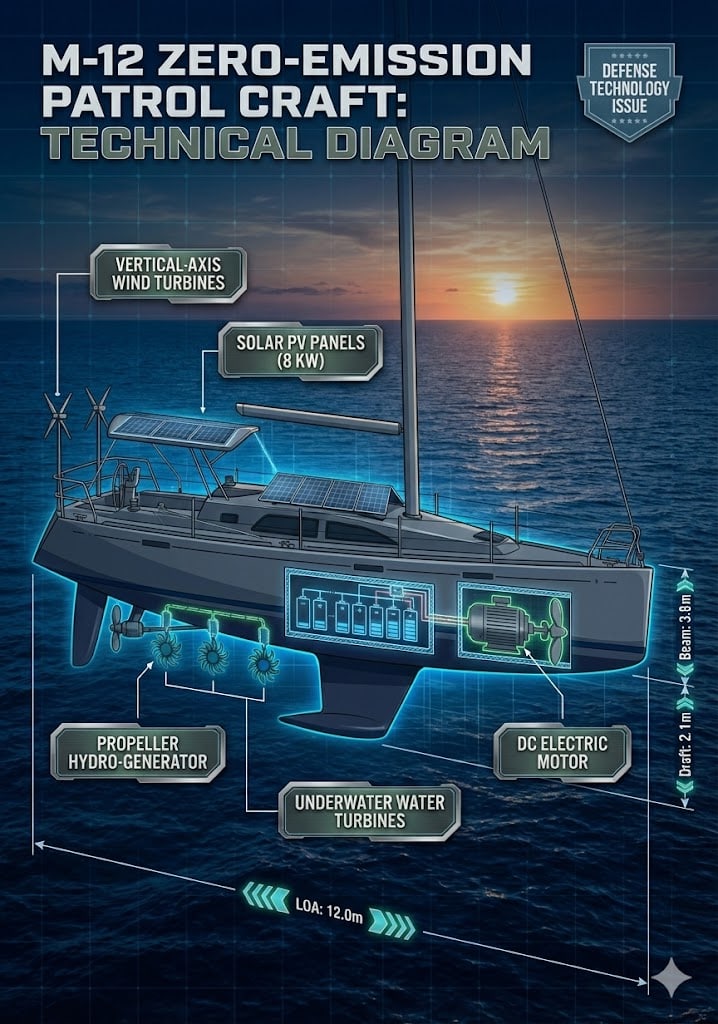
Sailing yachts can achieve operationally zero-emission propulsion by integrating solar photovoltaic (PV), wind and hydrokinetic generation with battery-electric drive systems. This study applies a systems engineering modeling framework to quantify the environmental, operational-energy and techno-economic performance of a renewable-electric retrofit for a 12 m cruising monohull, evaluated against diesel and battery-electric alternatives. An ISO 14040/14044-consistent life-cycle assessment (LCA) implemented in an Excel toolchain is coupled with time-resolved energy-balance simulations and a retrofit-oriented cost model (baseline year 2025). Over the functional unit (20 years or 20,000 nautical miles), the diesel baseline produces 65 t CO2-eq, while the battery-electric case yields 28 t CO2-eq under a moderately clean grid and the renewable-electric configuration achieves 10–12 t CO2-eq (80%–85% reduction versus diesel). In both electric cases, onboard operational CO2 emissions are eliminated, while life-cycle impacts persist due to manufacturing, replacement and end-of-life processes. Energy simulations show that integrated PV, wind and hydro generation can supply >80% of combined hotel and propulsion demand under representative cruising profiles, with storage buffering variability and an energy management strategy prioritizing real-time renewable utilization. The principal constraint is prolonged motoring in low-renewable conditions: a 30 kWh usable battery provides approximately 4 h at 5–6 kn (2.6–3.1 m/s). Sensitivity results emphasize that life-cycle outcomes are strongly influenced by electricity carbon intensity, battery production impacts, recycling rates and renewable availability. Overall, the study provides a transparent, replicable framework for designing and evaluating renewable-electric propulsion in recreational and small-scale marine craft within the broader scope of green technologies and sustainability.

Methods Used

  • The paper employs a life-cycle assessment (LCA) methodology to evaluate the environmental performance of renewable propulsion systems in sailing yachts.
  • An energy modeling approach is utilized to analyze energy generation, storage dynamics, and operational profiles under realistic conditions.
  • A techno-economic assessment is conducted to determine the economic feasibility of different propulsion configurations, including diesel, battery-electric, and renewable-electric systems.
  • The study integrates sensitivity analysis to address uncertainties in the modeling, enhancing the robustness of the findings.
  • Feasibility metrics such as renewable fraction, emissions abatement cost, and operational adequacy are assessed to evaluate the practicality of the proposed systems.

Results

  • The research indicates that an appropriately sized mix of photovoltaic (PV), wind, and hydro generation can meet the yacht’s hotel-load and limited propulsion demands during typical coastal cruising.
  • The results support the feasibility of near-complete energy self-sufficiency during typical cruising profiles.
  • The study clarifies the boundary conditions under which the energy self-sufficiency concept remains robust, including local renewable resource availability, operational intensity, and charging electricity mix.
  • The primary impact metric evaluated is the 100-year Global Warming Potential (GWP100), which considers battery manufacturing, grid carbon intensity, battery replacement frequency, and recycling rates.
  • Qualitative considerations of operational air pollutants, which are eliminated at the point of use in electric cases, are also included in the results interpretation.

Practical Implications

  • The study emphasizes the importance of matching renewable capacity and storage to the expected duty cycle of yachts, which can enhance operational efficiency and energy management.
  • It highlights the necessity of a well-designed Energy Management System (EMS) that automates power allocation, thereby reducing the burden on non-expert crews and improving energy-aware operations.
  • The paper suggests that practical integration of renewable-electric propulsion systems requires robust marine-grade installation practices to ensure safety, maintainability, and fault tolerance.
  • The findings indicate that real-world implementation is influenced by site-specific renewable inputs and operational assumptions, necessitating tailored approaches for different climates and usage intensities.
  • The research underscores the need for instrumented sea trials to validate the modeling framework, ensuring that generation yields and user-driven load patterns are accurately assessed over extended periods.

Contributions

  • The paper presents a life-cycle model that links vessel design, operation, and end-of-life impacts, enhancing understanding of environmental effects.
  • It demonstrates that renewable-electric yachts can cut life-cycle emissions by up to 85%, showcasing significant potential for reducing environmental impact.
  • The study highlights that solar, wind, and hydro sources can meet over 80% of yacht energy demand, promoting sustainable energy solutions.
  • An adaptive energy management system is proposed, which improves autonomy and battery lifespan, addressing operational efficiency.
  • The techno-economic analysis indicates a feasible payback under real sailing use, suggesting practical viability for stakeholders

Referencfes

[1] L. Bilgili, V. Şahin, Emission and environmental cost estimation of ferries operating in Lake Van, Marit. Technol. Res. 5 (3) (2023) http://dx.doi.org/10.33175/mtr.2023.262215.

[2] V. Alfonsin, A. Suarez, S. Urrejola, J. Miguez, A. Sanchez, Integration of several renewable energies for internal combustion engine substitution in a commercial sailboat, Int. J. Hydrog. Energy 40 (20) (2015) 6689–6701, http://dx.doi.org/10.1016/j.ijhydene.2015.02.113.

[3] H.S. Nomak, İ. Çiçek, Yenilenebilir Enerji Kaynakları ile Sıfır Emisyonlu bir Yelkenli Tekne Tasarımı ve Seyir Simülasyonları, Çevre İklim Ve SürdürÜlebilirlik 23 (1) (2022) 41–54, [Online]. Available: http://dergipark.org.tr/tr/pub/itucis/issue/68628/1050691. (Accessed: 28 August 2025).

[4] T. Akiyama, J.F. Bousquet, K. Roncin, G. Muirhead, A. Whidden, An engineering design approach for the development of an autonomous sailboat to cross the atlantic ocean, Appl. Sci. (Switzerland) 11 (17) (2021) http://dx.doi.org/10.3390/app11178046.

[5] T. Peša, M. Krčum, G. Kero, J. Šoda, Retrofitting vessel with solar and wind renewable energy sources as an example of the Croatia study-case, J. Mar. Sci. Eng. 10 (10) (2022) http://dx.doi.org/10.3390/jmse10101471.

[6] International Council of Marine Industry Associations (ICOMIA) and Ricardo, Pathways to propulsion decarbonisation for the recreational marine industry: Synopsis report, 2023.

[7] A. Glykas, G. Papaioannou, S. Perissakis, Application and cost–benefit analysis of solar hybrid power installation on merchant marine vessels, Ocean Eng. 37 (7) (2010) 592–602, http://dx.doi.org/10.1016/J.OCEANENG.2010.01.019.

[8] Ahmed. A. Hossam-Eldin, K.H. Youssef, K.M. AboRas, Outdoor performance of micro scale wind turbine stand alone system, J. Clean Energy Technol. 5 (3) (2017) 236–242, http://dx.doi.org/10.18178/JOCET.2017.5.3.375.

[9] J.R. Erriah, P. Liu, S. Turkmen, Hydrodynamic development and optimisation of a retrofittable dual-mode propeller turbine, Energies 17 (13) (2024) http://dx.doi.org/10.3390/en17133138.
[10] C. Rickert, A.M. Thevar Parambil, M. Leimeister, Conceptual study and develop-ment of an autonomously operating, sailing renewable energy conversion system, Energies (Basel) 15 (12) (2022) http://dx.doi.org/10.3390/en15124434.

[11] G. Radica, T. Vidović, J. Šimunović, Z. Jurić, Overview of hybrid marine energy system configurations and system component modeling approaches, Energies (Basel) 18 (5) (2025) http://dx.doi.org/10.3390/EN18051189.

[12] Z. Lv, W. Shang, Impacts of intelligent transportation systems on energy con-servation and emission reduction of transport systems: A comprehensive review, Green Technol. Sustain. (2023) http://dx.doi.org/10.1016/j.grets.2022.100002.

[13] X. Wang, J. Zhu, M. Han, Industrial Development Status and Prospects of the Marine Fuel Cell: A Review, MDPI, 2023, http://dx.doi.org/10.3390/jmse11020238.

[14] D. Olsson, F. Glaunsinger, Comparative Life Cycle Assessment of Electric Hydro-foil Boats and Fossil Driven Alternatives, Degree Project, KTH Royal Institute of Technology, Stockholm, Sweden, 2022.

[15] N.K. Obiora, C.O. Ujah, C.O. Asadu, F.O. Kolawole, B.N. Ekwueme, Production of hydrogen energy from biomass: Prospects and challenges, Green Technol. Sustain. 2 (2024) 100100.

[16] B.J. Cipriano, et al., Modeling and analysis of the voyage cycle for ferryboat electrification, Marit. Technol. Res. 5 (3) (2023) http://dx.doi.org/10.33175/MTR.2023.261999, 261999–261999.

[17] T. Zito, C. Park, B. Jeong, Life cycle assessment and economic benefits of a solar assisted short route ferry operating in the Strait of Messina, J. Int. Marit. Saf. Environ. Aff. Shipp. 6 (1) (2022) 24–38, http://dx.doi.org/10.1080/25725084.2021.1968664.

[18] M. Kolodziejski, I. Michalska-Pozoga, Battery Energy Storage Systems in Ships’ Hybrid/Electric Propulsion Systems, MDPI, 2023, http://dx.doi.org/10.3390/en16031122.

[19] S. Suardi, M.K. Maulana, R.J. Ikhwani, M.U. Pawara, F. Mahmuddin, M. Tasrief, Design and implementation of solar cells as an alternative power source for pinisi ships, Comput. Exp. Res. Mater. Renew. Energy 7 (2) (2024) 93, http://dx.doi.org/10.19184/cerimre.v7i2.52111.

[20] Z. Wang, et al., Optimizing energy management and case study of multi-energy coupled supply for green ships, J. Mar. Sci. Eng. 11 (7) (2023) 1286, http://dx.doi.org/10.3390/JMSE11071286.

[21] H. Wang, M.Z. Aung, X. Xu, E. Boulougouris, Life cycle analysis of hydro-gen powered marine vessels—Case ship comparison study with conventional power system, Sustainability 15 (17) (2023) 12946, http://dx.doi.org/10.3390/SU151712946.

[22] X. Guo, et al., Energy Management System for Hybrid Ship: Status and Perspectives, Elsevier Ltd., 2024, http://dx.doi.org/10.1016/j.oceaneng.2024.118638.

[23] B. Mannan, M.J. Rizvi, Y.M. Dai, Ship recycling in developing economies of south Asia: Changing liability to a commodity, Green Technol. Sustain. 2 (2) (2024) http://dx.doi.org/10.1016/j.grets.2023.100064.

[24] Z. Zapałowicz, W. Zeńczak, The possibilities to improve ship’s energy efficiency through the application of PV installation including cooled modules, Renew. Sustain. Energy Rev. 143 (2021) http://dx.doi.org/10.1016/j.rser.2021.110964.

[25] B. Jeong, H. Jeon, S. Kim, J. Kim, P. Zhou, Evaluation of the lifecycle environmental benefits of full battery powered ships: Comparative analysis of marine diesel and electricity, J. Mar. Sci. Eng. 8 (8) (2020) http://dx.doi.org/10.3390/JMSE8080580.

[26] S. Ekinci, M. Alvar, Sıfır emisyonlu yenilenebilir enerji üreten yelkenli bir tekne ic¸in sualtı türbin tasarımı, Dicle Üniversitesi Mühendislik Fakültesi Mühendislik Derg. 7 (3) (2016) 537–550.

[27] T.H. Chowdhury, M.R. Islam, F. Alam, M.E.A. Murad, R. Hasan, H.R. Lipu, Design of a boat powered by solar energy with an 180◦ rotating solar tracking system, SEU J. Electr. Electron. Eng. 4 (2) (2024) 916.

[28] T. Plessas, A. Papanikolaou, Multi-objective optimization of ship design for the effect of wind propulsion †, J. Mar. Sci. Eng. 13 (1) (2025) http://dx.doi.org/10.3390/jmse13010167.

[29] M. Van der Plas, W. Hillege, P. De Vos, The impact of hydro generation on board large sailing yachts, in: International Marine Design Conference, 2024, http://dx.doi.org/10.59490/imdc.2024.906.

[30] B. Bacalja Bašić, M. Krčum, Z. Jurić, Propeller optimization in marine power sys-tems: Exploring its contribution and correlation with renewable energy solutions, J. Mar. Sci. Eng. 12 (5) (2024) http://dx.doi.org/10.3390/jmse12050843.

[31] A.S. Alamoush, A.I. Ölçer, Harnessing cutting-edge technologies for sustainable future shipping: An overview of innovations, drivers, barriers and opportunities, Marit. Technol. Res. 7 (4) (2025) 277313, http://dx.doi.org/10.33175/MTR.2025.277313.

[32] I. Animah, P. Adjei, E.K. Djamesi, Techno-economic feasibility assessment model for integrating hybrid renewable energy systems into power systems of existing ships: A case study of a patrol boat, J. Mar. Eng. Technol. 22 (1) (2023) 22–37, http://dx.doi.org/10.1080/20464177.2022.2087272.

[33] T. Shah, M. Shah, Electrifying the future: Understanding the consumer trends of adoption of electric vehicles in developing nations, Green Technol. Sustain. (2024) http://dx.doi.org/10.1016/j.grets.2024.100101.

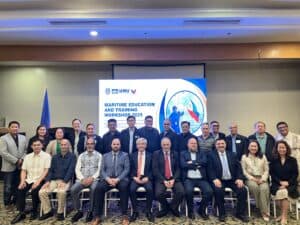
GDS Engineering at the 2025 Maritime Education and Training (MET) Workshop in Cebu City, Philippines

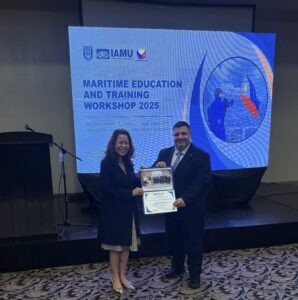
GDS Engineering is pleased to announce its participation in the 2025 Maritime Education and Training (MET) Workshop, jointly organized by the International Association of Maritime Universities (IAMU) and the Maritime Industry Authority (MARINA). The event brought together representatives from 79 Maritime Higher Education Institutions (MHEIs) across the Philippines, including university leaders, deans, program heads, and academic directors, along with international experts from Croatia, India, Japan, Sweden, and Türkiye.

Recognized as one of the region’s most influential platforms for enhancing competence based maritime education, the workshop facilitated meaningful discussions on strengthening training standards, developing academic capacity, and integrating innovative instructional methodologies into MET programs.


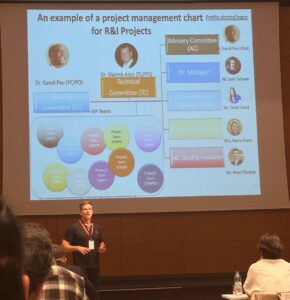
Presentation by Dr. Ismail Cicek

During the workshop, Dr. Ismail Cicek, Associate Professor at Istanbul Technical University and General Manager of GDS Engineering, delivered a well-received presentation titled:

“Future-Proofing Marine Engineer Competence: Integrating Objective and Collaborative Assessment through Engine Room Simulation.”

His session highlighted how next-generation training technologies, particularly the SERS™ Engine Room Simulator developed by GDS Engineering, can support MET institutions in:

  • enhancing individual competence through objective, automated performance assessment;
  • strengthening team-based skills such as communication, situational awareness, and resource management;
  • aligning training practices with STCW 2010 and IMO Model Course 2.07 requirements;
  • providing realistic full-mission environments for collaborative decision-making and emergency response;
  • expanding technical proficiency via advanced engineering, malfunction, and risk-management exercises.

Global Trends in Simulation Based Maritime Education

The strong interest shown by participants in simulation-based training demonstrated a global rise in digital, data-driven, and collaborative approaches within maritime education. This aligns with the increasing demand for immersive, technology-enhanced learning environments that prepare marine engineers for modern operational challenges.

At GDS Engineering, we value the role of advanced training technologies in strengthening maritime education. We are pleased to contribute to initiatives that help improve training quality, support competence development, and promote safer and more effective engineering operations in the maritime industry.

For further information about our simulation technologies or international collaborations, please contact us.

📩 info@globaldynamicsystems.com