MIL-STD-461G Training, Tailoring, Design for EMI EMC Shielding, Environmental Testing, Avionics Systems testing for environmental effects, LMIL-STD-461G, MIL-STD-461G Training, Training on EMI/EMC Testing, MIL-STD-464D Platform Requirements, RTCA-DO-160G Training, Online Training Programs, International Training, Systems Engineering Training Programs, RTCA Do 160 Test Sections, Test Management, Consultancy on Test Management, Environmental Test Management, environmental test sequence, Military Systems, Aviation Equipment, Military Platforms, Power Input, MIL-STD-704 Aircraft Electrical Interface, Environmental Effects. Paints for EMI Shielding, Paints for EMI EMC

Coatings and Paints for EMI-EMC Shielding and a Better Enclosure Design

The Importance of EMI Shielding in Enclosure Design for EMI/EMC Compliance

Electromagnetic interference (EMI) shielding is critical in enclosure design to ensure compliance with rigorous standards like RTCA-DO-160G and MIL-STD-461G. These standards govern the electromagnetic compatibility (EMC) of electronic equipment in aviation and military applications, respectively, and require devices to perform reliably in environments with high EMI levels.

What is EMI Coating? - RayMing PCB

Enclosures serve as the first line of defense against EMI, preventing unwanted electromagnetic energy from penetrating or escaping. Proper shielding ensures that internal components are protected from external interference, such as radio frequencies, and prevents emissions from interfering with surrounding equipment. Without effective shielding, devices are likely to fail compliance tests, leading to costly redesigns and delays in product development.

Incorporating EMI shielding materials, such as conductive paints, metal coatings, or gasketed seams, is essential. These materials block or redirect electromagnetic waves, reducing the risk of signal degradation and component malfunction. Key considerations include the material’s conductivity, thickness, and proper sealing of openings like vents and access panels.

Successful compliance with RTCA-DO-160G and MIL-STD-461G not only ensures product reliability but also enhances safety and operational efficiency in demanding environments. A well-designed shielded enclosure is vital for meeting these standards and achieving optimal device performance in aviation and military contexts.
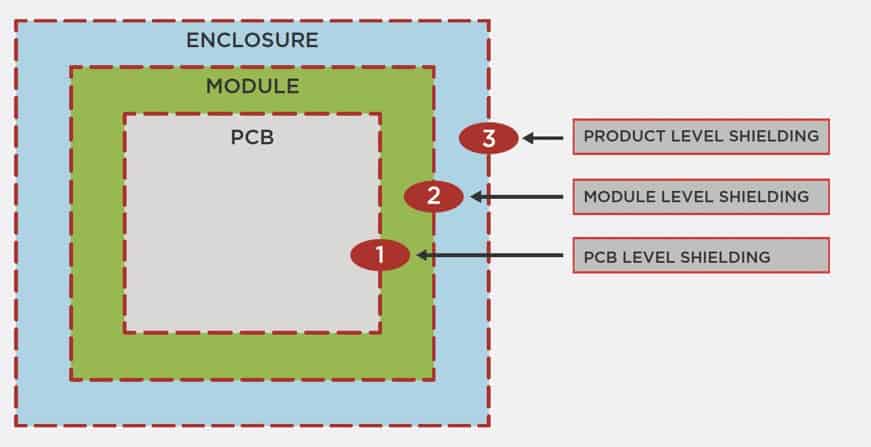
EMI Shielding for Medical Devices - Sharretts Plating Company

MIL-STD-461G Training, Tailoring, Design for EMI EMC Shielding, Environmental Testing, Avionics Systems testing for environmental effects, LMIL-STD-461G, MIL-STD-461G Training, Training on EMI/EMC Testing, MIL-STD-464D Platform Requirements, RTCA-DO-160G Training, Online Training Programs, International Training, Systems Engineering Training Programs,  RTCA Do 160 Test Sections, Test Management, Consultancy on Test Management, Environmental Test Management, environmental test sequence, Military Systems, Aviation Equipment, Military Platforms, Power Input, MIL-STD-704 Aircraft Electrical Interface, Environmental Effects, Enclosures for EMI shielding

Solutions for EMI Shielding in Enclosure Design for EMI/EMC Compliance

To ensure EMI/EMC compliance, effective shielding solutions must be integrated into enclosure design. Here are the key solutions:

1. Conductive Coatings and Paints

  • These are applied to non-metallic surfaces, such as plastic enclosures, to create a conductive layer that blocks electromagnetic waves. Common materials include silver, copper, and nickel-based coatings.

2. Metallic Enclosures

  • Using metals like aluminum or stainless steel for the enclosure itself provides natural shielding. These materials effectively reflect and absorb electromagnetic interference.

3. EMI Gaskets and Seals

  • Conductive gaskets made from materials like metal mesh or conductive elastomers seal joints and openings to prevent gaps where EMI could penetrate or escape.

4. Shielded Vents and Filters

  • For enclosures requiring airflow, shielded vents with honeycomb or mesh designs allow air to pass while blocking EMI. Filters on cable penetrations further enhance shielding.

5. Seam Design and Fastening

  • Overlapping seams, tight tolerances, and conductive fasteners minimize leakage points. Proper grounding ensures continuous conductivity throughout the enclosure.

6. Cable Shielding and Grounding

  • Shielded cables and proper grounding techniques reduce emissions and susceptibility to external interference.

7. Internal Component Shielding

  • For sensitive components, internal shielding solutions like metal cans or conductive tapes provide localized protection.

Combining these solutions in enclosure design ensures compliance with standards like RTCA-DO-160G and MIL-STD-461G, guaranteeing reliable performance in high-EMI environments.

A General Information on the EMI/EMC Shielding Paints

EMI/EMC shielding paints are specialized coatings that provide a barrier against electromagnetic interference (EMI) and ensure electromagnetic compatibility (EMC). They are crucial in various industries, including electronics, aerospace, telecommunications, and automotive, where sensitive electronic components need protection from electromagnetic radiation.

These paints work by incorporating conductive fillers, such as silver, copper, nickel, or carbon, into a binder matrix. The conductive fillers create a pathway for electromagnetic energy to be reflected or absorbed, preventing it from disrupting the operation of electronic devices.

Key Properties and Benefits:

  • Conductivity: Provides effective attenuation of electromagnetic waves.
  • Shielding Effectiveness: Measured in decibels (dB), indicating the amount of EMI reduction.
  • Corrosion Resistance: Protects against environmental factors.
  • Adhesion: Ensures good bonding to various substrates.
  • Flexibility: Allows for application on complex shapes.
  • Application Methods: Can be applied by spraying, brushing, or dipping.

Applications:

  • Electronics Enclosures: Shields electronic devices from external EMI.
  • Aerospace and Defense: Protects sensitive avionics and communication systems.
  • Medical Devices: Ensures EMC for patient safety.
  • Automotive: Shields electronic components in vehicles.
  • Telecommunications: Protects communication equipment from interference.

Choosing the right EMI/EMC shielding paint depends on factors like:

  • Shielding effectiveness required
  • Frequency range of interference
  • Operating environment
  • Substrate material
  • Application method

By effectively mitigating EMI, these paints ensure the reliable operation of electronic devices and systems, prevent data loss, and maintain signal integrity.

Application Examples

What EMI Shielding is and Why it Matters - EMC Technologies

Here is some application several examples for EMI EMC shielding:

1. Shielding Enclosures for Electronic Devices

  • Problem: Electronic devices like laptops, smartphones, and routers emit electromagnetic radiation that can interfere with other devices or be susceptible to external interference.
  • Solution: EMI/EMC shielding paints are applied to the inside of plastic enclosures housing these devices. This creates a conductive barrier that blocks radiation, ensuring proper functioning and preventing data corruption.

2. Aerospace Applications

  • Problem: Aircraft avionics and communication systems are highly sensitive to EMI, which can compromise flight safety.
  • Solution: Shielding paints are used on aircraft panels, cockpit instruments, and communication equipment to protect them from interference caused by lightning strikes, radar signals, and other electromagnetic sources.

3. Medical Devices

  • Problem: Medical devices like pacemakers, defibrillators, and MRI machines need to operate without interference to ensure patient safety.
  • Solution: EMI/EMC shielding paints are applied to the casings of these devices to prevent electromagnetic radiation from affecting their performance or causing malfunctions.

4. Automotive Industry

  • Problem: Modern vehicles are packed with electronic systems that can interfere with each other or be affected by external EMI.
  • Solution: Shielding paints are used on various components, including engine control units, entertainment systems, and sensors, to prevent electromagnetic interference and ensure reliable operation.

5. Telecommunications Infrastructure

  • Problem: Cell towers, antennas, and other telecommunications equipment are susceptible to interference from various sources.
  • Solution: Shielding paints are applied to these structures to minimize interference and maintain signal quality.

6. Secure Facilities

  • Problem: Sensitive data centers, government buildings, and military installations need protection from electromagnetic espionage and data breaches.
  • Solution: EMI/EMC shielding paints are applied to walls, ceilings, and floors to create a secure environment that blocks electromagnetic signals from entering or leaving the facility.

7. EMI Shielding Gaskets

  • Problem: Gaps and seams in electronic enclosures can allow electromagnetic radiation to leak in or out.
  • Solution: Conductive paints can be used to create EMI gaskets that fill these gaps, providing a continuous conductive seal.

These are just a few examples of how EMI/EMC shielding paints are used across various industries to protect sensitive electronics and ensure electromagnetic compatibility. As technology advances and electronic devices become more prevalent, the importance of these specialized coatings will only continue to grow.
MIL-STD-461G EMI-EMC Training

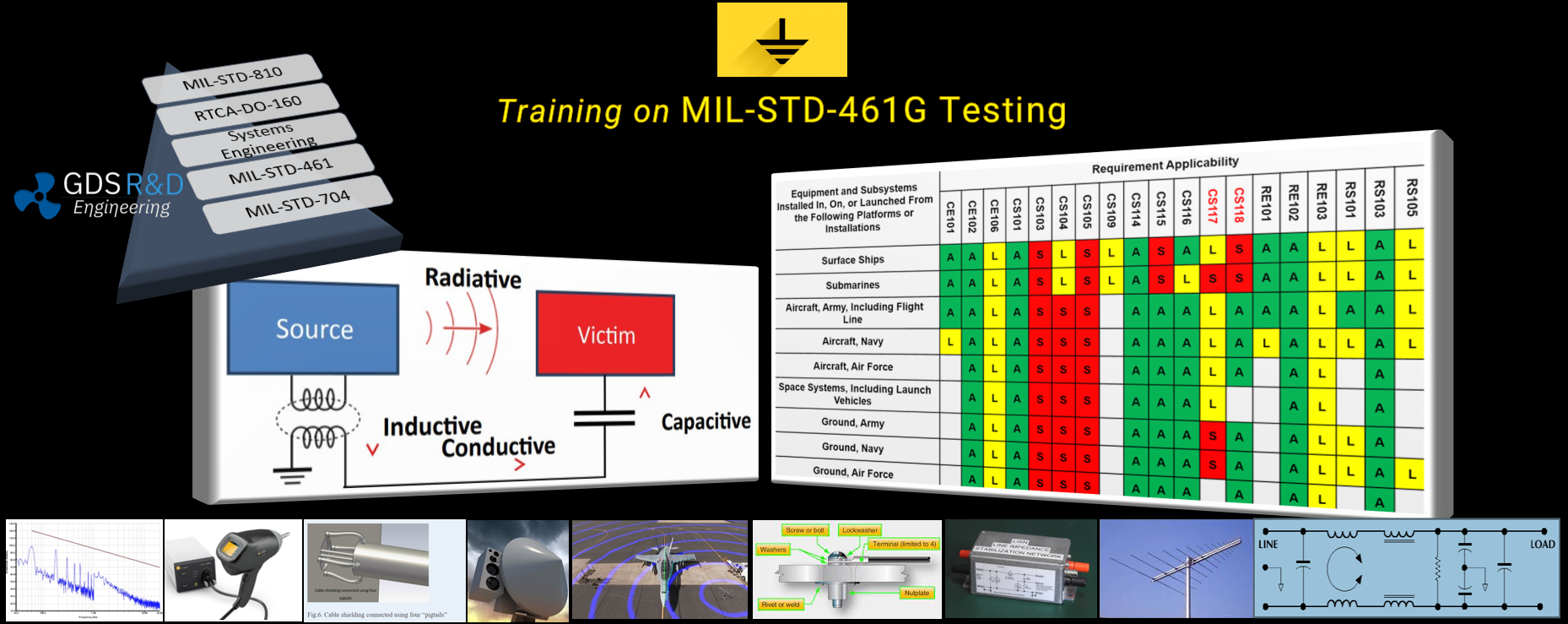
We provide training on the MIL-STD-461G EMI/EMC testing and we include the design tips such as found on this web page. We include all design tips including electrical design in our training.


MIL-STD-461G Training, Tailoring, Design for EMI EMC Shielding, Environmental Testing, Avionics Systems testing for environmental effects, LMIL-STD-461G, MIL-STD-461G Training, Training on EMI/EMC Testing, MIL-STD-464D Platform Requirements, RTCA-DO-160G Training, Online Training Programs, International Training, Systems Engineering Training Programs,  RTCA Do 160 Test Sections, Test Management, Consultancy on Test Management, Environmental Test Management, environmental test sequence, Military Systems, Aviation Equipment, Military Platforms, Power Input, MIL-STD-704 Aircraft Electrical Interface, Environmental Effects, Enclosures for EMI shielding

RTCA-DO-160G Training

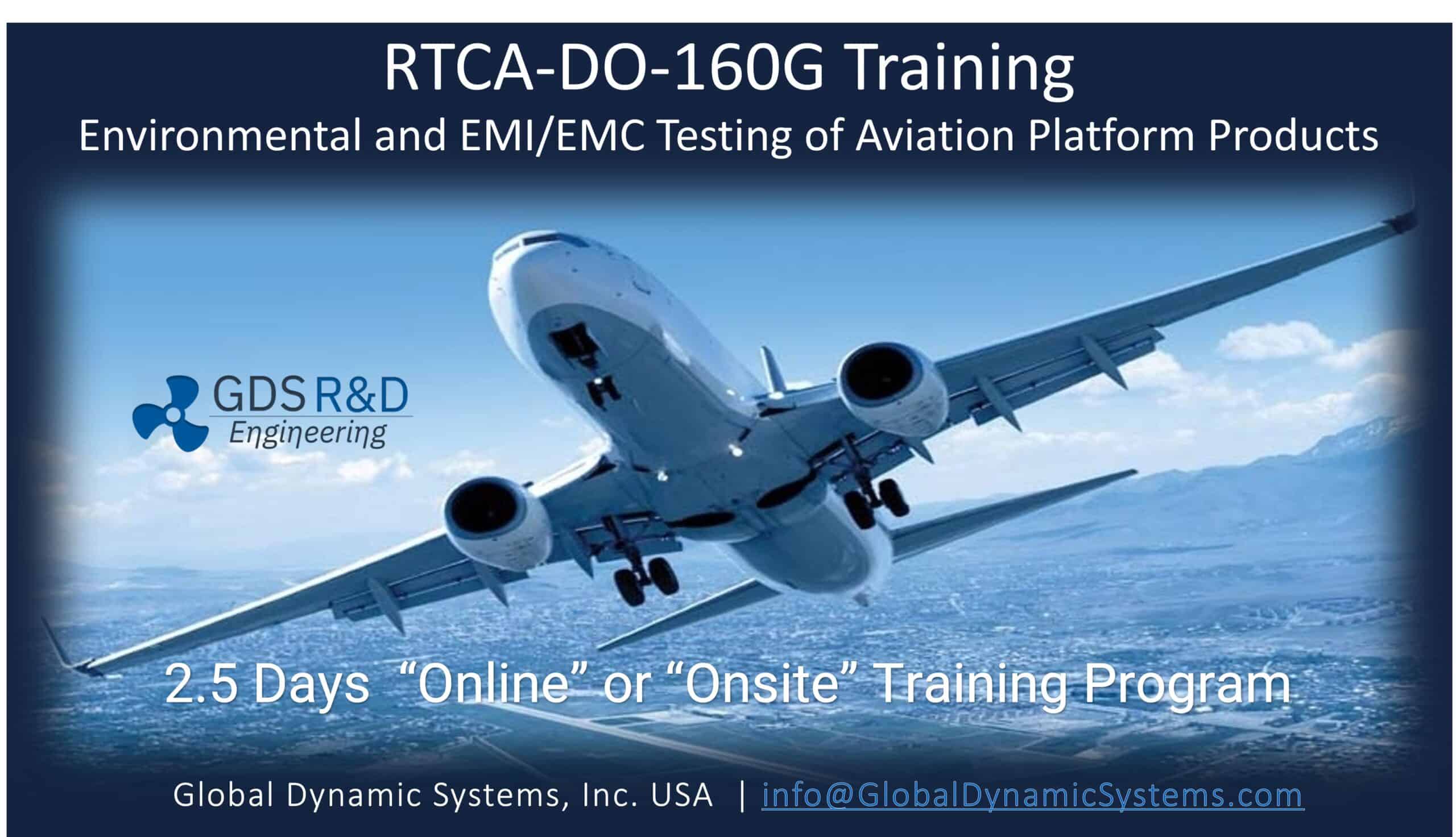
We provide training on the RTCA-DO-160G testing and we include the design tips such as found on this web page. We include all design tips including electrical design in our training for a better EMI shielding, especially for enclosures.


MIL-STD-461G Training, Tailoring, Design for EMI EMC Shielding, Environmental Testing, Avionics Systems testing for environmental effects, LMIL-STD-461G, MIL-STD-461G Training, Training on EMI/EMC Testing, MIL-STD-464D Platform Requirements, RTCA-DO-160G Training, Online Training Programs, International Training, Systems Engineering Training Programs,  RTCA Do 160 Test Sections, Test Management, Consultancy on Test Management, Environmental Test Management, environmental test sequence, Military Systems, Aviation Equipment, Military Platforms, Power Input, MIL-STD-704 Aircraft Electrical Interface, Environmental Effects, Enclosures for EMI shielding
Son yıllarda denizcilik sektörü teknolojik ilerlemeye ve daha sıkı güvenlik ve operasyon standartlarına doğru önemli bir ivme kazandı. Gemiler daha sofistike hale geldikçe ve düzenlemeler geliştikçe, iyi eğitimli gemi personelinin rolü giderek daha da önemli hale geliyor. Bu bağlamda, SIRE 2.0 programı ve GDS Gemi Makine Dairesi Simülatörü, denizcilik mürettebatını yeni talepleri karşılamak ve denizcilik operasyonlarının güvenliğini ve verimliliğini artırmak için gerekli derin teknik becerilerle donatmak üzere tasarlanmış öncü araçları temsil ediyor. SIRE 2.0'ı ve Denizcilik Eğitimine Etkisini Anlamak Gemi Muayene Raporu Programı (SIRE), özellikle tanker operasyonları için denizcilik sektöründe güvenlik ve operasyon standartlarını sürdürmede uzun zamandır temel bir araç olmuştur. Petrol Şirketleri Uluslararası Deniz Forumu (OCIMF) tarafından başlatılan program, gemilerin durumunu ve operasyonlarını değerlendiren kapsamlı bir muayene sistemi sunmaktadır. Ancak, modern gemilerin artan karmaşıklığı ve daha sıkı çevre ve güvenlik düzenlemeleriyle, geleneksel SIRE programının bu gelişen ihtiyaçları karşılamak için iyileştirmelere ihtiyacı vardı. Bu, mürettebat yeterliliği, operasyonel mükemmellik ve teknik becerilere daha fazla odaklanarak veri merkezli inceleme metodolojilerini birleştiren yükseltilmiş bir sürüm olan SIRE 2.0'ın geliştirilmesine yol açtı. SIRE 2.0'ın temel özelliklerinden biri, mürettebat üyelerinin karmaşık ekipman ve operasyonları idare etme yeterliliğini değerlendirmeye odaklanmasıdır. SIRE 2.0, yalnızca gemi durumuna odaklanmak yerine, gemideki personelin pratik becerilerini, bilgilerini ve karar alma yeteneklerini değerlendirir. Bu, mürettebat üyelerinin yalnızca ekipman ve operasyonel standartlara aşina olmasını değil, aynı zamanda kritik durumlara etkili bir şekilde yanıt verebilmelerini de sağlar. SIRE 2.0'daki mürettebat yeterliliğine vurgu, endüstrinin güvenlik ve operasyonel mükemmellikte insan merkezli bir yaklaşıma doğru kaymasıyla uyumludur. Bu paradigma değişimi, eğitim programlarının geleneksel eğitimin ötesine geçmesi ve daha pratik, teknoloji odaklı becerilere yönelmesi gerektiği anlamına gelir; GDS Gemi Makine Dairesi Simülatörü gibi simülatörlerin devreye girdiği yer burasıdır. GDS Gemi Makine Dairesi Simülatörünün Beceri Geliştirmedeki Rolü GDS Gemi Makine Dairesi Simülatörü, modern gemilerin makine dairesi ortamını taklit eden ve denizcilik personeline kontrollü bir ortamda uygulamalı deneyim sağlayan gelişmiş bir eğitim aracıdır. Bu simülatör, tahrik, yardımcı makineler, elektrik sistemleri ve acil durum protokolleri dahil olmak üzere gemi makine dairelerinde bulunan çok çeşitli kritik sistemleri kapsar. Mürettebat üyeleri simülatörü kullanarak becerilerini uygulayabilir, karar alma süreçlerini iyileştirebilir ve gerçek dünya hatalarıyla ilişkili riskler olmadan karmaşık sistemleri ele alma konusunda güven kazanabilirler. Simülatör, kursiyerlerin ekipman arızaları, güç yönetimi sorunları ve çevresel zorluklar gibi gerçekçi senaryolara katılmalarını sağlar. Bu eğitim, baskı altında etkili bir şekilde yanıt vermek için gereken derin teknik becerileri geliştirmelerine yardımcı olmak açısından paha biçilmezdir. Genellikle dijital ve otomatik kontrolleri entegre eden gemi makinelerinin artan karmaşıklığı göz önüne alındığında, bu tür simülatör tabanlı eğitim, personelin hem rutin hem de acil durum operasyonlarına iyi hazırlanmış olmasını sağlar. SIRE 2.0 ve GDS Simülatörü ile Derin Teknik Beceriler Geliştirme SIRE 2.0'ın yeterlilik standartlarını GDS Gemi Makine Dairesi Simülatörünün pratik yetenekleriyle entegre ederek, denizcilik eğitim kurumları günümüzün yüksek riskli denizcilik ortamında olmazsa olmaz olan derin teknik becerileri geliştirebilirler. Bu araçları kullanan eğitim programları aşağıdakiler de dahil olmak üzere çeşitli yönleri ele alabilir: Operasyonel Hazırlık: Gerçek hayattaki makine dairesi koşullarını simüle ederek, GDS simülatörü personelin sistemler ve süreçler hakkında sezgisel bir anlayış geliştirmesini sağlar ve bu da SIRE 2.0'ın mürettebat hazırlığı ve durumsal farkındalığa odaklanmasıyla uyumludur. Kriz Yönetimi ve Karar Verme: Simülatör, acil durumları taklit eden senaryolar sunarak kursiyerlerin kriz müdahalesi uygulaması yapmalarına, eylemleri önceliklendirmelerine ve baskı altında kritik kararlar almalarına olanak tanır. Teknik Yeterlilik: GDS simülatörü, personelin karmaşık makinelerin arızalarını giderme ve bakımını yapma konusunda gelişmiş beceriler geliştirmesine yardımcı olur ve bu da SIRE 2.0'ın operasyonel mükemmellik standartlarına ulaşmak için çok önemlidir. Çevresel Uyumluluk: Çevresel düzenlemelere giderek daha fazla vurgu yapılmasıyla, simülatör mürettebat üyelerinin uyumluluk standartlarını ve yakıt kullanımını optimize etme ve atıkları etkili bir şekilde yönetme gibi çevresel etkiyi azaltan uygulama prosedürlerini öğrenmelerini sağlar. Güvenlik Protokolleri: Gerçekçi eğitim senaryoları aracılığıyla simülatör güvenlik protokollerini güçlendirir ve personelin riskleri belirleyip azaltabilmesini sağlar; bu da SIRE 2.0 denetim programının temel bir bileşenidir.

SIRE 2.0 and Training Technical Personnel using Engine Room Simulator (ERS)

SIRE 2.0 Training

SIRE 2.0 training is designed to prepare vessel operators, crew members, and shore-side personnel for the Ship Inspection Report Programme (SIRE) 2.0, a new risk-based inspection regime introduced by the Oil Companies International Marine Forum (OCIMF).

Here's a breakdown of key aspects of SIRE 2.0 training:

Objectives:

  • Understanding SIRE 2.0: Familiarize participants with the structure, methodology, and requirements of the updated inspection program. This includes the five stages of inspection (request, validation, preparation, execution, and reporting), the revised VIQ (Vessel Inspection Questionnaire), and the focus on human factors.
  • Technical Knowledge: Enhance understanding of the technical aspects of vessel operations, including:
    • Cargo handling and operations
    • Mooring operations
    • Engineering systems and maintenance
    • Navigation and bridge procedures
    • Safety and emergency procedures
    • Environmental protection measures
  • Human Factors: Develop awareness and skills related to human factors in ship operations, such as:
    • Communication and teamwork
    • Situational awareness
    • Decision-making
    • Fatigue management
    • Stress management
    • Leadership and management
  • Compliance and Best Practices: Ensure participants are well-versed in relevant regulations and industry best practices, including:
    • SOLAS (Safety of Life at Sea)
    • MARPOL (International Convention for the Prevention of Pollution from Ships)
    • STCW (Standards of Training, Certification and Watchkeeping  for Seafarers)
    • ISGOTT (International Safety Guide for Oil Tankers and Terminals

SIRE 2.0 Training Providers

Several organizations offer SIRE 2.0 training courses, including:

By integrating SIRE 2.0’s competency standards with the practical capabilities of the GDS Ship Engine Room Simulator, maritime training institutions can foster deep tech skills that are essential in today’s high-stakes maritime environment. Training programs using these tools can address various aspects, including: Operational Readiness: By simulating real-life engine room conditions, the GDS simulator enables personnel to develop an intuitive understanding of systems and processes, which aligns with SIRE 2.0’s focus on crew readiness and situational awareness. Crisis Management and Decision-Making: The simulator provides scenarios that replicate emergency situations, allowing trainees to practice crisis response, prioritize actions, and make critical decisions under pressure.
  • SQLearn: CBT courses covering various aspects of SIRE 2.0.
  • Anglo-Eastern Maritime Training Centre: A comprehensive SIRE 2.0 training course.
  • GDS Training Institute: Developer of the Engine Room Simulator. Training offered by Istanbul Technical University Marine Engineering Department's Experts with Chief Engineering and Academic Expertise. Utilization of the GDS Ship Engine Room Simulator (SERS™) for SIRE 2.0 hands-on training. GDS & ITU Experts Team offers this training either ONLINE or FACE-to-FACE at the Istanbul Technical University Simulators Center, Tuzla, Istanbul.
  • Lloyd's Register: Provides a Tanker Vetting and Inspection (SIRE 2.0) course.
  • RINA: Offers a Vetting Inspections as per SIRE 2.0 course.

SIRE 2.0 Training Methods

Engine Room Simulator (ERS), Marine Engineering Training, Maritime Simulation, IMO STCW 2010 Standards for Training and Certification of Watchkeeping, Model Course 2.07 (2017 Ed.), Ship Electrical Systems, Full Mission, Assessment, Evaluation, Root-Cause Analysis, Troubleshooting, Performance, Operational Level, Management Level, Energy Efficiency, Online Training

SIRE 2.0 training can be delivered through various methods, including:

  • Online Courses: Offer flexibility and convenience, allowing participants to learn at their own pace.
  • Classroom Training: Provides interactive learning experiences and opportunities for group discussions and exercises.
  • Simulator Training: Allows participants to practice skills and procedures in a safe and controlled environment.
  • Onboard Training: Provides practical training and assessment in the actual work environment.

Benefits of the SIRE 2.0 Training using Engine Room Simulator

Engine Room Simulator (ERS), Marine Engineering Training, Maritime Simulation, IMO STCW 2010 Standards for Training and Certification of Watchkeeping, Model Course 2.07 (2017 Ed.), Ship Electrical Systems, Full Mission, Assessment, Evaluation, Root-Cause Analysis, Troubleshooting, Performance, Operational Level, Management Level, Energy Efficiency, Online Training
  • Improved Safety and Environmental Performance: Enhances knowledge and skills to operate vessels safely and efficiently, minimizing risks to personnel, the environment, and cargo.
  • Reduced Inspection Deficiencies: Prepares vessels and crew for SIRE inspections, reducing the likelihood of findings and non-conformities.
  • Enhanced Compliance: Ensures compliance with industry standards and regulations, minimizing the risk of penalties and detentions.
  • Improved Operational Efficiency: Promotes best practices and efficient operations, leading to cost savings and improved productivity.
  • Increased Competitiveness: Demonstrates commitment to safety and quality, enhancing reputation and competitiveness in the industry.

By investing in SIRE 2.0 training, vessel operators and crew can ensure they are well-prepared for the new inspection regime and contribute to a safer and more sustainable maritime industry.

The Importance of SIRE 2.0 and GDS Ship Engine Room Simulator in Developing Advanced Skills for Onboard Maritime Personnel

The maritime industry has significantly pushed towards technological advancement and stricter safety and operational standards in recent years. As vessels become more sophisticated and regulations evolve, the role of well-trained onboard maritime personnel becomes increasingly essential. In this context, the SIRE 2.0 program and GDS Ship Engine Room Simulator represent pioneering tools designed to equip maritime crews with deep technical skills necessary to meet new demands and improve the safety and efficiency of maritime operations. These tools provide a more immersive and practical learning experience, allowing crew members to understand ship operations and emergency procedures better, thereby enhancing their ability to respond effectively in real-world situations.

For more reading: SIRE 2.0 Training and GDS Ship Engine Room Simulator.


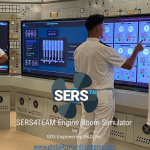
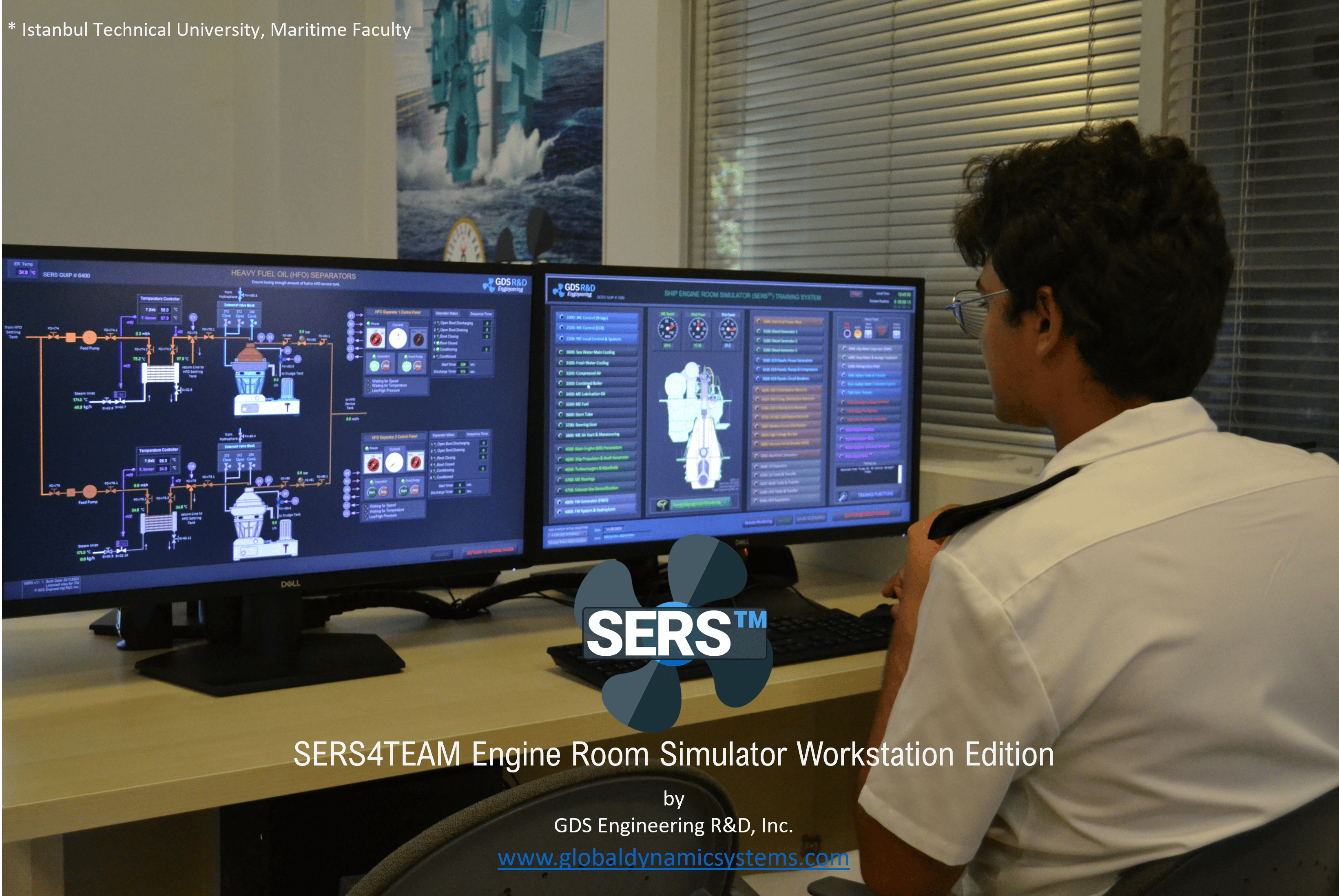
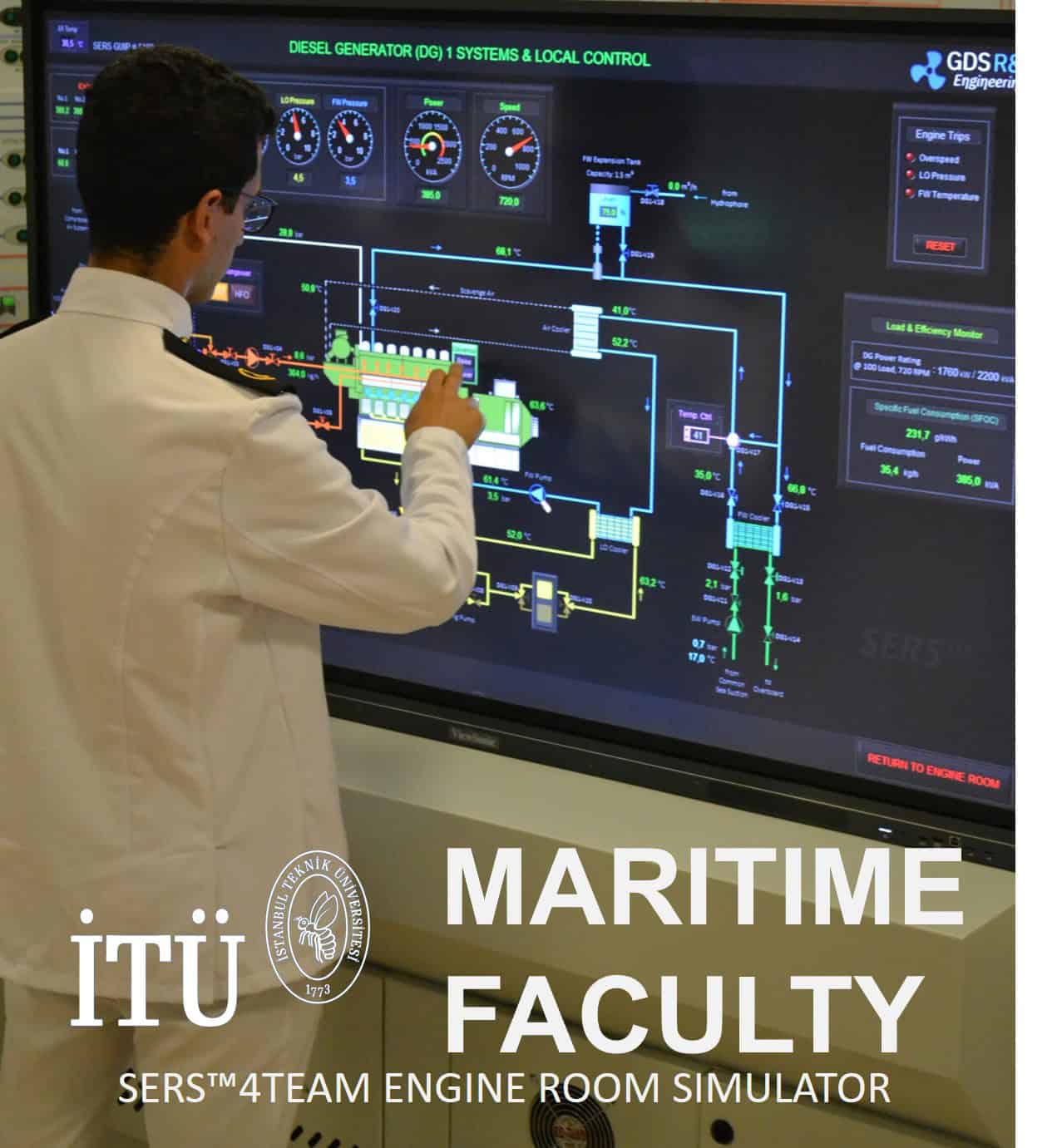
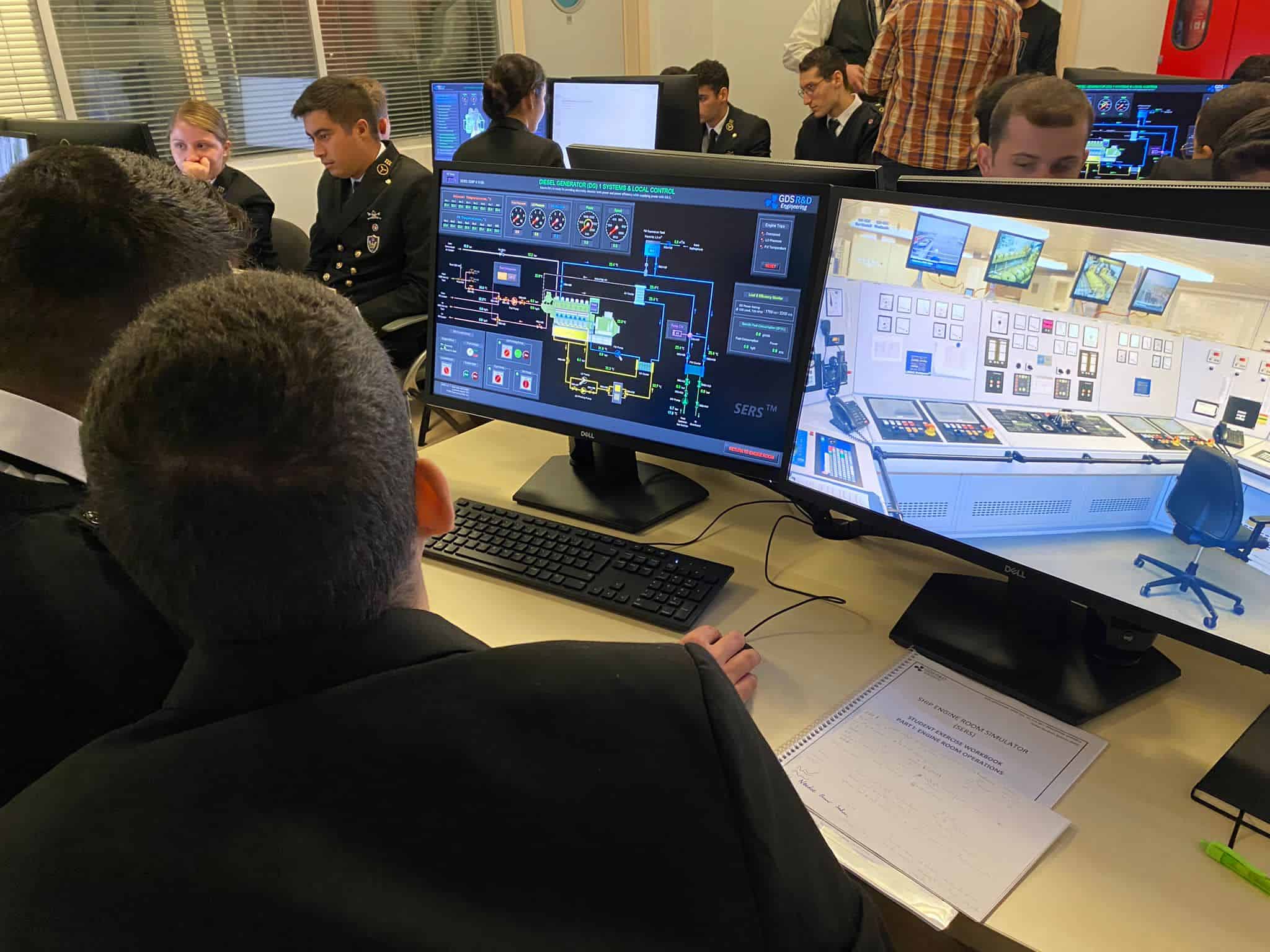
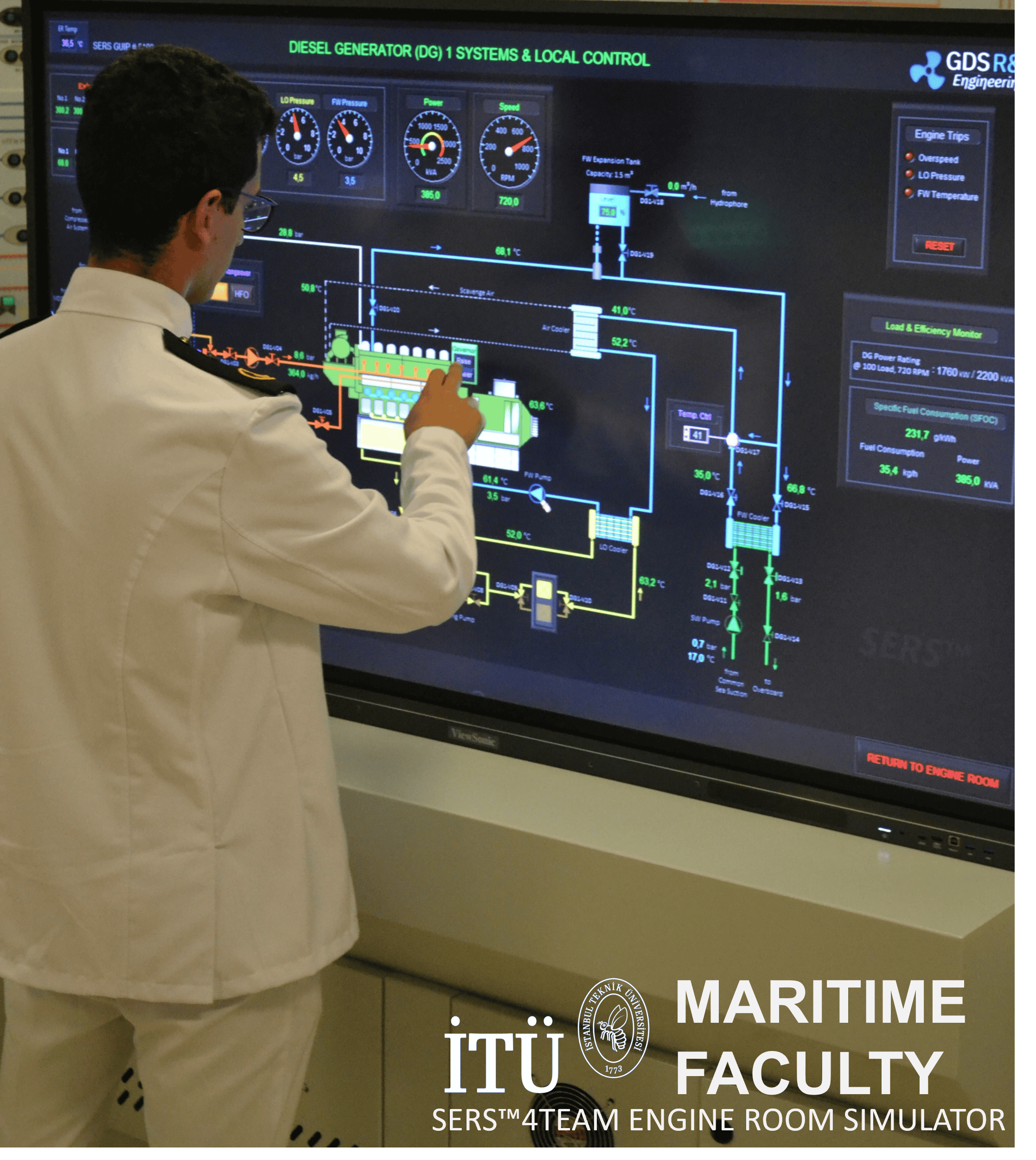
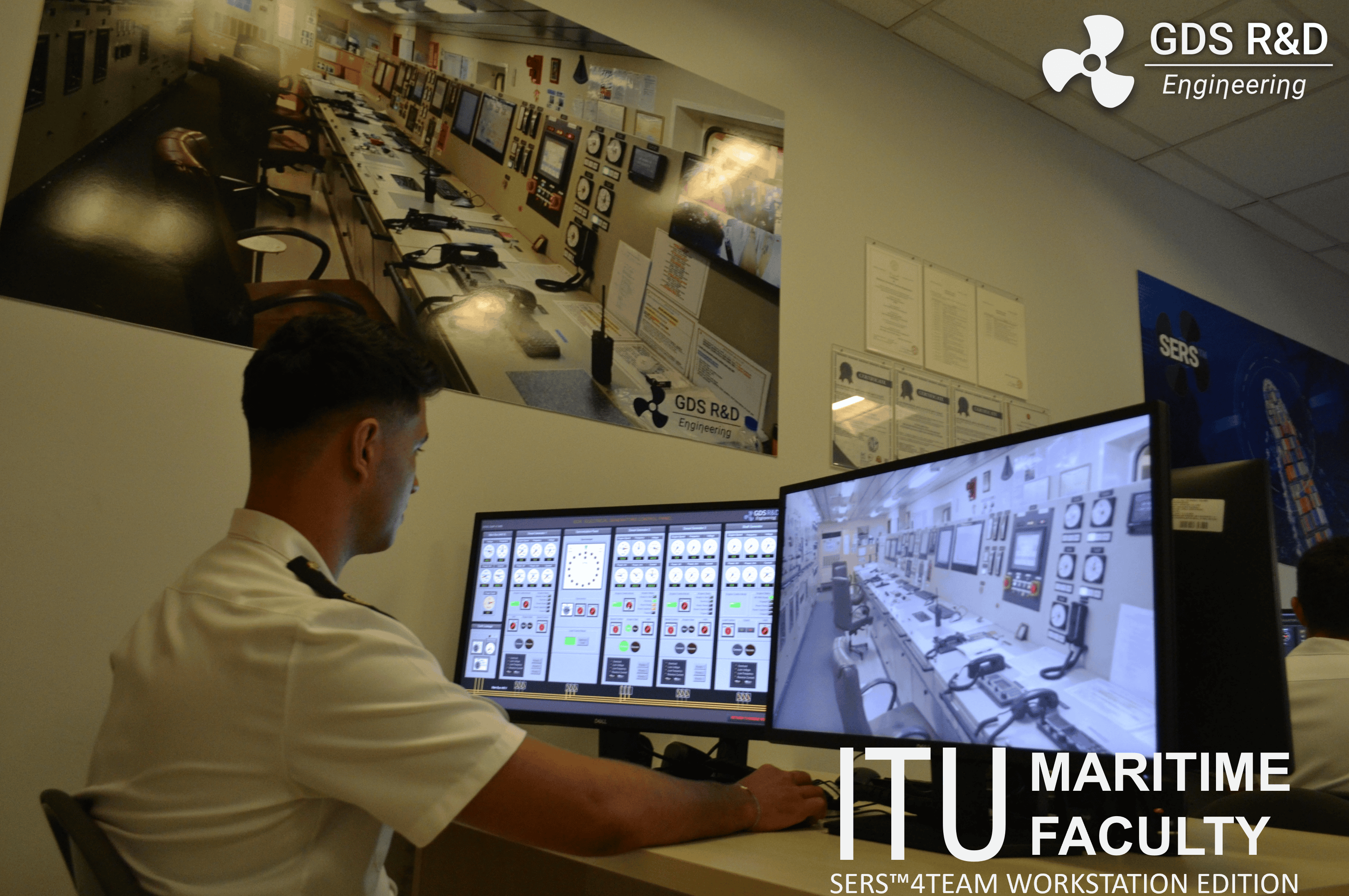
The GDS Ship Engine Room Simulator Team System (SERS™4Team) is a cutting-edge maritime simulation platform designed to enhance collaborative teamwork in the maritime industry. Specifically developed to meet the IMO STCW 2010 Standards for Training and Certification of Watchkeeping, including Model Course 2.07 (2017 Ed.), SERS™4Team provides comprehensive marine engineering training through an immersive full mission engine room simulator (ERS) environment.   SERS™4Team focuses on IMO Engine Room Resource Management principles, enabling trainees to develop critical skills in communication, decision-making, and task allocation within a realistic engine room setting. The system covers all aspects of engine room operations, from ship electrical systems to main propulsion, and offers training at both operational and management levels.   Furthermore, SERS™4Team facilitates in-depth assessment and evaluation of trainee performance, allowing instructors to identify strengths and weaknesses. Advanced tools for root-cause analysis and troubleshooting enable trainees to understand and learn from their mistakes, ultimately improving their technical skills and problem-solving abilities. By incorporating scenarios focused on energy efficiency, SERS™4Team promotes best practices for optimized fuel consumption and reduced environmental impact. This ensures that trainees are not only technically proficient but also environmentally responsible. Sources and related content

Why You Should Choose GDS SERS™ in Your SIRE 2.0 Training Program?

Choosing GDS SERS (Ship Engine Room Simulator) for your SIRE 2.0 training offers several compelling advantages that can significantly enhance the effectiveness of your training program and better prepare your crew for the challenges of the new inspection regime. Here's why: 

  • Realistic Engine Room Environment: SERS replicates a realistic engine room environment, complete with authentic equipment, controls, and systems. This immersive experience allows trainees to interact with the machinery and systems they will encounter onboard, fostering a deeper understanding of their operation and functionality. 
  • Real-Time Simulation: SERS simulates real-time engine room operations, including dynamic responses to changes in parameters, equipment malfunctions, and emergency situations. This dynamic simulation enables trainees to develop critical thinking and problem-solving skills in a safe and controlled environment. 

2. Comprehensive Training Coverage:

  • Technical Skills Development: SERS facilitates the development of essential technical skills required for safe and efficient engine room operations. Trainees can practice routine maintenance, troubleshooting, and emergency procedures, gaining confidence and proficiency in their roles.
  • Human Factors Integration: SERS integrates human factors principles into the training, allowing trainees to experience the impact of communication, teamwork, and decision-making in a simulated engine room environment. This helps them develop crucial non-technical skills essential for SIRE 2.0 compliance. 

3. Alignment with SIRE 2.0 Requirements:

  • Focus on Critical Operations: SERS training scenarios can be customized to focus on critical operations and systems emphasized in SIRE 2.0, such as cargo handling, mooring operations, and emergency response. This targeted training ensures trainees are well-prepared for the specific challenges of the new inspection regime. 
  • Human Factors Assessment: SERS allows for the assessment of human factors performance in a simulated environment, providing valuable insights into crew behavior and decision-making under pressure. This data can be used to identify areas for improvement and enhance crew performance in line with SIRE 2.0 expectations.

4. Cost-Effectiveness and Efficiency:

  • Reduced Operational Disruption: SERS training can be conducted without disrupting actual vessel operations, minimizing downtime and associated costs. Trainees can practice and develop their skills in a simulated environment without impacting real-world operations. 
  • Optimized Training Delivery: SERS offers flexible training delivery options, including online and on-site training, allowing for customized training programs that meet specific needs and schedules. This flexibility optimizes training efficiency and minimizes disruption to crew schedules.

5. Continuous Improvement and Performance Monitoring:

  • Performance Tracking and Analysis: SERS provides detailed performance tracking and analysis, allowing trainers to monitor trainee progress, identify areas for improvement, and provide targeted feedback. This data-driven approach ensures continuous improvement in training effectiveness and crew competency.
  • Adaptability to Future Requirements: SERS can be easily updated to incorporate new technologies, regulations, and industry best practices, ensuring your training program remains relevant and aligned with evolving SIRE requirements.

By choosing GDS SERS for your SIRE 2.0 training, you invest in a comprehensive and effective training solution that enhances crew competency, improves safety performance, and ensures compliance with the latest industry standards.

Future Sailors Protect the Marmara Sea with the MarBalast Project!

The “Raising Awareness on Marmara Sea Ballast and Bilge Pollution” project, supported by European Union Projects, draws attention to the environmental threats facing the Marmara Sea and aims to raise awareness among future sailors.
Environmental pollution caused by ballast and bilge water wastes originating from ships poses a serious threat to the Marmara Sea ecosystem. Although MARPOL and IMO Environmental Pollution rules aim to prevent this pollution, human factors and a lack of awareness can cause problems to continue.
At this point, the MarBalast Project was carried out under the consultancy of Assoc. Prof. Dr. Ismail Cicek aims to raise awareness through training for maritime students. Within the scope of the “Raising Awareness on Marmara Sea Ballast and Bilge Pollution” project, supported by European Union initiatives, highlights the environmental threats facing the Marmara Sea and aims to educate future sailors.
Pollution resulting from ship ballast and bilge water waste poses a significant threat to the Marmara Sea ecosystem. Although MARPOL and IMO environmental regulations are designed to prevent this pollution, human factors and a lack of awareness can lead to ongoing issues.
The MarBalast Project, guided by Assoc. Prof. Dr. Ismail Cicek seeks to raise awareness among maritime students through specialized training. As part of this project, the project team will organize conferences and workshops on maritime management and the importance of pollution prevention at various maritime faculties and high schools across Turkey.The project will last eight months and be executed by the Istanbul Technical University Maritime Technologies Club. Through the MarBalast Project, future sailors will learn about environmentally responsible maritime practices and contribute to protecting the Marmara Sea.
The main objectives of the project are:

  • To inform maritime students about the environmental damage caused by ships.
  • To emphasize the importance of adhering to international maritime regulations such as MARPOL and IMO.
  • To raise awareness aimed at minimizing environmental damage stemming from human activities.
  • To cultivate environmentally conscious generations of future sailors.

The MarBalast Project promises hope for the future of the Marmara Sea!

SERS™4Team Optimizing the Engine Room Simulator Configurations using GDS SERS™. The GDS Ship Engine Room Simulator Team System (SERS™4Team) is a cutting-edge maritime simulation platform designed to enhance collaborative teamwork in the maritime industry. Specifically developed to meet the IMO STCW 2010 Standards for Training and Certification of Watchkeeping, including Model Course 2.07 (2017 Ed.), SERS™4Team provides comprehensive marine engineering training through an immersive full mission engine room simulator (ERS) environment.   SERS™4Team focuses on IMO Engine Room Resource Management principles, enabling trainees to develop critical skills in communication, decision-making, and task allocation within a realistic engine room setting. The system covers all aspects of engine room operations, from ship electrical systems to main propulsion, and offers training at both operational and management levels.   Furthermore, SERS™4Team facilitates in-depth assessment and evaluation of trainee performance, allowing instructors to identify strengths and weaknesses. Advanced tools for root-cause analysis and troubleshooting enable trainees to understand and learn from their mistakes, ultimately improving their technical skills and problem-solving abilities. By incorporating scenarios focused on energy efficiency, SERS™4Team promotes best practices for optimized fuel consumption and reduced environmental impact. This ensures that trainees are not only technically proficient but also environmentally responsible. Sources and related content

Optimizing Maritime Engineering Training: A Deep Dive into the SERS™4Team Simulator

Our new paper about SERS™ and ERM Training has been published in the Proceedings of IMLA 29.

Paper Reference Information (APA):

Ismail Cicek and Burak Cavusoglu (2024). An Optimized Ship Engine Room Simulator Configuration for Effective Engine Room Resource Management Training. Proceedings of the International Maritime Lecturers Association (IMLA) Conference. Pages 36-50. Conference held on September 25-28, Istanbul, Turkey.

Download our Paper in PDF File:

CavusogluCicek-An-Optimize-Shipr-Engine-Room-Simulator-Configuration-for-ERM-training

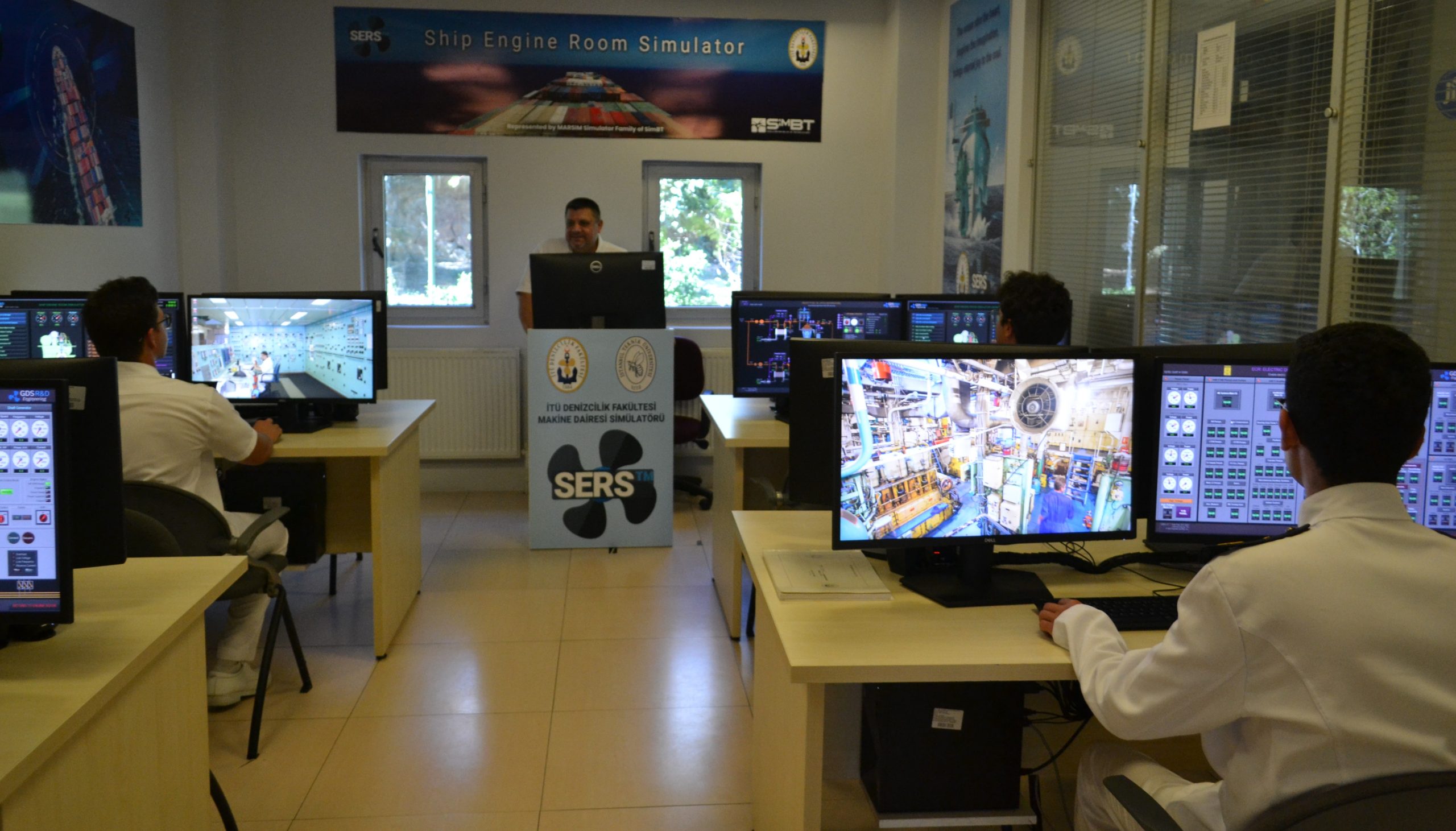
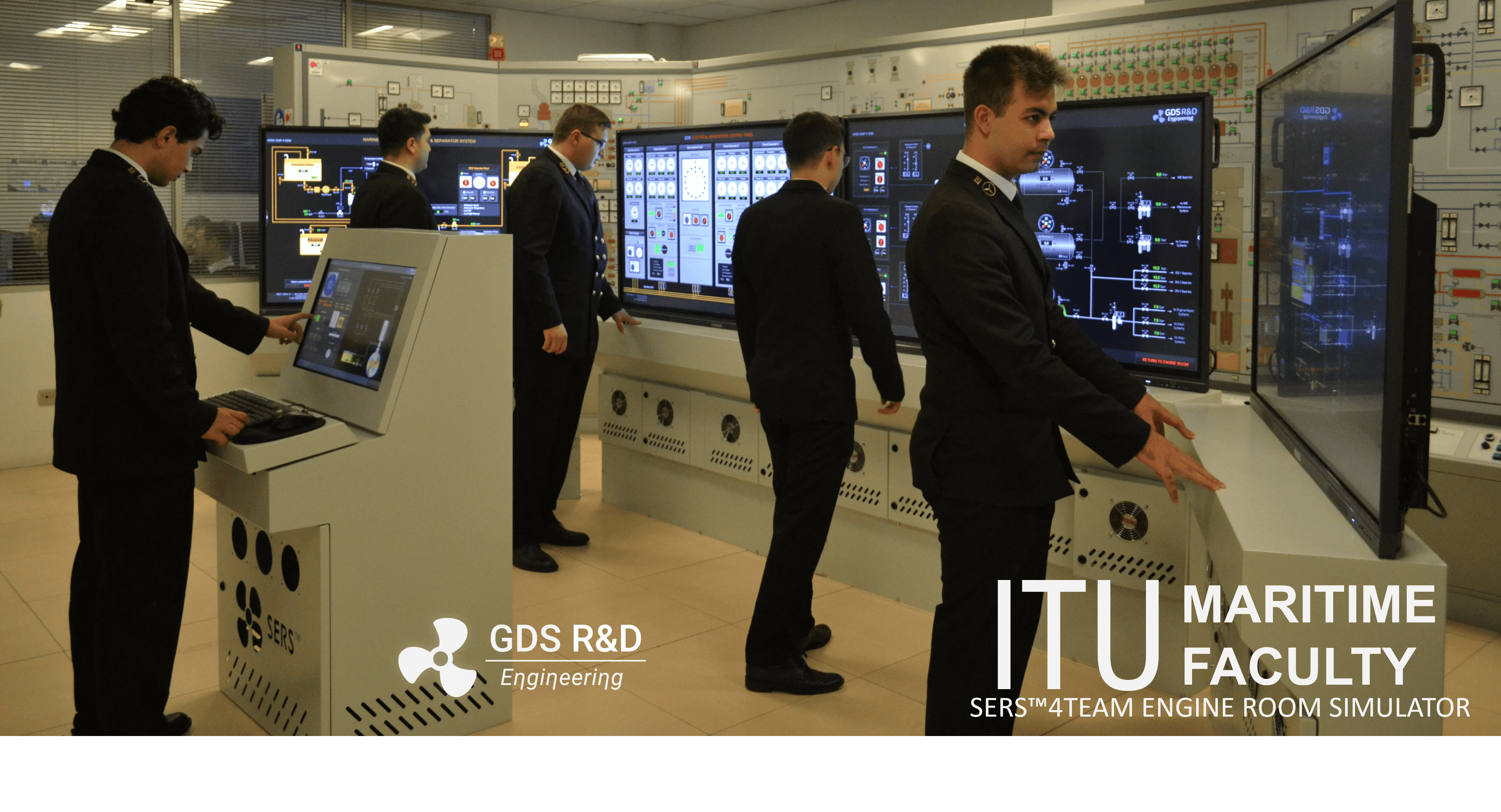
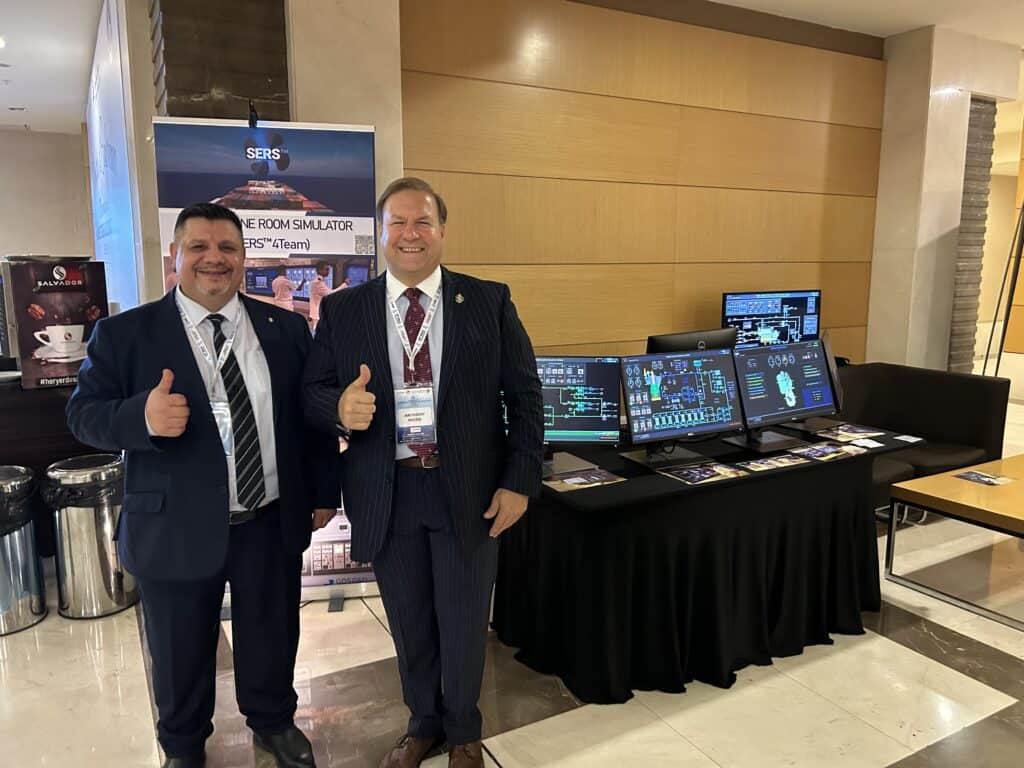
As part of the IMLA 2024 Conference, the new engine room simulator, called Ship Engine Room Simulator (SERS™) 4Team, SERS™4Team, has been demonstrated by Istanbul Technical University.

There was a great interest in the SERS™4Team demonstrations at the GDS booth and demonstrations at the Istanbul Technical University.

There was a great interest in the SERS™4Team demonstrations at the GDS booth and demonstrations at the Istanbul Technical University.

Optimizing Maritime Engineering Training: A Deep Dive into the SERS™4Team Simulator

The International Maritime Lecturers’ Association (IMLA) 2024 Conference provided a compelling platform for showcasing advancements in maritime education and training. Among the highlights was the demonstration of Istanbul Technical University’s latest innovation: the Ship Engine Room Simulator (SERS™) 4Team. This cutting-edge simulator offers a significant leap forward in training maritime engineers, addressing critical challenges and aligning with contemporary industry standards.

The SERS™ 4Team distinguishes itself through its robust capabilities for both research and training, focusing on engine performance management within a collaborative teamwork environment. This emphasis on collaborative teamwork is crucial, reflecting the complex and interdependent nature of modern ship engine rooms. The simulator facilitates training in a full mission training configuration, allowing multiple trainees to interact within a virtual engine room environment, mirroring real-world operational dynamics. This approach directly addresses the need for effective communication, coordination, and shared decision-making in critical situations.

A key strength of the SERS™ 4Team lies in its ability to simulate a wide array of scenarios, including those with potentially catastrophic consequences. Notably, the simulator can recreate events leading to a blackout of the ship, a scenario of paramount concern in maritime safety. By allowing trainees to experience and respond to such high-stakes situations in a controlled environment, the SERS™ 4Team fosters crucial decision-making skills and enhances preparedness for real-world emergencies. This focus on critical scenarios directly supports the development of competencies outlined in the IMO STCW 2010 Convention, ensuring that trainees are equipped to handle complex and challenging operational conditions.

Furthermore, the SERS™ 4Team is designed with cost-effectiveness in mind. By providing a virtual training environment, the simulator reduces the reliance on expensive and potentially hazardous onboard training, offering a more sustainable and accessible approach to maritime education. This cost-effectiveness does not compromise the quality of training; on the contrary, the simulator offers a controlled and repeatable learning experience, allowing trainees to practice complex procedures and respond to critical scenarios multiple times, enhancing their understanding and proficiency.

The simulator’s design explicitly incorporates exercises and scenarios derived from the IMO Model Course 2.07, ensuring that training aligns with internationally recognized standards for marine engineering education. This alignment underscores the simulator’s commitment to delivering high-quality, standardized training that meets the evolving demands of the maritime industry. By integrating the principles of Collaborative Teamwork within a Full Mission Training Configuration, and by addressing critical scenarios such as ship blackouts, the SERS™ 4Team offers a powerful tool for optimizing maritime engineering training and enhancing maritime safety, fully supporting the development of IMO STCW 2010 Competencies. This innovative approach to training promises to significantly contribute to the development of competent and resilient maritime engineers.

Engine Room Simulator (ERS), Marine Engineering Training, Maritime Simulation, IMO STCW 2010 Standards for Training and Certification of Watchkeeping, Model Course 2.07 (2017 Ed.), Ship Electrical Systems, Full Mission, Assessment, Evaluation, Root-Cause Analysis, Troubleshooting, Performance, Operational Level, Management Level, Energy Efficiency, Online Training
Training on MIL-STD-810H Environmental Testing of Products, provided by GDS Engineering R&D, Systems Engineering Products and Solutions Online Training on MIL-STD-810H, RTCA-DO-160, MIL-STD-461G, MIL-STD-704 Environmental Testing of Products, provided by GDS Engineering R&D, Systems Engineering Products and Solutions. Training Led by a Live US-based Sr. Instructor: Dr. Ismail Cicek. Product Verification and Validation Courses for Integrated Systems. C-17 Military Aicraft. FAA/EASA. US DoD. Safety First. US Army. US Air Force and US Navy Tailoring Examples for Mission and Environmental Profile. Setting Test Limits and Durations are Explained. How to evaluate test results and mitigate the risk (Risk Assessment Matrix). Aircafft Equipment, Devices, Plugs, Machinary, Engines, Compressors, or Carry-on. European CE Time Schedule. FAA Requirements Management. Efficient way of learning. Continues Education. Class Material.

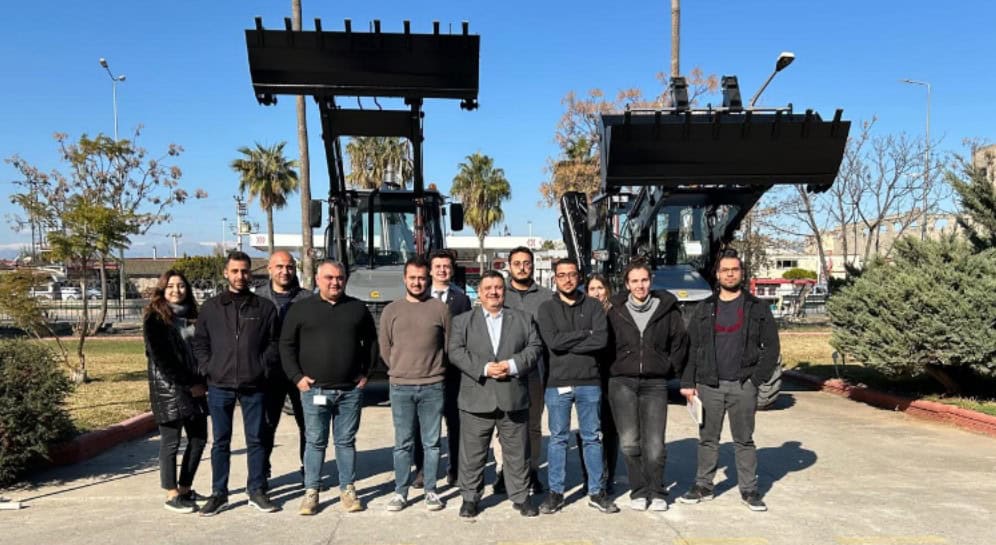
Completed the Face-to-Face MIL-STD-810H Training at Cukurova Makina

GDS Institute completed an in-class MIL-STD-810H Training session for CUKUROVA MAKINA (Tarsus7Mersin) personnel in September 2024, enhancing their understanding of the standard’s crucial methodologies. This training is essential in environmental testing, ensuring systems and equipment's reliability, durability, and safety under demanding conditions, particularly for military and aerospace applications.

MIL-STD-810H Training: A Necessity for Robust Design

GDS Engineering R&D, Inc. provides comprehensive training on MIL-STD-810H, a critical standard for ensuring the environmental durability and reliability of military and commercial systems. This standard defines testing procedures that simulate various environmental conditions, including extreme temperatures, humidity, shock, and vibration.

GDS's training program equips engineers and technicians with the knowledge and skills to apply MIL-STD-810H effectively. Participants gain a deep understanding of the standard's methodologies, including developing Life Cycle Environmental Profiles (LCEPs) and tailoring test procedures to specific operational requirements. The training covers all major environmental factors the standard addresses, focusing on practical application and test design.   

By attending GDS's MIL-STD-810H training, professionals can enhance their ability to design, develop, and test systems that can withstand the rigors of real-world deployment. This leads to improved product reliability, reduced risk of failure, and increased customer satisfaction. Furthermore, the training helps organizations meet their contractual obligations and regulatory requirements related to environmental testing.   

GDS Engineering R&D, Inc.'s MIL-STD-810H training is a valuable resource for any organization designing, developing, or testing systems for harsh environments. It empowers professionals to implement robust testing programs that ensure product durability and performance, contributing to mission success and overall operational effectiveness.

Training on MIL-STD-810H Environmental Testing of Products, provided by GDS Engineering R&D, Systems Engineering Products and Solutions  Online Training on MIL-STD-810H, RTCA-DO-160, MIL-STD-461G, MIL-STD-704 Environmental Testing of Products, provided by GDS Engineering R&D, Systems Engineering Products and Solutions. Training Led by a Live US-based Sr. Instructor: Dr. Ismail Cicek. Product Verification and Validation Courses for Integrated Systems. C-17 Military Aicraft. FAA/EASA. US DoD. Safety First. US Army. US Air Force and US Navy Tailoring Examples for Mission and Environmental Profile. Setting Test Limits and Durations are Explained. How to evaluate test results and mitigate the risk (Risk Assessment Matrix). Aircafft Equipment, Devices, Plugs, Machinary, Engines, Compressors, or Carry-on. European CE Time Schedule. FAA Requirements Management. Efficient way of learning. Continues Education. Class Material.
Technical Proficiency: The GDS simulator helps personnel develop advanced skills in troubleshooting and maintaining complex machinery, which is crucial for achieving SIRE 2.0’s standards for operational excellence. Environmental Compliance: With a growing emphasis on environmental regulations, the simulator enables crew members to familiarize themselves with compliance standards and practice procedures that reduce environmental impact, such as optimizing fuel usage and managing waste effectively. Safety Protocols: Through realistic training scenarios, the simulator reinforces safety protocols, ensuring that personnel can identify and mitigate risks, which is a core component of the SIRE 2.0 inspection program.

SIRE 2.0 Training and GDS SERS™

The Importance of SIRE 2.0 and GDS Ship Engine Room Simulator in Developing Advanced Skills for Onboard Maritime Personnel

The maritime industry has significantly pushed towards technological advancement and stricter safety and operational standards in recent years. As vessels become more sophisticated and regulations evolve, the role of well-trained onboard maritime personnel becomes increasingly essential. In this context, the SIRE 2.0 program and GDS Ship Engine Room Simulator represent pioneering tools designed to equip maritime crews with deep technical skills necessary to meet new demands and improve the safety and efficiency of maritime operations. These tools provide a more immersive and practical learning experience, allowing crew members to understand ship operations and emergency procedures better, thereby enhancing their ability to respond effectively in real-world situations.

Understanding SIRE 2.0 and Its Impact on Maritime Training

A Team That Loves to Create

The Ship Inspection Report Program (SIRE) has long been a fundamental tool in maintaining safety and operational standards across the maritime industry, particularly for tanker operations. Launched by the Oil Companies International Marine Forum (OCIMF), the program provides a comprehensive inspection system that evaluates the condition and operations of vessels. However, with the growing complexity of modern ships and stricter environmental and safety regulations, the traditional SIRE program required enhancements to address these evolving needs. This led to the development of SIRE 2.0, an upgraded version that integrates data-centric inspection methodologies with a stronger focus on crew competency, operational excellence, and technical skills.

One of SIRE 2.0's key features is its focus on assessing crew members' competency in handling complex equipment and operations. Rather than focusing solely on vessel conditions, SIRE 2.0 evaluates the practical skills, knowledge, and decision-making abilities of onboard personnel. This ensures that crew members are familiar with equipment and operational standards and capable of responding effectively to critical situations.

The emphasis on crew competency in SIRE 2.0 aligns with the industry’s shift toward a human-centered approach to safety and operational excellence. This paradigm shift means that training programs must go beyond traditional instruction and delve into more practical, technology-driven skills, where simulators like the GDS Ship Engine Room Simulator come into play.

The Role of the GDS Ship Engine Room Simulator in Skill Development

Keep It Simple

The GDS Ship Engine Room Simulator is an advanced training tool that replicates the engine room environment of modern vessels, providing maritime personnel with hands-on experience in a controlled setting. This simulator covers many critical systems in ship engine rooms, including propulsion, auxiliary machinery, electrical systems, and emergency protocols. By using the simulator, crew members can practice their skills, refine their decision-making processes, and gain confidence in handling complex systems without the risks associated with real-world errors.

The simulator allows trainees to engage in realistic scenarios, such as equipment failures, power management issues, and environmental challenges. This training is invaluable in helping them develop deep technical skills needed to respond effectively under pressure. Given the increasing complexity of ship machinery, which often integrates digital and automated controls, such simulator-based training ensures that personnel are well-prepared for routine and emergency operations.

Developing Deep Technical Skills with SIRE 2.0 and the GDS Simulator

By integrating SIRE 2.0’s competency standards with the practical capabilities of the GDS Ship Engine Room Simulator, maritime training institutions can foster deep tech skills that are essential in today’s high-stakes maritime environment. Training programs using these tools can address various aspects, including:

  1. Operational Readiness: By simulating real-life engine room conditions, the GDS simulator enables personnel to understand systems and processes intuitively, aligning with SIRE 2.0’s focus on crew readiness and situational awareness.
  2. Crisis Management and Decision-Making: The simulator provides scenarios that replicate emergencies, allowing trainees to practice crisis response, prioritize actions, and make critical decisions under pressure.
  3. Technical Proficiency: The GDS simulator helps personnel develop advanced skills in troubleshooting and maintaining complex machinery, which is crucial for achieving SIRE 2.0’s standards for operational excellence.
  4. Environmental Compliance: With a growing emphasis on environmental regulations, the simulator enables crew members to familiarize themselves with compliance standards and practice procedures that reduce environmental impact, such as optimizing fuel usage and managing waste effectively. The SIRE 2.0 program also plays a crucial role in this aspect, as it evaluates a vessel’s environmental management systems and crew’s awareness of environmental issues, ensuring that the vessel operates in a safe and environmentally responsible manner.
  5. Safety Protocols: The simulator reinforces safety protocols through realistic training scenarios, ensuring that personnel can identify and mitigate risks, a core SIRE 2.0 inspection program component. The SIRE 2.0 program, focusing on crew competency and operational excellence, further enhances safety by ensuring that crew members are well-trained and capable of handling emergencies effectively, thereby reducing the risk of accidents and ensuring the safety of the vessel and its crew.
SIRE 2.0 Training, Engine Room Simulator (ERS), Ship Engine Room Simulator (SERS) Marine Engineering Training, Maritime Simulation, IMO STCW 2010 Standards for Training and Certification of Watchkeeping, Model Course 2.07 (2017 Ed.), Ship Electrical Systems, Full Mission, Assessment, Evaluation, Root-Cause Analysis, Troubleshooting, Performance, Operational Level, Management Level, Energy Efficiency, Online Training

Enhancing the Future of Maritime Training

Training methodologies must evolve accordingly as the maritime industry continues to advance technologically. SIRE 2.0 and the GDS Ship Engine Room Simulator represent a forward-thinking approach to maritime training that emphasizes deep technical skills, operational competence, and environmental awareness. By embedding these elements into their training programs, maritime institutions can ensure that their personnel are qualified to operate today’s vessels and prepared to meet the challenges of tomorrow’s maritime landscape.

In summary, the combination of SIRE 2.0 standards and the immersive experience of the GDS Ship Engine Room Simulator is a critical step forward for maritime training. Using SERS in SIRE 2.0 training provides a more skilled, adaptable workforce better equipped to operate in a complex, evolving industry, ultimately enhancing global maritime operations’ safety, efficiency, and environmental responsibility.