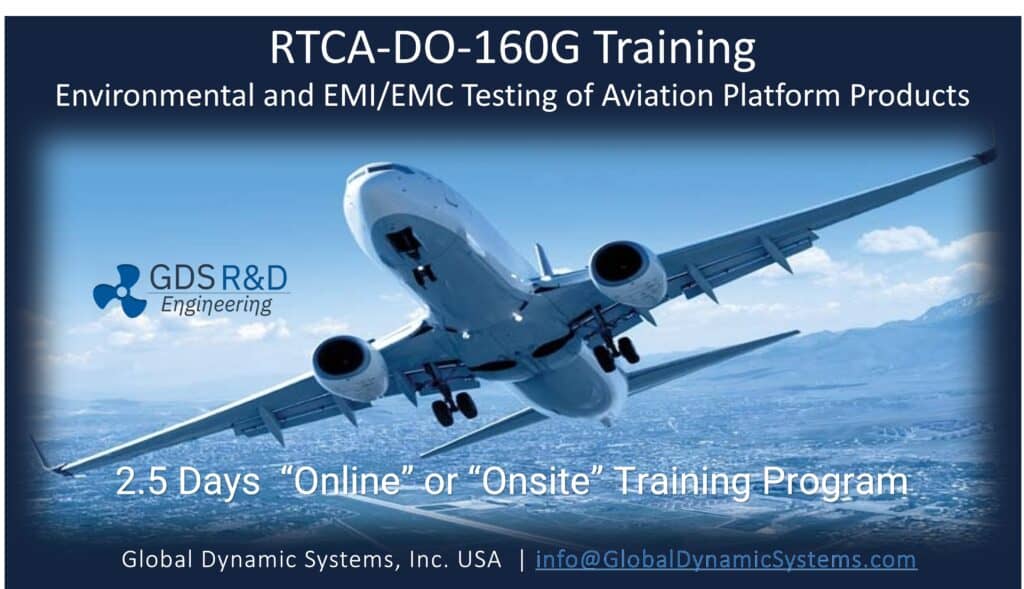
GDS provides RTCA-DO-160G online training, online or onsite.

RTCA-DO-160G: Environmental and EMI/EMC Testing of Airborne Equipment Training

July 29 @ 8:30 am July 31 @ 12:30 pm UTC+2

DO160 Training. GDS provides RTCA-DO-160G online training, online or onsite. FAA/EASA Test Requirements. Systems Engineering Training Programs

Time Schedule: Central European Time (CET, UTC+1)

International Training with a focus on the test standard document
“RTCA-DO-160G Environmental Conditions
and Test Procedures for Airborne Equipment
© 2010, RTCA, Inc.”

This training is an important step for
testing and certifying your products in accordance with the FAA/EASA test requirements.
GDS Engineering R&D, Inc. is an official member of RTCA Organization.

GDS Engineering R&D, Inc. is an official member of the RTCA Organization.

RTCA-DO-160G Online Training, FAA/EASA Equipment Test Requirements. This training is an important step for testing and certifying your products in accordance with the FAA/EASA test requirements.

Our Instructors share their experience and knowledge gained by working long years in the field with designing products and performing tests in accordance with such as RTCA-DO-160, MIL-STD-810, and MIL-STD-461. The slides are supported by many graphics and test videos for the efficiency and clarity of the information and each session is planned in accordance with the sections in RTCA-DO-160G.

Training Plan

  • Training Type: International / Online
  • Satus: Seats are avaiable.
  • Online training using ZOOM.
  • Led by a live, US-based instructor (Dr Ismail Cicek)
  • 2.5 days of training schedule is as follows:
    • Day 1: 08:30 – 11:30 | 12:30 – 16:30
    • Day 2: 08:30 – 11:30 | 12:30 – 16:30
    • Day 3: 08:30 – 12:00
    • Time zone: Central European Time (CET) (UTC+1)
  • Ending time may vary +/-30 minutes depending on the length of the discussions.
  • Course Material: English (US), including presentations and additional reference material.
  • Communications Language: English (US)
  • Material: Registration includes all presentations and additional material (English) shared before the class.
  • Attandance: The link for online class is distributed to registered trainees upon registration.
  • Trainees will receive a Training Certificate.
  • Training includes knowledge check quizzes, a competition-type fun way of learning

Summary Information

  • A good understanding of product testing in view of RTCA-DO-160G
  • Overview of Systems Engineering, V&V, and Concepts of Operations (CONOPS) document and relations with RTCA-DO-160 testing
  • Part 21 and FAA/EASA Regulations
  • Test Requirement Reference
  • Test Category Selections
  • Test Procedures, Scheduling, Test Implementation and Review of Test Reports
  • Test Sections (Environmental & EMI/EMC): All test sections are covered with detail discussions except several tests, such as Fungus Tesing and Waterproofness are discussed in summary with important aspects.
  • Discussions include design issues, test failures, and recommendations
  • A session with Risk Management Method includes how to resolve a test result that may not be a failure, i.e. anomalies., with a process that we recommend.
  • Importance of establishing Integrated Product Team (IPT) or with another name “Test Review Team” for reviewing test plans and results and identifying the next step when issues are encountered.
  • Design Recommendations are emphasized in each test section.
  • Additional or alternative (standards and tests) are recommended for certain cases.

About the Instructors

The main instructor of the training is Dr Ismail Cicek. He gained engineering and leadership experience by working for 15 years. He led the development of various platform engineering systems, including C-5, C-17, KC-10, KC-135, and C-130 E/H/J.  Dr. Cicek’s experience includes unmanned aerial vehicle development where he utilized the Geographical Information Systems (GIS) and Malfunction Data Recorder Analysis Recorder System (MADARS) development for military transport aircraft. An Avionics Chief Engineer (EE)and a Certified Verification Engineer (FAA/EASA) also assist with the training. Our experienced test personnel also become available for demonstrations and discussions. A Certified Verification Engineer (CVE) in FAA/EASA with 18 years of experience. He has worked as the chief engineer of avionics systems in product development. He is also experienced in product testing per environmental and EMI/EMC standards and FAA/EASA certification processes.

Dr Cicek worked as the Principle Investigator and became a Subject Matter Expert (SME) at the US Air Force Aeromedical Test Lab (WPAFB/OH) for certifying the products to the US Air Force Platform Requirements. He also developed Joint Enroute Care Equipment Test Standard (JECETS) in close work with US Army Test Lab engineers and managers.

Click here to read more about Dr Cicek’s professional studies. Connect with Dr Ismail Cicek on the Linkedin page.

Registration

We provide both face-to-face and online training programs. For registration to a course or custom training requests for your organization, please get in touch with us.

To secure your spot in our training class, please send an email including your full name, your affiliated organization, contact information, and the name and date of the training you wish to attend. We look forward to having you!

US Offices:GDS Global Office (EU/TR):
Dayton, OH. | Mountainview, CA
Ph. +1 (937) 912-1220
ITU ARI Teknokent | GTU Teknopark
Ph. +90 546 934 95 99
Email:  info@GlobalDynamicSystems.com
www.GlobalDynamicSystems.com

More Information and Contents of the Training

Click to read all the details about this training.

$1450 /1 person enrollment

GDS Training Institute (US)

+1 937 912-1220

View Organizer Website

Online Training via ZOOM

ZOOM Link and Training Material will be shared with the registrants
View Venue Website

Technical Proficiency: The GDS simulator helps personnel develop advanced skills in troubleshooting and maintaining complex machinery, which is crucial for achieving SIRE 2.0’s standards for operational excellence. Environmental Compliance: With a growing emphasis on environmental regulations, the simulator enables crew members to familiarize themselves with compliance standards and practice procedures that reduce environmental impact, such as optimizing fuel usage and managing waste effectively. Safety Protocols: Through realistic training scenarios, the simulator reinforces safety protocols, ensuring that personnel can identify and mitigate risks, which is a core component of the SIRE 2.0 inspection program.

SIRE 2.0 Training and GDS SERS™

The Importance of SIRE 2.0 and GDS Ship Engine Room Simulator in Developing Advanced Skills for Onboard Maritime Personnel

The maritime industry has significantly pushed towards technological advancement and stricter safety and operational standards in recent years. As vessels become more sophisticated and regulations evolve, the role of well-trained onboard maritime personnel becomes increasingly essential. In this context, the SIRE 2.0 program and GDS Ship Engine Room Simulator represent pioneering tools designed to equip maritime crews with deep technical skills necessary to meet new demands and improve the safety and efficiency of maritime operations. These tools provide a more immersive and practical learning experience, allowing crew members to understand ship operations and emergency procedures better, thereby enhancing their ability to respond effectively in real-world situations.

Understanding SIRE 2.0 and Its Impact on Maritime Training

A Team That Loves to Create

The Ship Inspection Report Program (SIRE) has long been a fundamental tool in maintaining safety and operational standards across the maritime industry, particularly for tanker operations. Launched by the Oil Companies International Marine Forum (OCIMF), the program provides a comprehensive inspection system that evaluates the condition and operations of vessels. However, with the growing complexity of modern ships and stricter environmental and safety regulations, the traditional SIRE program required enhancements to address these evolving needs. This led to the development of SIRE 2.0, an upgraded version that integrates data-centric inspection methodologies with a stronger focus on crew competency, operational excellence, and technical skills.

One of SIRE 2.0's key features is its focus on assessing crew members' competency in handling complex equipment and operations. Rather than focusing solely on vessel conditions, SIRE 2.0 evaluates the practical skills, knowledge, and decision-making abilities of onboard personnel. This ensures that crew members are familiar with equipment and operational standards and capable of responding effectively to critical situations.

The emphasis on crew competency in SIRE 2.0 aligns with the industry’s shift toward a human-centered approach to safety and operational excellence. This paradigm shift means that training programs must go beyond traditional instruction and delve into more practical, technology-driven skills, where simulators like the GDS Ship Engine Room Simulator come into play.

The Role of the GDS Ship Engine Room Simulator in Skill Development

Keep It Simple

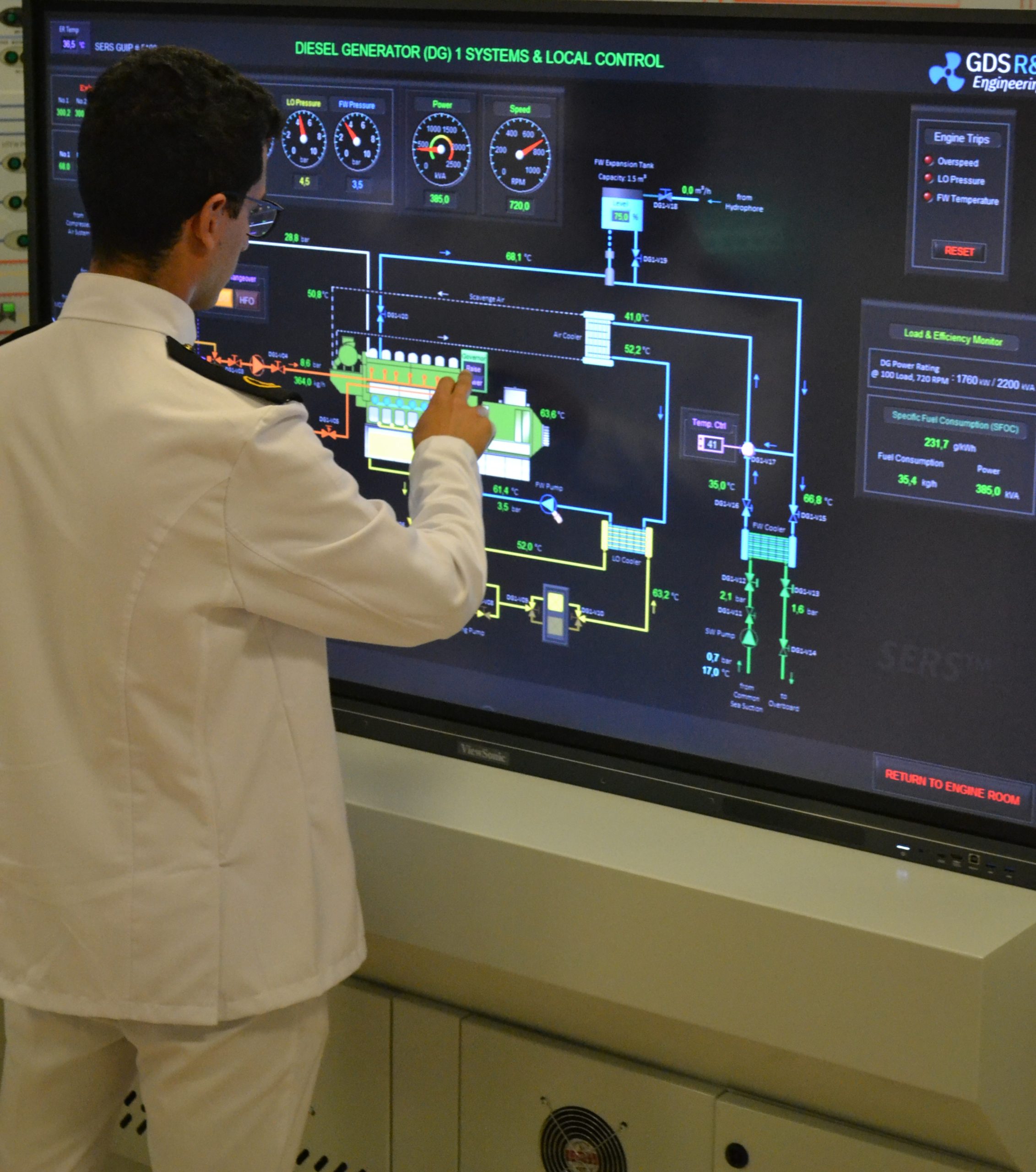
The GDS Ship Engine Room Simulator is an advanced training tool that replicates the engine room environment of modern vessels, providing maritime personnel with hands-on experience in a controlled setting. This simulator covers many critical systems in ship engine rooms, including propulsion, auxiliary machinery, electrical systems, and emergency protocols. By using the simulator, crew members can practice their skills, refine their decision-making processes, and gain confidence in handling complex systems without the risks associated with real-world errors.

The simulator allows trainees to engage in realistic scenarios, such as equipment failures, power management issues, and environmental challenges. This training is invaluable in helping them develop deep technical skills needed to respond effectively under pressure. Given the increasing complexity of ship machinery, which often integrates digital and automated controls, such simulator-based training ensures that personnel are well-prepared for routine and emergency operations.

Developing Deep Technical Skills with SIRE 2.0 and the GDS Simulator

By integrating SIRE 2.0’s competency standards with the practical capabilities of the GDS Ship Engine Room Simulator, maritime training institutions can foster deep tech skills that are essential in today’s high-stakes maritime environment. Training programs using these tools can address various aspects, including:

  1. Operational Readiness: By simulating real-life engine room conditions, the GDS simulator enables personnel to understand systems and processes intuitively, aligning with SIRE 2.0’s focus on crew readiness and situational awareness.
  2. Crisis Management and Decision-Making: The simulator provides scenarios that replicate emergencies, allowing trainees to practice crisis response, prioritize actions, and make critical decisions under pressure.
  3. Technical Proficiency: The GDS simulator helps personnel develop advanced skills in troubleshooting and maintaining complex machinery, which is crucial for achieving SIRE 2.0’s standards for operational excellence.
  4. Environmental Compliance: With a growing emphasis on environmental regulations, the simulator enables crew members to familiarize themselves with compliance standards and practice procedures that reduce environmental impact, such as optimizing fuel usage and managing waste effectively. The SIRE 2.0 program also plays a crucial role in this aspect, as it evaluates a vessel’s environmental management systems and crew’s awareness of environmental issues, ensuring that the vessel operates in a safe and environmentally responsible manner.
  5. Safety Protocols: The simulator reinforces safety protocols through realistic training scenarios, ensuring that personnel can identify and mitigate risks, a core SIRE 2.0 inspection program component. The SIRE 2.0 program, focusing on crew competency and operational excellence, further enhances safety by ensuring that crew members are well-trained and capable of handling emergencies effectively, thereby reducing the risk of accidents and ensuring the safety of the vessel and its crew.
SIRE 2.0 Training, Engine Room Simulator (ERS), Ship Engine Room Simulator (SERS) Marine Engineering Training, Maritime Simulation, IMO STCW 2010 Standards for Training and Certification of Watchkeeping, Model Course 2.07 (2017 Ed.), Ship Electrical Systems, Full Mission, Assessment, Evaluation, Root-Cause Analysis, Troubleshooting, Performance, Operational Level, Management Level, Energy Efficiency, Online Training

Enhancing the Future of Maritime Training

Training methodologies must evolve accordingly as the maritime industry continues to advance technologically. SIRE 2.0 and the GDS Ship Engine Room Simulator represent a forward-thinking approach to maritime training that emphasizes deep technical skills, operational competence, and environmental awareness. By embedding these elements into their training programs, maritime institutions can ensure that their personnel are qualified to operate today’s vessels and prepared to meet the challenges of tomorrow’s maritime landscape.

In summary, the combination of SIRE 2.0 standards and the immersive experience of the GDS Ship Engine Room Simulator is a critical step forward for maritime training. Using SERS in SIRE 2.0 training provides a more skilled, adaptable workforce better equipped to operate in a complex, evolving industry, ultimately enhancing global maritime operations’ safety, efficiency, and environmental responsibility.

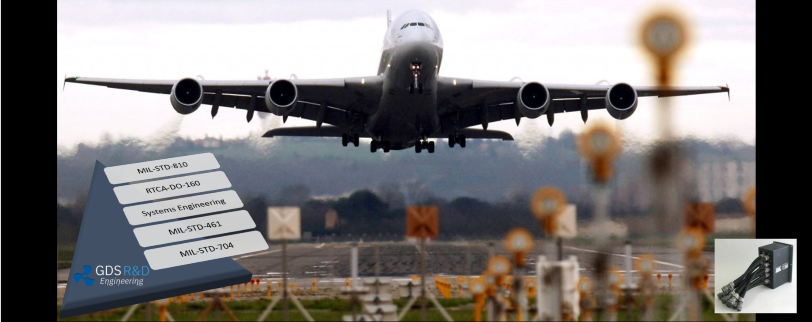
The field of environmental and electromagnetic testing is critical in ensuring the reliability, durability, and safety of systems and equipment in demanding conditions, especially for military and aerospace applications. The MIL-STD-810H standard, which outlines environmental testing processes, plays a key role in testing the resilience of avionics systems to environmental effects. MIL-STD-810H Training and Tailoring Methodology for MIL-STD-810 offer a comprehensive understanding of how to adapt tests for specific project needs, a process known as "tailoring." This ensures that tests simulate real-life conditions, making them more relevant and cost-effective. For engineers and project managers responsible for military platforms such as Askeri Gemi (military ships) or other Military Platforms, training in MIL-STD-810H is essential to grasp the methodologies for environmental testing and the Life Cycle Environmental Profile (LCEP). Understanding the Mission Profile is equally vital, as it outlines the expected operating conditions a system will encounter, forming the basis for relevant environmental tests. Alongside environmental testing, electromagnetic interference (EMI) and electromagnetic compatibility (EMC) are critical to ensuring that systems can operate without unwanted interference. Training on MIL-STD-461G and MIL-STD-464D Platform Requirements provides crucial insights into EMI/EMC standards for military and avionics systems. In particular, MIL-STD-461G Training and Training on EMI/EMC Testing equip engineers to meet strict compliance requirements that prevent EMI issues, a vital step in the overall Test Management and Environmental Test Management process. Given the complexity and breadth of these standards, GDS Engineering R&D offers a robust Systems Engineering Training Program led by experts like Burak Çavuşoğlu, Ismail Cicek, and Dr. Cicek, with specialized modules on RTCA-DO-160G Training. This training focuses on RTCA DO-160, a widely recognized standard for aircraft environmental testing, covering various Test Sections like Power Input and aircraft electrical interface requirements as defined in MIL-STD-704. GDS Engineering's courses emphasize best practices in tailoring, test planning, and consultancy on Environmental Test Management, ensuring that participants are well-prepared to lead and manage the environmental test sequence effectively. Amid the Covid-19 pandemic, Online Training Programs have become essential for continued learning, providing flexibility for international trainees to access high-quality International Training on MIL-STD and RTCA standards from anywhere. These programs are ideal for both individual engineers seeking career advancement and organizations aiming to build in-house expertise. For those working on military platforms and avionics systems, understanding and applying standards like MIL-STD-810, MIL-STD-461G, and RTCA DO-160 are vital for robust system design. GDS Engineering’s comprehensive training programs, enhanced by the expertise of seasoned professionals, provide foundational knowledge, advanced methodologies, and Consultancy on Test Management that enables teams to achieve high levels of compliance and operational reliability across military and aviation industries. These programs empower engineers to navigate environmental effects and EMI/EMC requirements, essential for the rigorous demands of military and aerospace applications.

MIL-STD-810H Face-to-Face Training to CTECH has been accomplished!

GDS Institute completed an in-class MIL-STD-810H Training session for CTECH personnel in September 2024, enhancing their understanding of the standard’s crucial methodologies. This training is essential in environmental and electromagnetic testing, ensuring the reliability, durability, and safety of systems and equipment under demanding conditions, particularly for military and aerospace applications.

Training in MIL-STD-810H is essential to grasp the methodologies for environmental testing and the Life Cycle Environmental Profile (LCEP). Understanding the Mission Profile is equally vital, as it outlines the expected operating conditions a system will encounter, forming the basis for relevant environmental tests.

MIL-STD-810H Training: A Necessity for Robust Design

GDS Engineering R&D, Inc. provides comprehensive training on MIL-STD-810H, a critical standard for ensuring the environmental durability and reliability of military and commercial systems. This standard defines testing procedures that simulate various environmental conditions, including extreme temperatures, humidity, shock, and vibration.

GDS's training program equips engineers and technicians with the knowledge and skills to apply MIL-STD-810H effectively. Participants gain a deep understanding of the standard's methodologies, including developing Life Cycle Environmental Profiles (LCEPs) and tailoring test procedures to specific operational requirements. The training covers all major environmental factors the standard addresses, focusing on practical application and test design.   

By attending GDS's MIL-STD-810H training, professionals can enhance their ability to design, develop, and test systems that can withstand the rigors of real-world deployment. This leads to improved product reliability, reduced risk of failure, and increased customer satisfaction. Furthermore, the training helps organizations meet their contractual obligations and regulatory requirements related to environmental testing.   GDS Engineering R&D, Inc.'s MIL-STD-810H training is a valuable resource for any organization designing, developing, or testing systems for harsh environments. It empowers professionals to implement robust testing programs that ensure product durability and performance, contributing to mission success and overall operational effectiveness.

Proudly completed the 3rd training for the BMC Corp. on the “Environmental Testing of Military Equipment”

Training No.3 on Environmental Testing of Military Equipment. MIL-STD-810H. Training on Military Standards.

Training No.3 on Environmental Testing of Military Equipment.

Adapazarı “BMC” Tank Palet Fabrikası 3. grup personele 2.5 gün süreli verdiğimiz “Askeri Ekipmanların Çevresel Testleri” eğitimimizi tamamladık.
Kara savunmada yıllarca görev alan personelin de olduğu bu eğitim ile faydalı olabilmekten dolayı çok memnun kaldık.
Gruptaki 3 çok tecrübeli arkadaşlarımızın kendi alanlarındaki çalışmalarda çok ciddi tecrübe kazandıklarını ve tasarım ve sistem geliştirmeye ciddi katkılarının olduğunu gözlemleyebilmiş olmaktan dolayı çok gurur duydum. Eğitim konuları hakkında detay seviye bilgi ve tecrübe alış verili yapabilmekten dolayı çok memnun olarak ayrıldık.

Dr. İsmail Çiçek

Engine Room Simulator, ERS, Ship, Engine Room, Marine Engineering, Maritime, Simulation, IMO STCW 2010, Standards for Training and Certification of Watchkeeping, Ship, Model Course 2.07 (2017 Ed.), SERS

The SIRE 2.0 training starts with the GDS SERS™ product using the newly developed SERS-T™ Tanker Ship model.

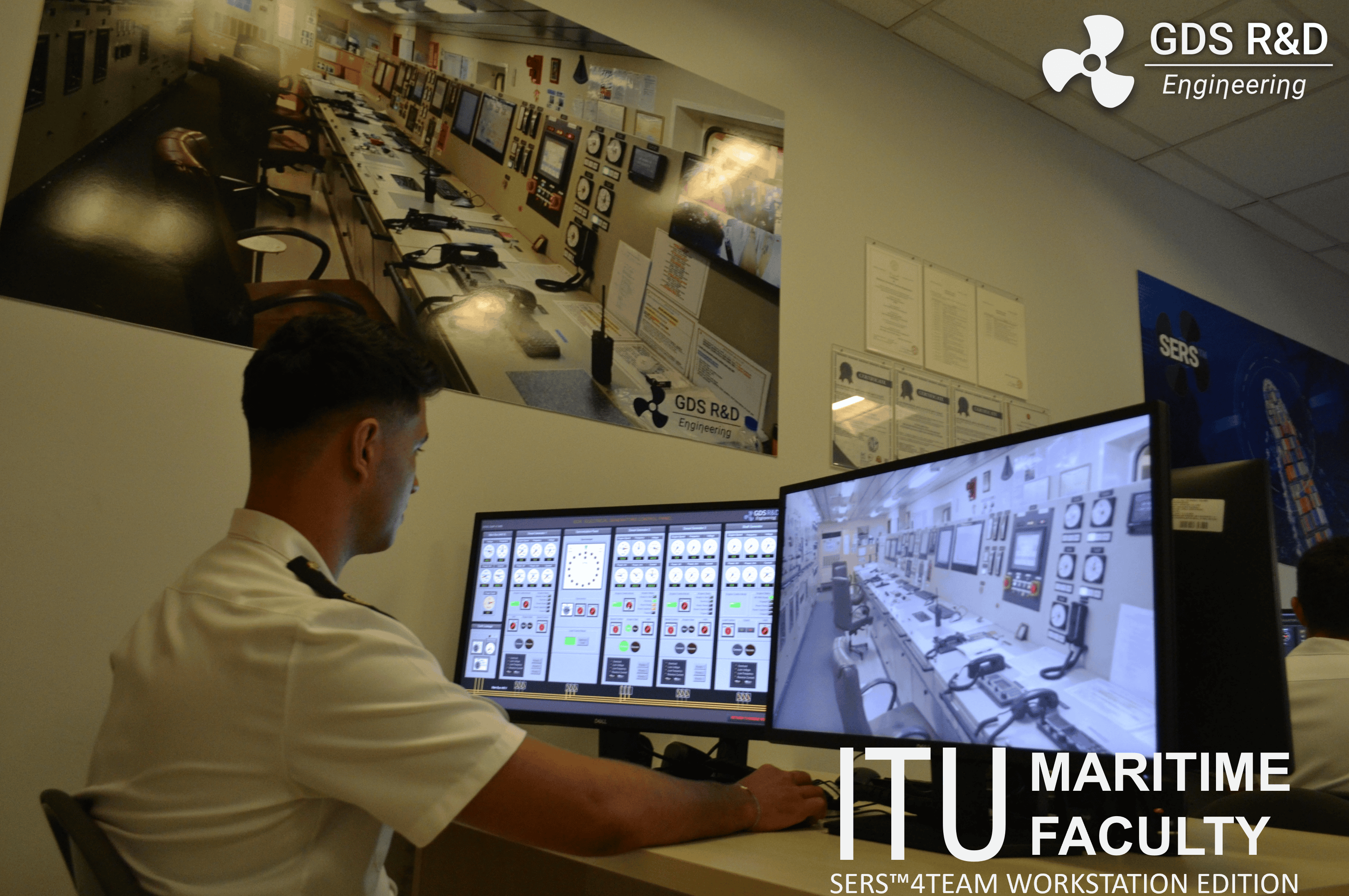
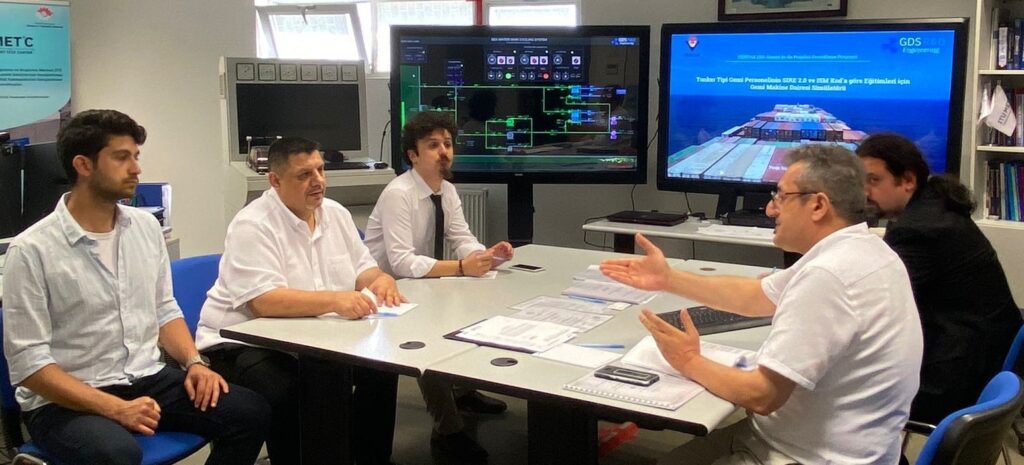
On July 8, 2023, Yıldız Technical University Faculty of Naval Architecture and Maritime Faculty Member Prof. Dr. Ahmet Dursun Alkan visited to see the Tanker Model SERS-T™, which will be the product of SERS™, and the Ship Engine Room SERS™, which is being installed at ITU Faculty of Maritime.

During the meeting at the ITU Maritime Faculty where SERS™, developed by GDS Engineering ARGE, was developed, SERS-T™, which is being developed for the SIRE 2.0 and ISM Code-Based Training of Tanker Type Ship Personnel within the scope of the TÜBİTAK 1501 Project, was introduced. With SERS-T™, a new system will be created to train sailors who will board the Tanker Ship. SERS™, which is actively used during the introduction, was also introduced.

In the developing simulator, Tanker ship machinery systems will be mathematically modeled and Graphical User Interface (GUI) Panels will be designed. The developed simulator will be compatible with SIRE 2.0 and ISM Codes required in Tanker Ships, and seafarers who will work on the Tanker Ship will be able to perform their training with Operation and Management level training scenarios.

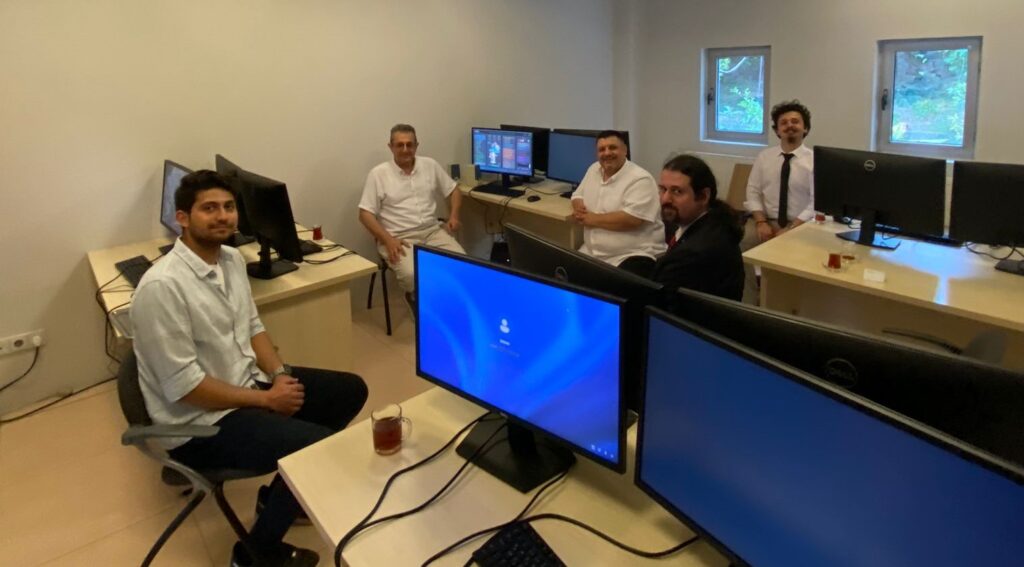
During the visit, the Simulator Center for SERS™, which is being established at ITU Maritime Faculty, was toured.

SERS™ has been pre-installed at ITU Maritime Faculty. SERS™, which was brought to ITU in collaboration with GDS Engineering R&D and SimBT, was highly appreciated by Assoc. Prof. Dr. Ahmet Dursun Alkan. He also shared his own views and recommendations for SERS™ and SERS-T™ with Dr. İsmail Çiçek.

SERS™, which is being installed at ITU Maritime Faculty Simulator Center, will provide training to students from Turkish Maritime schools at ITU Maritime Faculty, thanks to its structure that keeps up with technology for education and its rapid adaptation to today’s ship models, and will ensure that the sector is trained with conscious sailors who are knowledgeable about ship engine rooms.

The Role of the GDS Ship Engine Room Simulator in Skill Development

The GDS Ship Engine Room Simulator is an advanced training tool that replicates the engine room environment of modern vessels, providing maritime personnel with hands-on experience in a controlled setting. This simulator covers a wide range of critical systems found in ship engine rooms, including propulsion, auxiliary machinery, electrical systems, and emergency protocols. By using the simulator, crew members can practice their skills, refine their decision-making processes, and gain confidence in handling complex systems without the risks associated with real-world errors.

The simulator allows trainees to engage in realistic scenarios, such as equipment failures, power management issues, and environmental challenges. This training is invaluable in helping them develop deep technical skills needed to respond effectively under pressure. Given the increasing complexity of ship machinery, which often integrates digital and automated controls, such simulator-based training ensures that personnel are well-prepared for both routine and emergency operations.

Developing Deep Technical Skills with SIRE 2.0 and the GDS Simulator

By integrating SIRE 2.0’s competency standards with the practical capabilities of the GDS Ship Engine Room Simulator, maritime training institutions can foster deep tech skills that are essential in today’s high-stakes maritime environment. Training programs using these tools can address various aspects, including:

Operational Readiness: By simulating real-life engine room conditions, the GDS simulator enables personnel to develop an intuitive understanding of systems and processes, which aligns with SIRE 2.0’s focus on crew readiness and situational awareness.

Crisis Management and Decision-Making: The simulator provides scenarios that replicate emergency situations, allowing trainees to practice crisis response, prioritize actions, and make critical decisions under pressure.

Technical Proficiency: The GDS simulator helps personnel develop advanced skills in troubleshooting and maintaining complex machinery, which is crucial for achieving SIRE 2.0’s standards for operational excellence.

Environmental Compliance: With a growing emphasis on environmental regulations, the simulator enables crew members to familiarize themselves with compliance standards and practice procedures that reduce environmental impact, such as optimizing fuel usage and managing waste effectively.

Safety Protocols: Through realistic training scenarios, the simulator reinforces safety protocols, ensuring that personnel can identify and mitigate risks, which is a core component of the SIRE 2.0 inspection program.

Engine Room Simulator, ERS, Ship, Engine Room, Marine Engineering, Maritime, Simulation, IMO STCW 2010, Standards for Training and Certification of Watchkeeping, Ship, Model Course 2.07 (2017 Ed.), SERS, Maritime, Ship Electricity, Electrical Systems