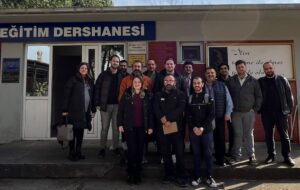
Proudly completed the 3rd training for the BMC Corp. on the “Environmental Testing of Military Equipment”

Training No.3 on Environmental Testing of Military Equipment. MIL-STD-810H. Training on Military Standards.

Training No.3 on Environmental Testing of Military Equipment.

Adapazarı “BMC” Tank Palet Fabrikası 3. grup personele 2.5 gün süreli verdiğimiz “Askeri Ekipmanların Çevresel Testleri” eğitimimizi tamamladık.
Kara savunmada yıllarca görev alan personelin de olduğu bu eğitim ile faydalı olabilmekten dolayı çok memnun kaldık.
Gruptaki 3 çok tecrübeli arkadaşlarımızın kendi alanlarındaki çalışmalarda çok ciddi tecrübe kazandıklarını ve tasarım ve sistem geliştirmeye ciddi katkılarının olduğunu gözlemleyebilmiş olmaktan dolayı çok gurur duydum. Eğitim konuları hakkında detay seviye bilgi ve tecrübe alış verili yapabilmekten dolayı çok memnun olarak ayrıldık.

Dr. İsmail Çiçek

Engine Room Simulator, ERS, Ship, Engine Room, Marine Engineering, Maritime, Simulation, IMO STCW 2010, Standards for Training and Certification of Watchkeeping, Ship, Model Course 2.07 (2017 Ed.), SERS

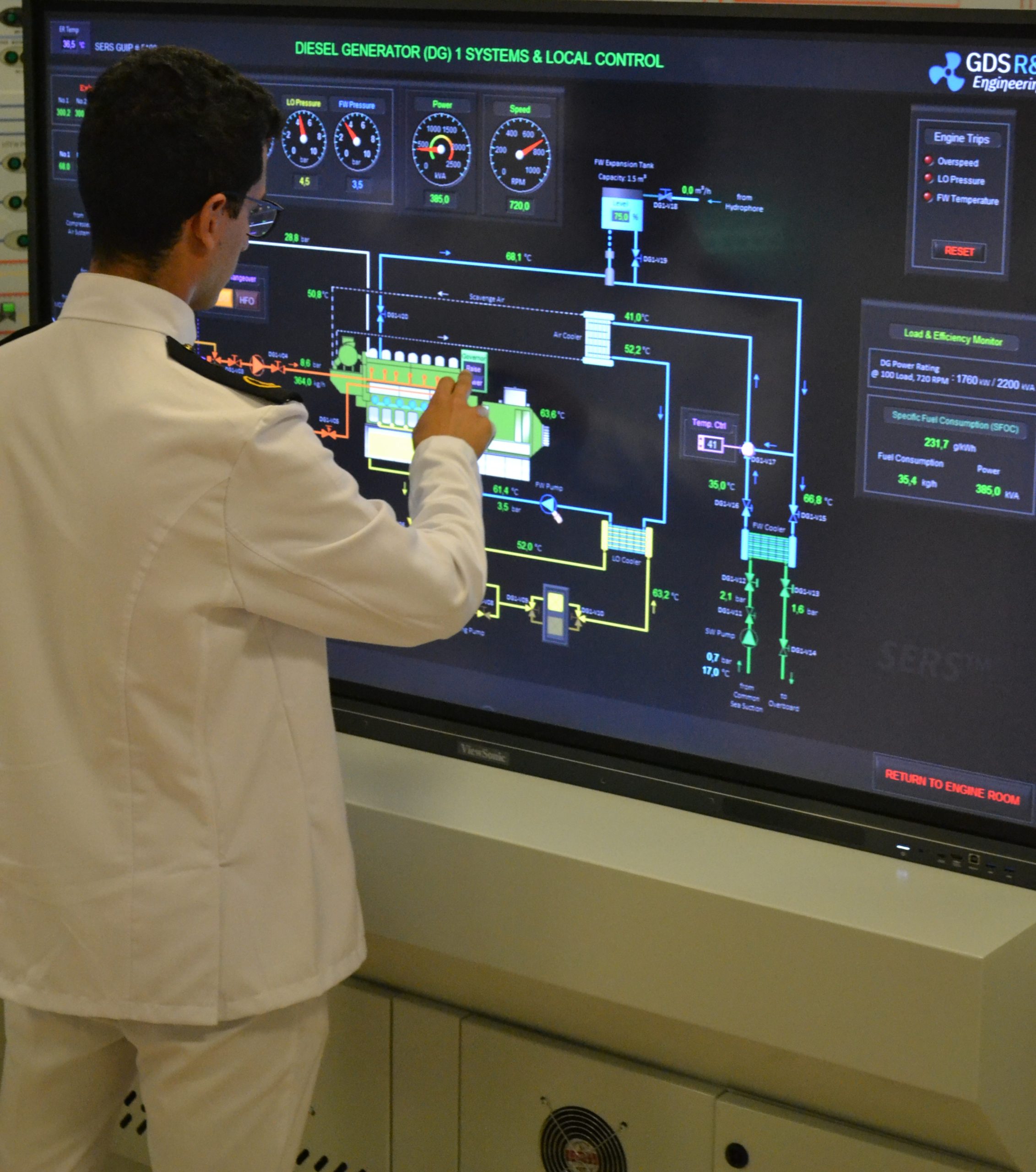
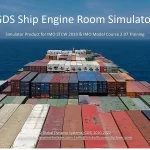
The SIRE 2.0 training starts with the GDS SERS™ product using the newly developed SERS-T™ Tanker Ship model.

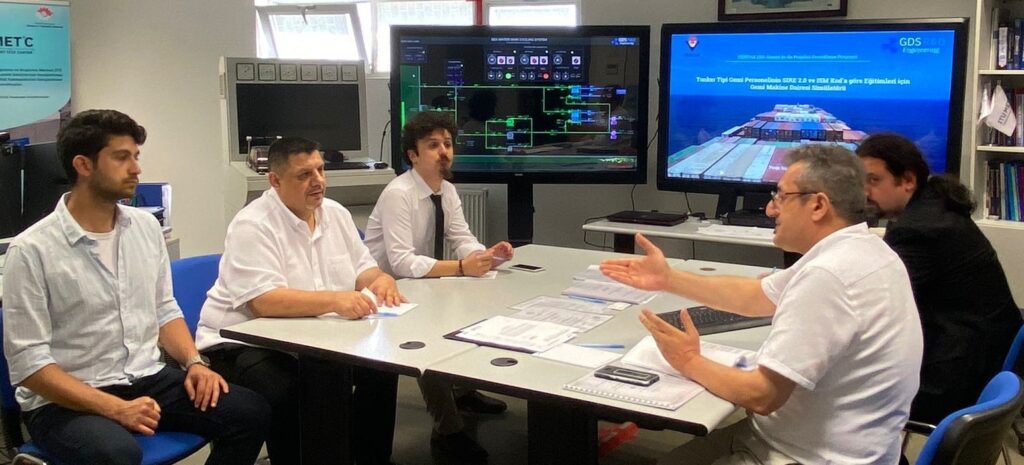
On July 8, 2023, Yıldız Technical University Faculty of Naval Architecture and Maritime Faculty Member Prof. Dr. Ahmet Dursun Alkan visited to see the Tanker Model SERS-T™, which will be the product of SERS™, and the Ship Engine Room SERS™, which is being installed at ITU Faculty of Maritime.

During the meeting at the ITU Maritime Faculty where SERS™, developed by GDS Engineering ARGE, was developed, SERS-T™, which is being developed for the SIRE 2.0 and ISM Code-Based Training of Tanker Type Ship Personnel within the scope of the TÜBİTAK 1501 Project, was introduced. With SERS-T™, a new system will be created to train sailors who will board the Tanker Ship. SERS™, which is actively used during the introduction, was also introduced.

In the developing simulator, Tanker ship machinery systems will be mathematically modeled and Graphical User Interface (GUI) Panels will be designed. The developed simulator will be compatible with SIRE 2.0 and ISM Codes required in Tanker Ships, and seafarers who will work on the Tanker Ship will be able to perform their training with Operation and Management level training scenarios.

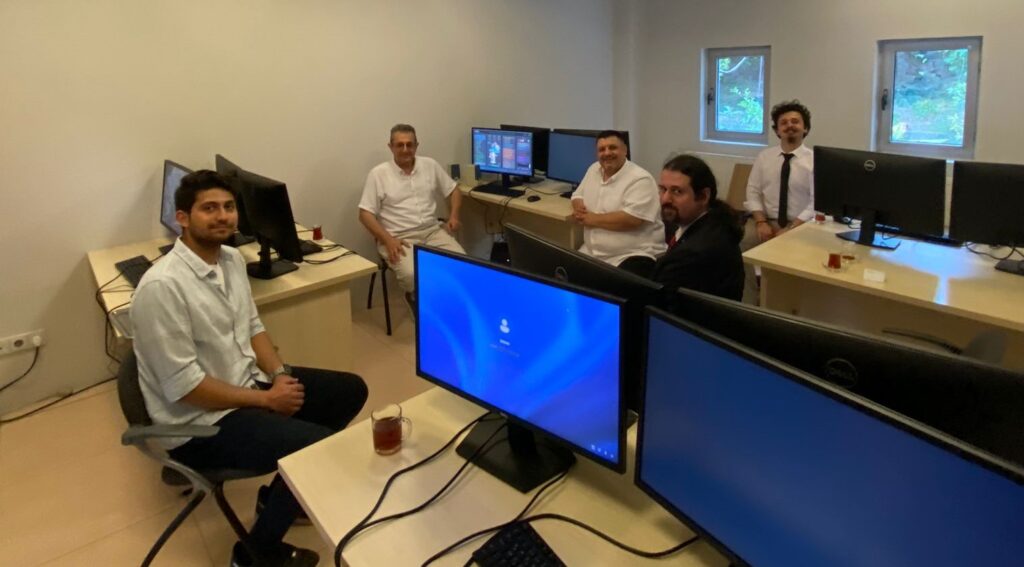
During the visit, the Simulator Center for SERS™, which is being established at ITU Maritime Faculty, was toured.

SERS™ has been pre-installed at ITU Maritime Faculty. SERS™, which was brought to ITU in collaboration with GDS Engineering R&D and SimBT, was highly appreciated by Assoc. Prof. Dr. Ahmet Dursun Alkan. He also shared his own views and recommendations for SERS™ and SERS-T™ with Dr. İsmail Çiçek.

SERS™, which is being installed at ITU Maritime Faculty Simulator Center, will provide training to students from Turkish Maritime schools at ITU Maritime Faculty, thanks to its structure that keeps up with technology for education and its rapid adaptation to today’s ship models, and will ensure that the sector is trained with conscious sailors who are knowledgeable about ship engine rooms.

The Role of the GDS Ship Engine Room Simulator in Skill Development

The GDS Ship Engine Room Simulator is an advanced training tool that replicates the engine room environment of modern vessels, providing maritime personnel with hands-on experience in a controlled setting. This simulator covers a wide range of critical systems found in ship engine rooms, including propulsion, auxiliary machinery, electrical systems, and emergency protocols. By using the simulator, crew members can practice their skills, refine their decision-making processes, and gain confidence in handling complex systems without the risks associated with real-world errors.

The simulator allows trainees to engage in realistic scenarios, such as equipment failures, power management issues, and environmental challenges. This training is invaluable in helping them develop deep technical skills needed to respond effectively under pressure. Given the increasing complexity of ship machinery, which often integrates digital and automated controls, such simulator-based training ensures that personnel are well-prepared for both routine and emergency operations.

Developing Deep Technical Skills with SIRE 2.0 and the GDS Simulator

By integrating SIRE 2.0’s competency standards with the practical capabilities of the GDS Ship Engine Room Simulator, maritime training institutions can foster deep tech skills that are essential in today’s high-stakes maritime environment. Training programs using these tools can address various aspects, including:

Operational Readiness: By simulating real-life engine room conditions, the GDS simulator enables personnel to develop an intuitive understanding of systems and processes, which aligns with SIRE 2.0’s focus on crew readiness and situational awareness.

Crisis Management and Decision-Making: The simulator provides scenarios that replicate emergency situations, allowing trainees to practice crisis response, prioritize actions, and make critical decisions under pressure.

Technical Proficiency: The GDS simulator helps personnel develop advanced skills in troubleshooting and maintaining complex machinery, which is crucial for achieving SIRE 2.0’s standards for operational excellence.

Environmental Compliance: With a growing emphasis on environmental regulations, the simulator enables crew members to familiarize themselves with compliance standards and practice procedures that reduce environmental impact, such as optimizing fuel usage and managing waste effectively.

Safety Protocols: Through realistic training scenarios, the simulator reinforces safety protocols, ensuring that personnel can identify and mitigate risks, which is a core component of the SIRE 2.0 inspection program.

Engine Room Simulator, ERS, Ship, Engine Room, Marine Engineering, Maritime, Simulation, IMO STCW 2010, Standards for Training and Certification of Watchkeeping, Ship, Model Course 2.07 (2017 Ed.), SERS, Maritime, Ship Electricity, Electrical Systems
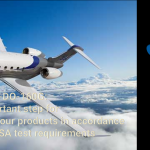
Online Training on RTCA-DO-160G Environmental Testing of Products, Airborne Equipmen for Platform Qualification. Provided by GDS Engineering R&D, Systems Engineering Products and Solutions. Training Led by a Live US-based Sr. Instructor: Dr. Ismail Cicek. Product Verification and Validation Courses for Integrated Systems.

Equipment Certification Process for Commercial Aircraft

FAA provides guides for exlaining the equipment process in the guide document called “THE FAA AND INDUSTRY GUIDE TO PRODUCT CERTIFICATION (CPI Guide), 3rd Ed.”. The document intends to inform the industry with the certification process to improve safety, teamwork, planning, accountability, quality, and continues improvement.

This post is to summarize the important sections of this document for an overview. The complete manuscript should be referred for formal studies and initiations.

The most important message given in this document is that the certification process requires partnership for ensuring the safety. Elements of ensuring safety is self evaluating the compliance level through Compliance Maturity and arranging partnership with FAA through the Partnership for Safety Plan as layed out in the aforementioned document.

Compliance Maturity

FAA desribes the compliance maturity as a measure of the ability of an Applicant to perform the required compliance activities with a minimum level of FAA involvement. It provides the FAA with the assurance that they can move from direct involvement on most project tasks to an oversight role. There is an expectation that Industry will embrace a compliance maturity culture of ever advancing compliance competencies.

Partnership for Safety Plan

The PSP is a written “umbrella” agreement between the FAA and the Applicant that focuses on high level objectives such as open and effective communication, key principles including effective certification programs utilizing the Project Specific Certification Plan (PSCP), designee utilization if applicable, issue resolution, continuous improvement, general expectations, and other agreements reached between the Applicant and the
FAA that further Applicant maturity.

The PSP also helps define the general discipline and methodology to be used in planning and administering certification projects using appropriate procedures. Although the stated procedures are not required, the procedures provide a means to help the Holder/Applicant move toward a more systematic process for conducting projects that the FAA can rely on without having to do direct oversight of the projects.

Partnership for Safety Plan is an umbrella agreement that covers the following specific activity areas:

  • Continued Operational Safety
  • Project Specific Certification Plan
  • Risk Based Level of Project Involvement
  • Continuous Improvement
  • Issues Resolution Process
  • Other as defined by the PSP

Project Specific Certification Plan (PSCP)

Developed based on the needs of the project as defined in paragraph 2-3.d of FAA Order 8110.4, the PSCP must provide clarity for how the Applicant will comply with the regulations. The PSCP is a key tool in meeting the 14 CFR part 21 requirements for the certification and approval of a product.

Test Standard: RTCA-DO-160G

RTCA-DO-160G is the current test standard version to use for equipment certification testing. Everything airborne from small general aviation aircraft and rotary aircraft to large airliners and transport planes must go through DO-160 testing. The DO-160 standard and the EUROCAE ED-14 standard are identically worded. DO-160 standard procedures van be used in either FAA or EASA certification projects. The catergories, procedures, and test parameters are derived from FAA regulations and for most of the procedures there is a direct reference.

DO-160 testing involves a wide range of factors, from humidity and temperature to electrical interference and shock resistance. The standard is intended to cover almost anything that can disrupt the performance of an airborne electrical or electronic device. By undergoing the certification and testing process, a DO-160 compliant device can deliver reliable and accurate operation in any flight condition.

GDS Engineering R&D provides training on the RTCA-DO-160G testing. Part 21 process and all tests in DO-160 are covered in this short two and a half day training.

GDS Systems Engineering V&V Training Courses
Event Calendar

We announce upcoming training on these pages. Due to COVID-19 pandemic situation, we offer only ONLINE training courses for the time being. Please communicate with us if you need a group training, which could be scheduled based on your plans and schedules.

Select the best training from below list that fits to your training needs.

Upcoming Events


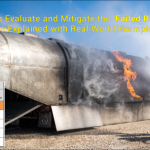
RTCA-DO-160 Fire and Flammability Training. MIL-STD-810H. Risks and Assessment Techniques.

Training Program Description: MIL-STD-810H Training Environmental Testing of Military Equipment

Training Program Description for
GDS MIL-STD-810H Training Environmental Testing of Military Equipment

Two and a half days of
focused International and Online Training
on MIL-STD-810H with Emphasis on “Tailoring

by
GDS Engineering R&D, Inc.

Display or download the PDF file: MIL-STD-810H Training Description
or read all details of this training program at: https://www.globaldynamicsystems.com/systems-engineering-training-courses/training-on-mil-std-810h-dod/

Training Schedule and Execution Type
  • Training Type: International / Online
  • Satus: Seats are avaiable now.
  • Online training using ZOOM.
  • Led by a live, U.S. based instructor (Dr Ismail Cicek) (PDF) (Download PDF)
  • A usual 2.5 days of training schedule is as follows:
      • 1st Day: 09:00 – 13:00
    • 2nd Day: 09:00 – 17:00 (Lunch Break between 12:30 and 13:30)
    • 3rd Day: 09:00 – 17:00 (Lunch Break between 12:30 and 13:30)
    • Time zone: Central Daylight Time (US CDT, UTC-5)
  • Ending time may vary+/-30 minutes depending on the length of the discussions.
  • Course Material: English
  • Comm. Language: English
  • Material: Registration includes all presentations and additional material (English) shared before the class.
  • Attandance: The link for online class is distributed to registered trainees upon registration.
  • Attendees will receive a Training Certificate.
  • Training includes knowledge check quizzes, a competition type fun way or learning.

GDS Systems Engineering V&V Training Courses
Event Calendar

We announce upcoming training on these pages. Due to COVID-19 pandemic situation, we offer only ONLINE training courses for the time being. Please communicate with us if you need a group training, which could be scheduled based on your plans and schedules.

Select the best training from below list that fits to your training needs.

Upcoming Events


Training Registration Request Form

Please fill out the following form for asking your question or with a registration request. Thank you for your interest in our training programs.

[contact-form-7 id=”7c573b2″ title=”Training Request Form 1″]

About the Instructors

The main instructor of the training is Dr Ismail Cicek. An Avionics Chief Engineer (EE) who is also a Certified Verification Engineer (FAA/EASA) also assists the trainings. Our experienced test personnel also becomes avialable for demonstrations and discussions.

A Certified Verification Engineer (CVE) iaw FAA/EASA and with 18 years of experience. He has worked as the avionics systems chief engineer in product development of avionics systems. He is also experienced in the product testing per environmental and EMI/EMC standards and FAA/EASA certification processes.

Our experienced personnel also support our training programs. They are actively participating in the environmental testing of products.

Dr. Ismail Cicek studied PhD in Mechanical Engineering Department at Texas Tech University in Texas, USA. He study included random vibration. He has both industrial and academic experience for over 30 years.

He gained engineering and leadership experience by working in the United States Department of Defence projects and programs as systems development engineer for 15 years. He led the development of various engineering systems for platforms including C-5, C-17, KC-10, KC-135, and C-130 E/H/J.  Dr. Cicek’s experience includes unmanned aerial vehicle development where he utilized the Geographical Information Systems (GIS) and Malfunction Data Recorder Analysis Recorder System (MADARS) development for military transport aircraft. 

Dr Cicek worked as the lab chief engineer for five years at the US Air Force Aeromedical Test Lab at WPAFB, OH. He received many important awards at the positions he served, due to the excellent team-work and his detail oriented and energetic personality.  These included Terra Health’s Superior Client Award in 2009 and Engineering Excellence Award in 2010 as well as an appreciation letter from the US Air Force Aeronautical Systems Center (ASC), signed by the commander in charge.

Dr Cicek also established a test lab, called Marine Equipment Test Center (METC) and located at Istanbul Technical University, Tuzla Campus, for testing of equipment per military and civilian standards, such as RTCA-DO-160. Providing engineering, consultancy, and training services to many companies and organizations, Dr. Cicek has gained a great insight into the tailoring of standard test methods in accordance with military standards, guides, and handbooks as well as Life Cycle Environmental Profile LCEP) developed for the equipment under test.

Dr. Cicek also completed various product and research projects, funded in the USA, EU, and Turkey. He is currently teaching at Istanbul Technical University Maritime Faculty, Tuzla/Istanbul. He is the founding manager of the METC in Tuzla Campus of ITU. Meanwhile, he provided engineering services, consultancies, and training to many organizations for product development, engineering research studies such a algorith development, test requirements development, and test plans and executions.

Dr Cicek worked as the Principle Investigator and became a Subject Matter Expert (SME) at the US Air Force Aeromedical Test Lab (WPAFB/OH) for certifying the products to the US Air Force Platform Requirements. He also developed Joint Enroute Care Equipment Test Standard (JECETS) in close work with US Army Test Lab engineers and managers.

Read DAU Paper: “A New Process for the Acceleration Test and Evaluation of Aeromedical Equipment for U.S. Air Force Safe-To-Fly Certification”. Click to display this report.

Connect with Dr Ismail Cicek: Linkedin Page

Click here to read more about Dr Cicek’s professional studies.

RTCA, Inc Logo

GDS Engineering R&D, Inc. is an official member of RTCA Organization

GDS Engineering R&D joined and became an official member of RTCA Organization on 27 January 2022.

RTCA creates the venue for collaboration, consensus, and government/industry partnerships on the performance standards development process. The members of RTCA are from organizations, entities, and governments from across the globe including aircraft and avionics manufacturing, service providers, R&D, academia, UAS and more. RTCA is creating and sustaining partnerships and being part of this we hope that GDS will also play important roles in shaping the future aviation system.

As a member organization of RTCA, Inc. GDS Engineering, Inc. can now be involved with the aviation industry and government professionals who are building consensus today on the electronic and telecommunication issues of tomorrow’s aviation. That consensus forms the recommendations for policy, procedural and equipment standards that will affect the way we all do business in the worldwide aviation community.

As a member of RTCA, GDS Engineering,Inc. is entitled to substantial benefits to the way we do business in aviation. RTCA members receive complimentary access to documents, the opportunity to participate on committees, discounts on training and events and more.

GDS Systems Engineering V&V Training Courses
Event Calendar

We announce upcoming training on these pages. Due to COVID-19 pandemic situation, we offer only ONLINE training courses for the time being. Please communicate with us if you need a group training, which could be scheduled based on your plans and schedules.

Select the best training from below list that fits to your training needs.

Upcoming Events


We are glad that we are now part of the RTCA group of organizations.

Ship Engine Room Simulator (ERS) SERS GDS Engineering R&D IMO STCW 2010, Engine Performance, Main Diesel Engine, Marine, Maritime, IMO Model Course 2.07. Certified by ClassNK. ITU Maritime Faculty. Yıldız Technical University. Competencies. Operation and Management Level. Education and Training. Assessment of Marine Engineers. Troubleshooting with Fault Tree Scnearious and Analysis Reporting. Objective Assessment. Nippon Kaiji Kyokai.High Voltage Training Functions 6600 VAC. Ship Propulsion Systems. Maritime Education and Training. Main Engine Performance. Sunken Diagrams. Energy Efficiency. Marine Engineering. Effect of Draft Change in the Ship Main Engine Performance Parameters. Management Level Training Exercices, Marine Engineering Education and Training. SERS Trademark

Capture GDS Vision in the Engine Room Simulator Development

In recent years, the maritime industry has seen a significant push towards technological advancement and stricter safety and operational standards. As vessels become more sophisticated and regulations evolve, the role of well-trained onboard maritime personnel becomes increasingly essential. In this context, the SIRE 2.0 program and GDS Ship Engine Room Simulator represent pioneering tools designed to equip maritime crews with deep technical skills necessary to meet new demands and improve the safety and efficiency of maritime operations.

Understanding SIRE 2.0 and Its Impact on Maritime Training

The Ship Inspection Report Programme (SIRE) has long been a fundamental tool in maintaining safety and operational standards across the maritime industry, particularly for tanker operations. Launched by the Oil Companies International Marine Forum (OCIMF), the program provides a comprehensive inspection system that evaluates the condition and operations of vessels. However, with the growing complexity of modern vessels and stricter environmental and safety regulations, the traditional SIRE program required enhancements to address these evolving needs. This led to the development of SIRE 2.0, an upgraded version that integrates data-centric inspection methodologies with a stronger focus on crew competency, operational excellence, and technical skills.

One of the key features of SIRE 2.0 is its focus on assessing the competency of crew members in handling complex equipment and operations. Rather than focusing solely on vessel condition, SIRE 2.0 evaluates the practical skills, knowledge, and decision-making abilities of onboard personnel. This ensures that crew members are not only familiar with equipment and operational standards but are also capable of responding effectively to critical situations.

The emphasis on crew competency in SIRE 2.0 aligns with the industry’s shift toward a human-centered approach in safety and operational excellence. This paradigm shift means that training programs must go beyond traditional instruction and delve into more practical, technology-driven skills, which is where simulators like the GDS Ship Engine Room Simulator come into play.

The Role of the GDS Ship Engine Room Simulator in Skill Development

The GDS Ship Engine Room Simulator is an advanced training tool that replicates the engine room environment of modern vessels, providing maritime personnel with hands-on experience in a controlled setting. This simulator covers a wide range of critical systems found in ship engine rooms, including propulsion, auxiliary machinery, electrical systems, and emergency protocols. By using the simulator, crew members can practice their skills, refine their decision-making processes, and gain confidence in handling complex systems without the risks associated with real-world errors.

The simulator allows trainees to engage in realistic scenarios, such as equipment failures, power management issues, and environmental challenges. This training is invaluable in helping them develop deep technical skills needed to respond effectively under pressure. Given the increasing complexity of ship machinery, which often integrates digital and automated controls, such simulator-based training ensures that personnel are well-prepared for both routine and emergency operations.

Developing Deep Technical Skills with SIRE 2.0 and the GDS Simulator

By integrating SIRE 2.0’s competency standards with the practical capabilities of the GDS Ship Engine Room Simulator, maritime training institutions can foster deep tech skills that are essential in today’s high-stakes maritime environment. Training programs using these tools can address various aspects, including:

Operational Readiness: By simulating real-life engine room conditions, the GDS simulator enables personnel to develop an intuitive understanding of systems and processes, which aligns with SIRE 2.0’s focus on crew readiness and situational awareness.

Crisis Management and Decision-Making: The simulator provides scenarios that replicate emergency situations, allowing trainees to practice crisis response, prioritize actions, and make critical decisions under pressure.

Technical Proficiency: The GDS simulator helps personnel develop advanced skills in troubleshooting and maintaining complex machinery, which is crucial for achieving SIRE 2.0’s standards for operational excellence.

Environmental Compliance: With a growing emphasis on environmental regulations, the simulator enables crew members to familiarize themselves with compliance standards and practice procedures that reduce environmental impact, such as optimizing fuel usage and managing waste effectively.

Safety Protocols: Through realistic training scenarios, the simulator reinforces safety protocols, ensuring that personnel can identify and mitigate risks, which is a core component of the SIRE 2.0 inspection program.