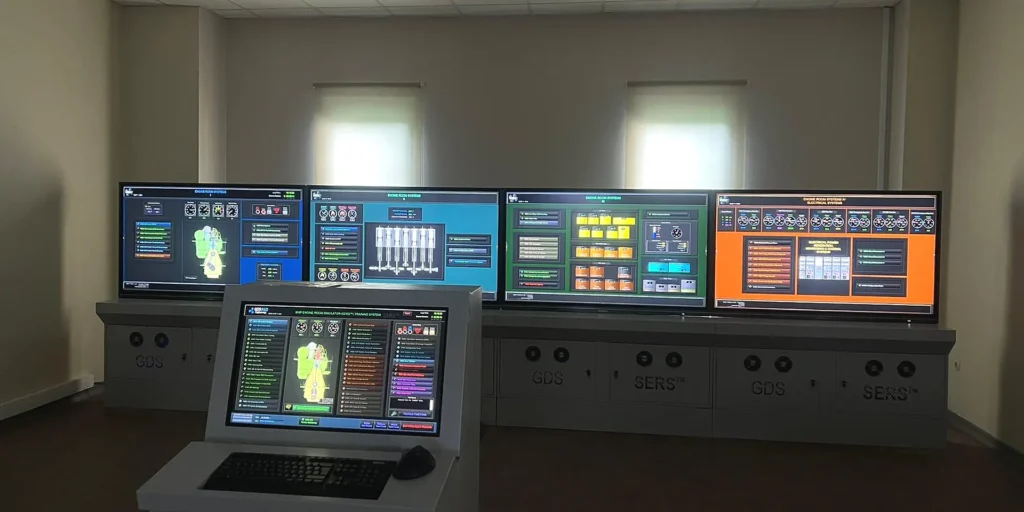
GDS Engineering R&D is taking part in TEKNOFEST Mavi Vatan 2026 at Gölcük Tersanesi Komutanlığı, presenting its ship engine room simulation technologies at the Ministry of Transport and Infrastructure exhibition area.
Held between 20–23 August 2026, TEKNOFEST Mavi Vatan brings together maritime technologies, naval platforms, engineering applications and young technology enthusiasts in one of Türkiye’s most important naval centres.
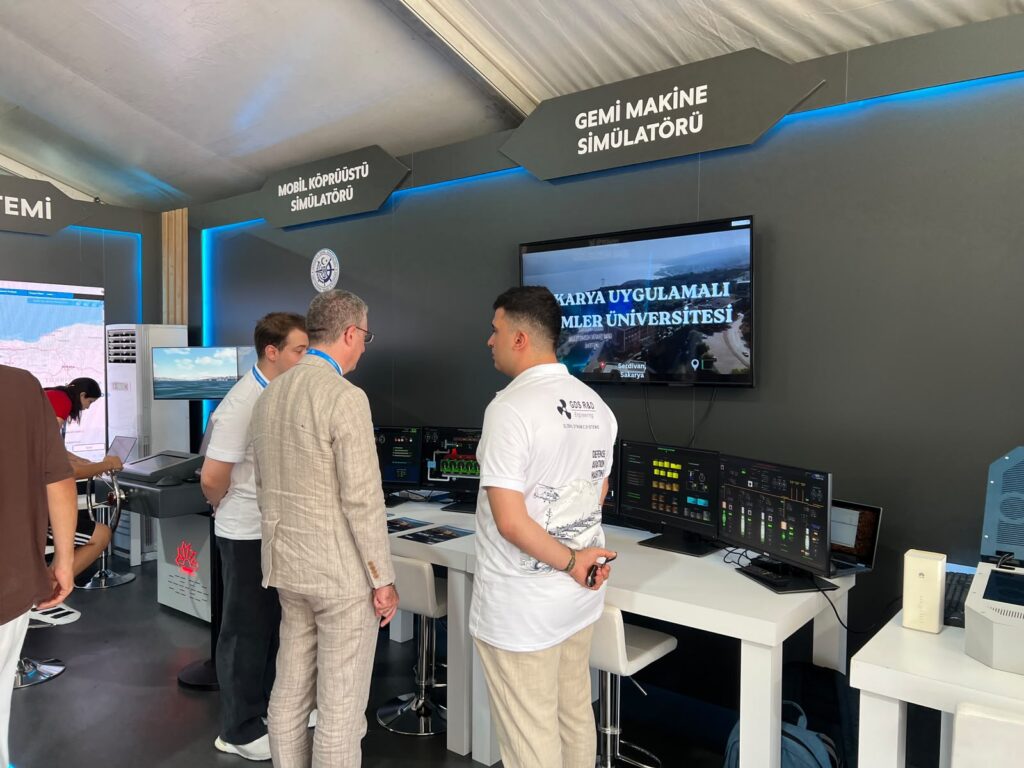
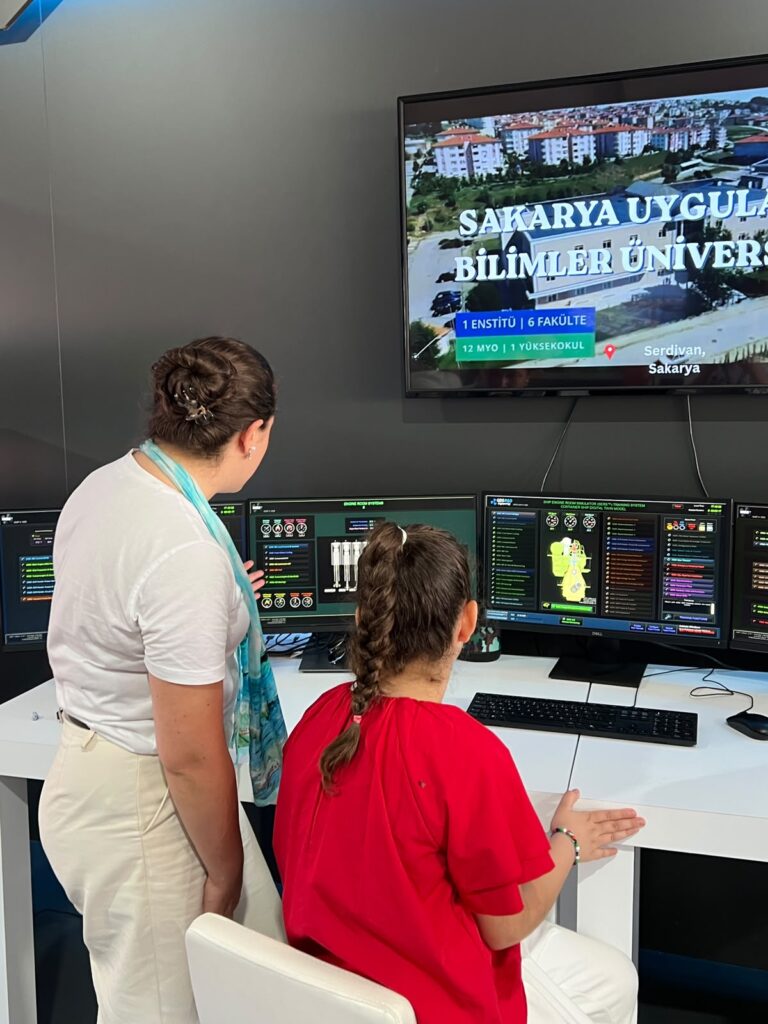
During the event, GDS is introducing visitors to its Ship Engine Room Simulator (SERS™) and demonstrating how simulator-based training can be used to support marine engineering education.
SERS™ provides a realistic training environment in which marine engineering students and professionals can become familiar with engine room systems, operational procedures, equipment interactions and different operating scenarios without the limitations and risks of training solely on board a vessel.
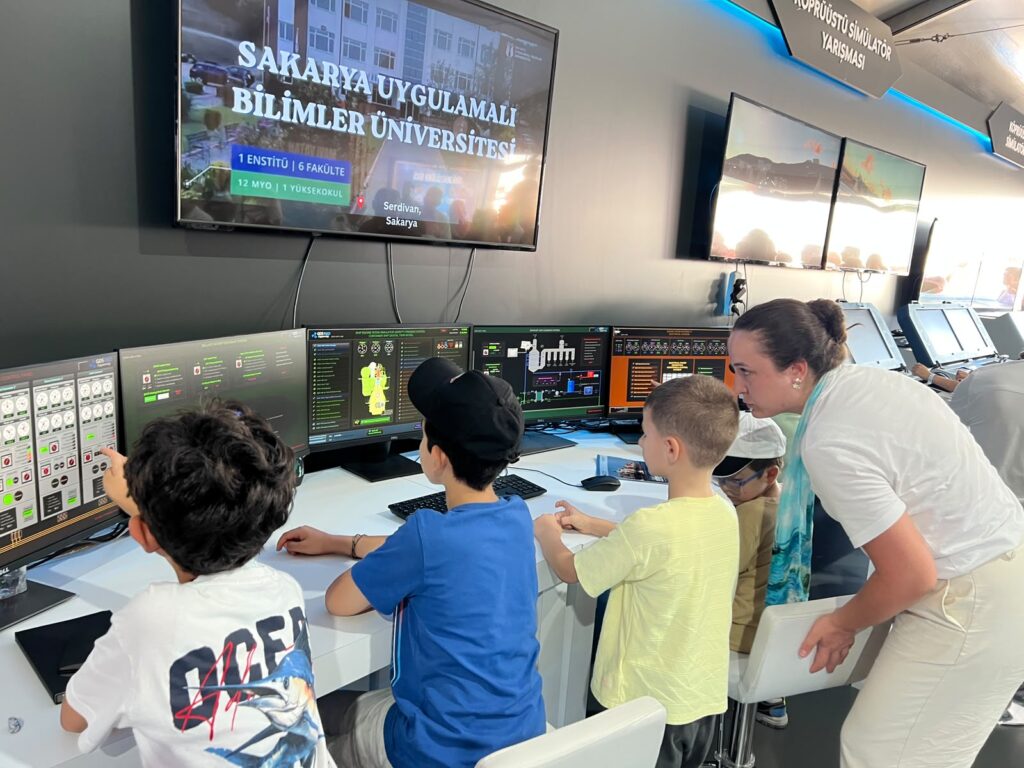
At the Ministry of Transport and Infrastructure exhibition area, visitors have the opportunity to see the simulator in operation, explore its interfaces and learn more about the role of simulation technologies in modern maritime education and training.
For GDS, participation in TEKNOFEST Mavi Vatan is also an opportunity to meet students, maritime professionals, educators and representatives from the wider maritime sector, and to exchange ideas on the future of marine engineering training.
We are pleased to be part of TEKNOFEST Mavi Vatan 2026 in Gölcük and to introduce our maritime simulation technologies to the next generation of engineers and maritime professionals.