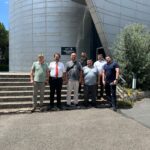
GDS Engineering R&D has successfully completed a three-day Electronically Controlled Main Propulsion Engine (ME-C) Training Program for the marine engineering personnel of DS Crewing GmbH, Germany.
Developed around the MAN B&W 6G60MEC-10.5-HPSCR main engine, the program combined technical system knowledge with hands-on controller practice, fault diagnosis and SERS™ simulator applications.
The key objective was clear: rather than limiting the program to classroom-based theory, participants were given the opportunity to understand the ME-C system and then work with the control interfaces used to operate, monitor and troubleshoot electronically controlled propulsion systems.
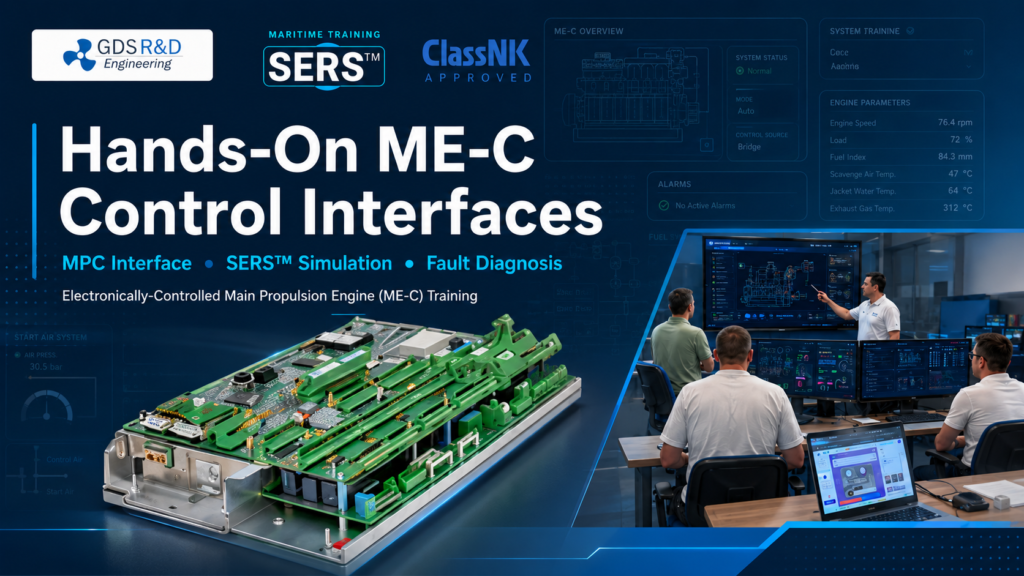
Hands-On Training with the Multifunction Controller (MPC)
A key feature of the training was the hands-on use of the Multifunction Controller (MPC).
Participants examined the controller and its relationship with the ME-C control architecture, combining component-level understanding with practical interface experience. The training addressed controller functions, system status information, feedback signals and representative fault conditions, helping participants connect what they see on the control system with what is physically happening on the engine.
This practical approach is particularly important for modern electronically controlled engines. During an actual fault, engineers need to move beyond acknowledging an alarm and determine which controller, sensor, hydraulic component or subsystem is responsible for the abnormal condition.
The training therefore combined system knowledge with hands-on troubleshooting and operational decision-making.
Understanding the ME-C System
The technical part of the program covered the transition from conventional mechanically controlled engines to electronically controlled ME architecture.
Participants examined the Hydraulic Power Supply (HPS), Hydraulic Cylinder Units (HCU), accumulators and high-pressure system oil distribution, followed by the operating principles of FIVA – Fuel Injection Valve Actuation, fuel pressure boosters, exhaust valve actuation and electronically controlled cylinder lubrication.
The program then moved into the Engine Control System (ECS), including MPC-based control architecture and the functions of the CCU, ECU and EICU, together with Tacho and sensor systems.
The MOP – Main Operating Panel was also covered to develop a systematic approach to parameter monitoring, system logs and fault information.
For the HPSCR-equipped reference engine, the program additionally addressed High Pressure Selective Catalytic Reduction, including Tier II/Tier III transition logic and the interaction between engine control and emissions-control systems.
Performance evaluation was supported by PMI and CoCoS-EDS, including cylinder-pressure information, Pmax/Pcomp evaluation and performance interpretation.
The overall troubleshooting approach followed a structured sequence:
Alarm → System Information → Fault Diagnosis → Root Cause → Operational Intervention
SERS™ Simulator Applications: From Knowledge to Action
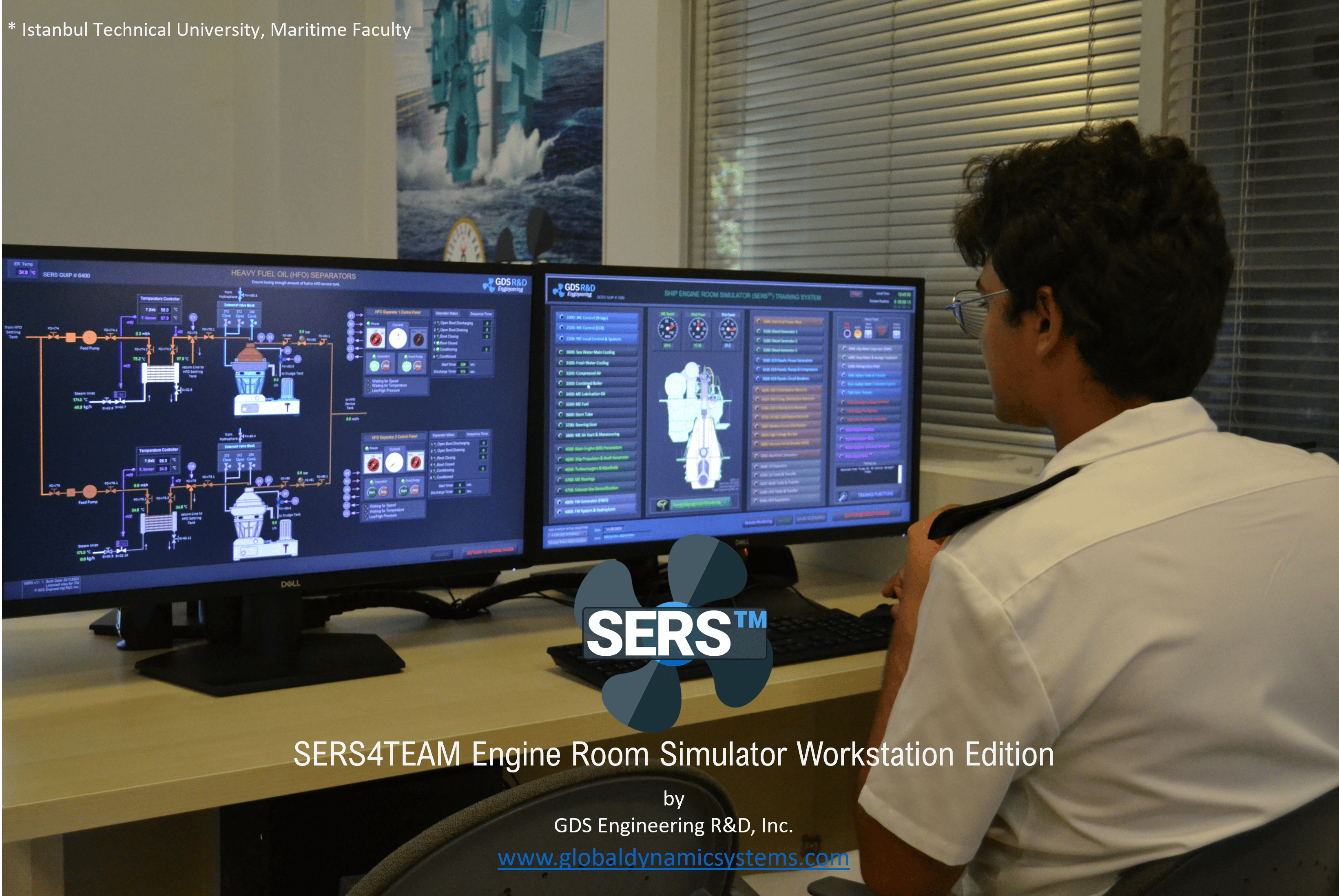
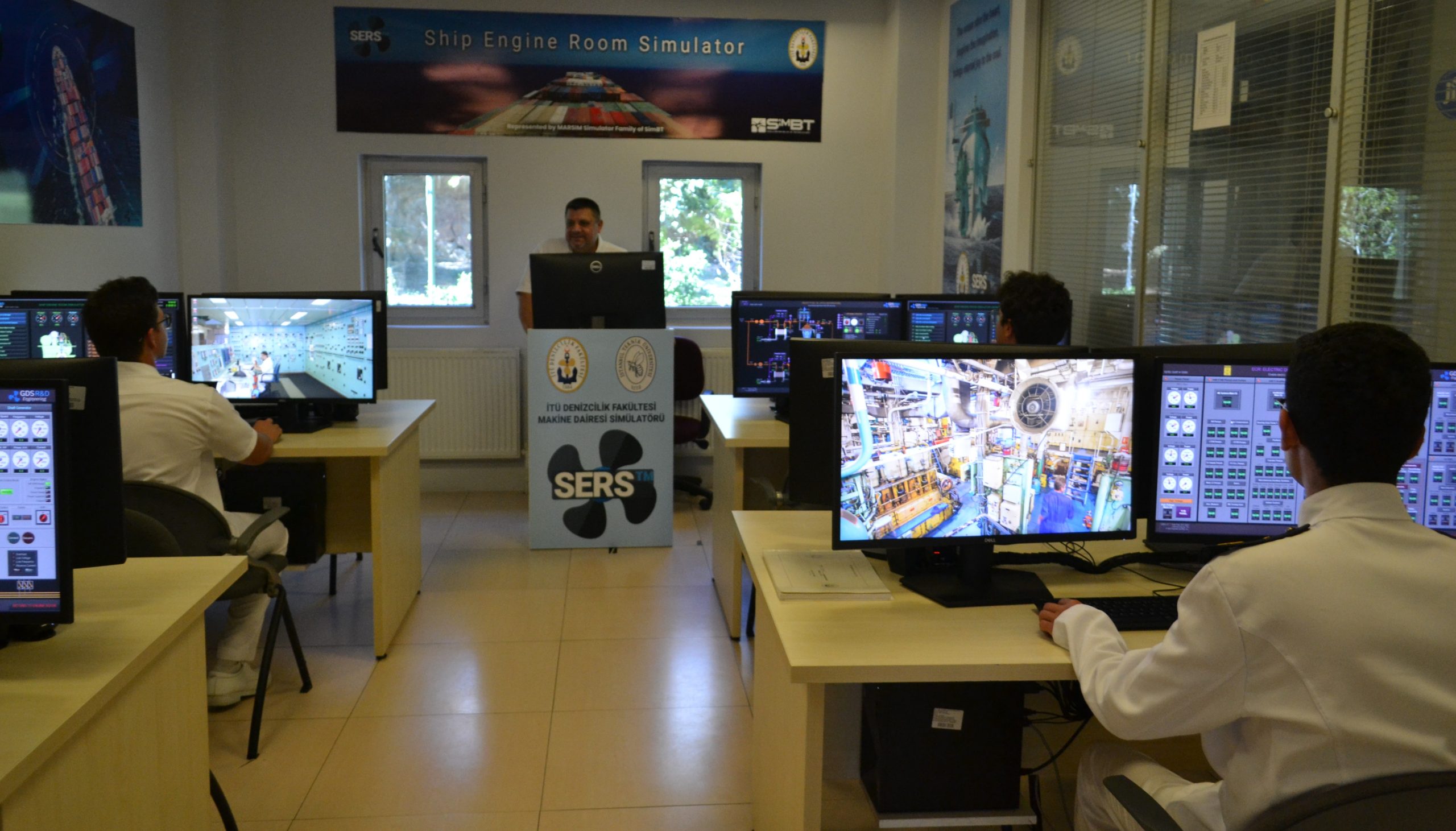
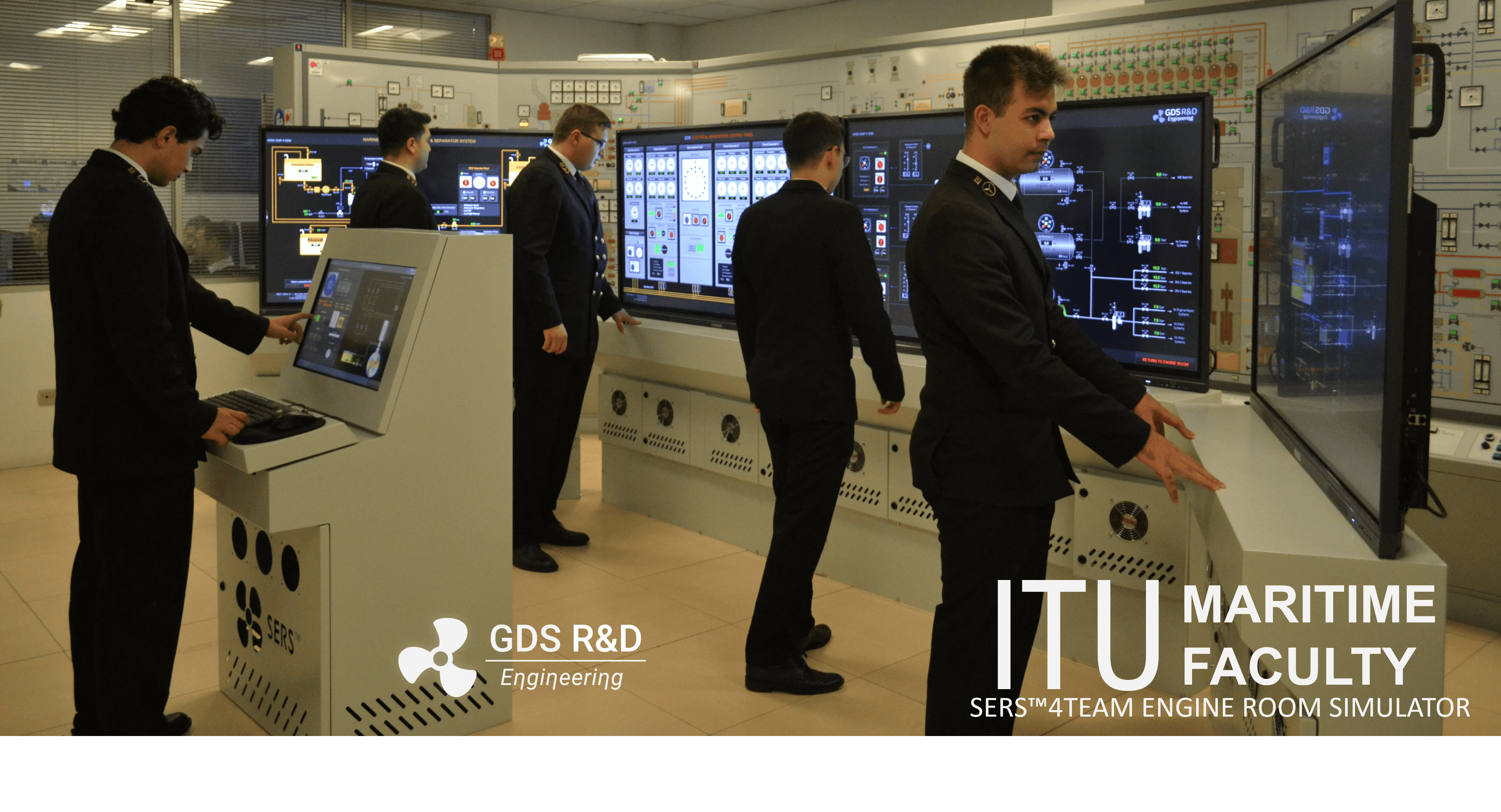
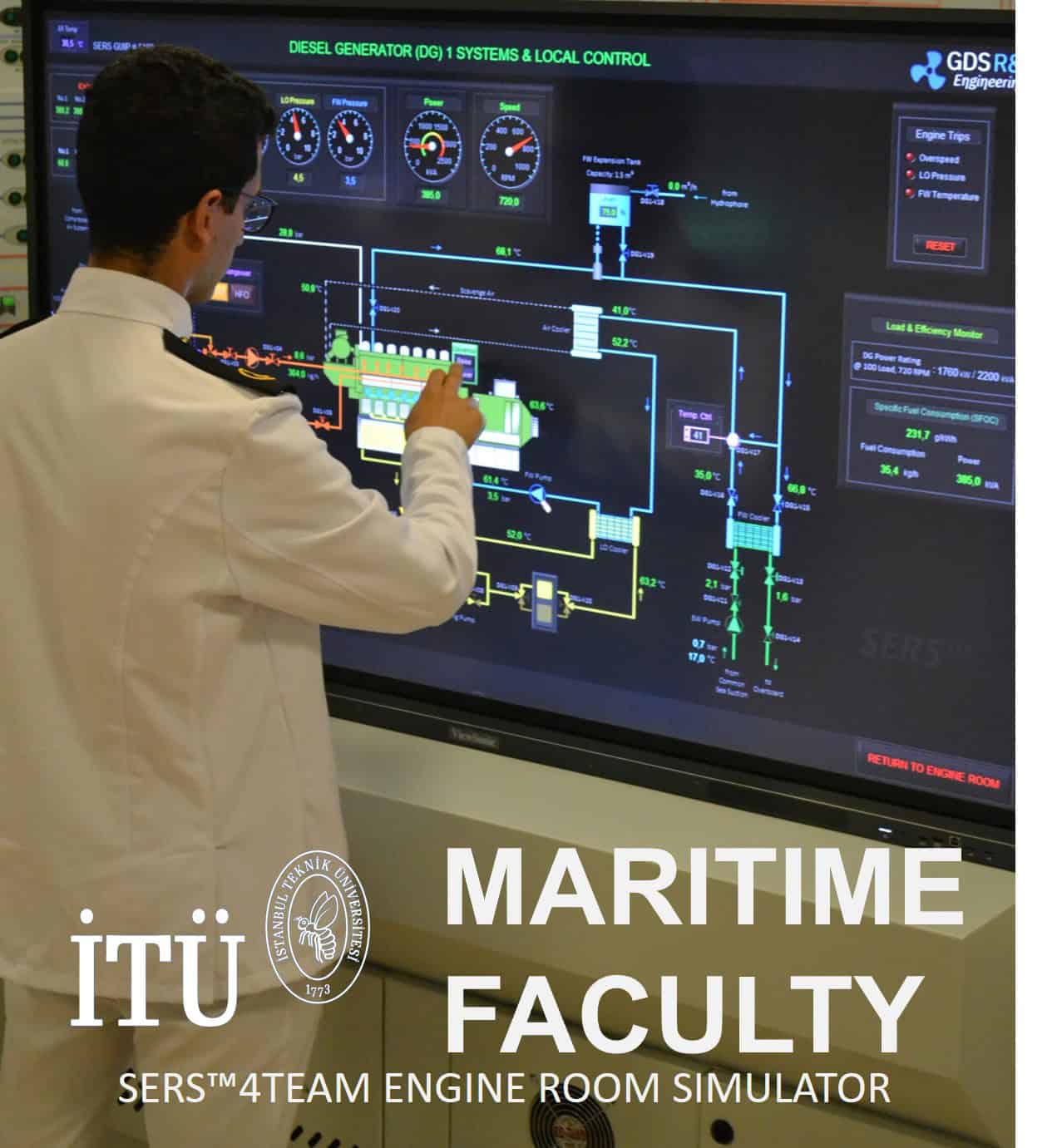
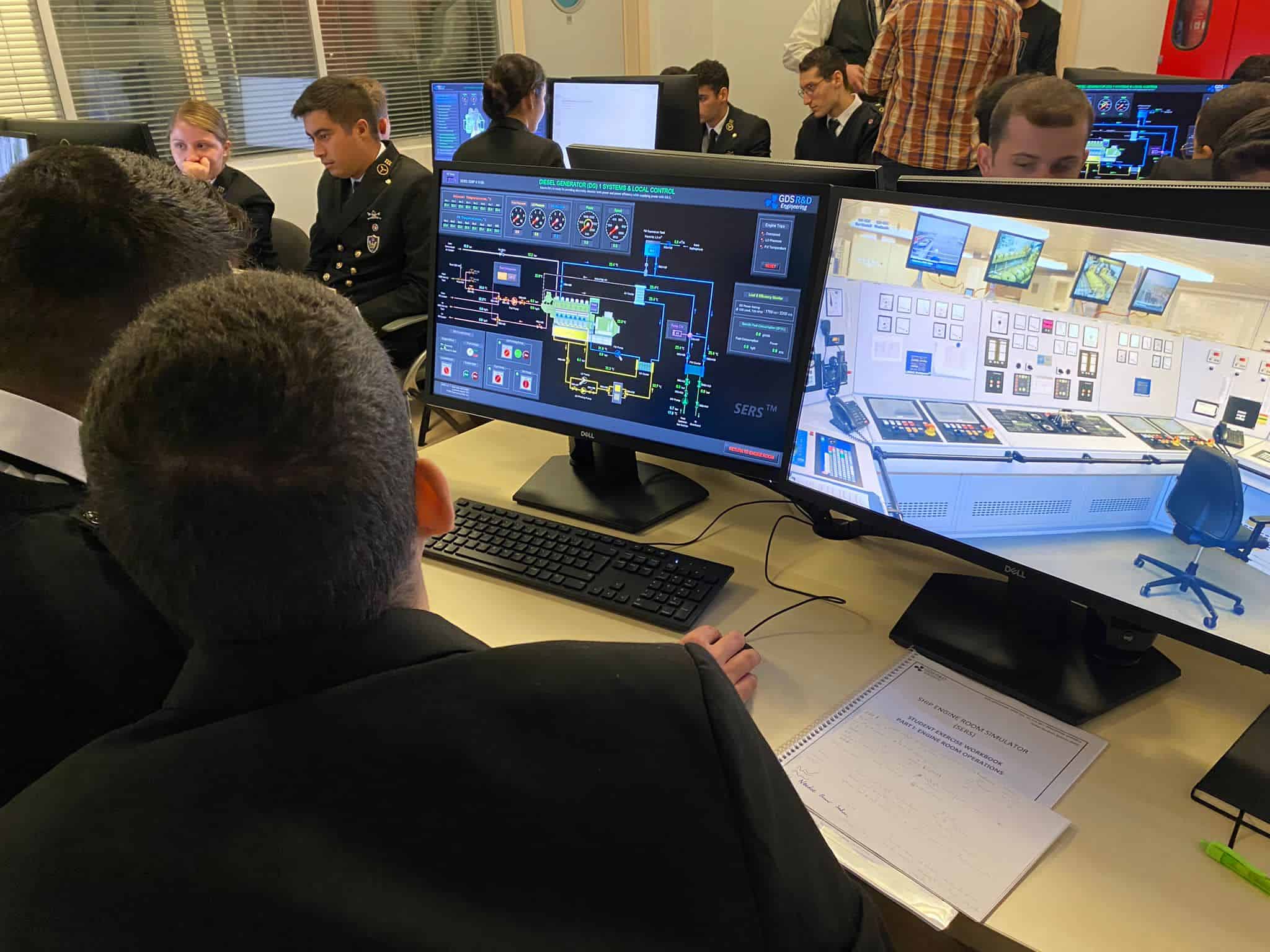
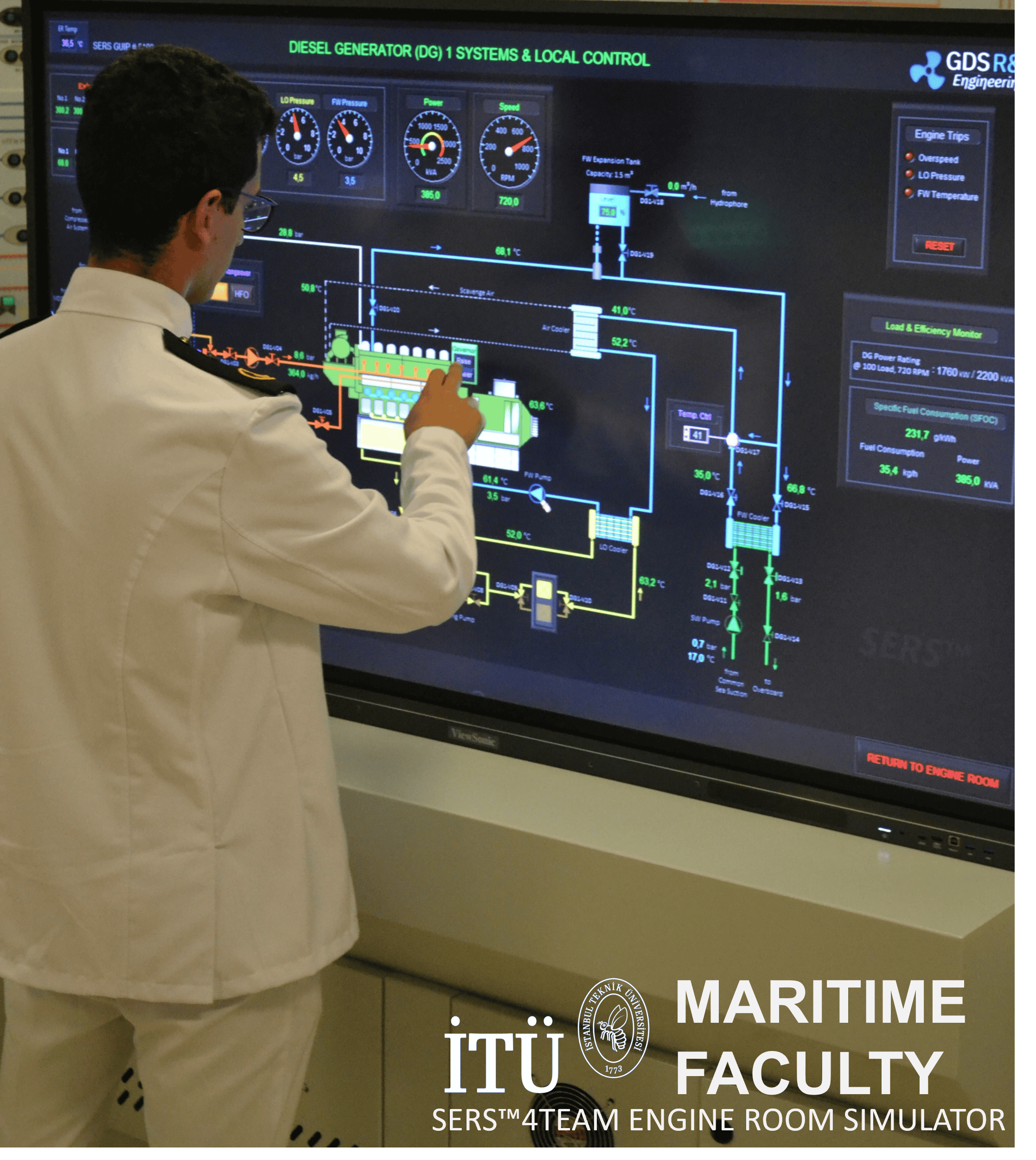
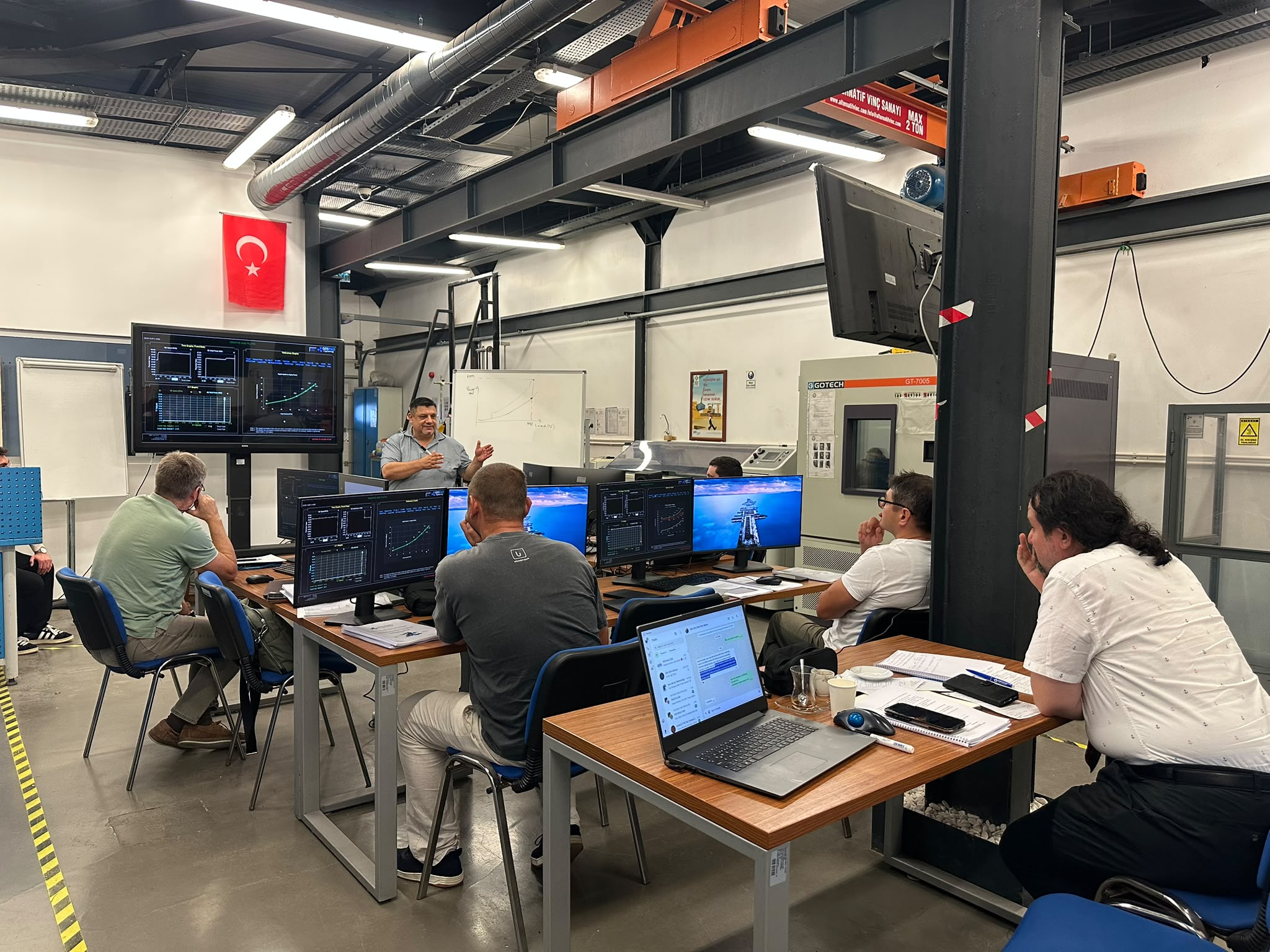
An important part of the program was carried out using the GDS Ship Engine Room Simulator – SERS™.
SERS™ enables participants to experience engine-room operations and abnormal conditions in a controlled environment where faults can be investigated without risk to real machinery or personnel.
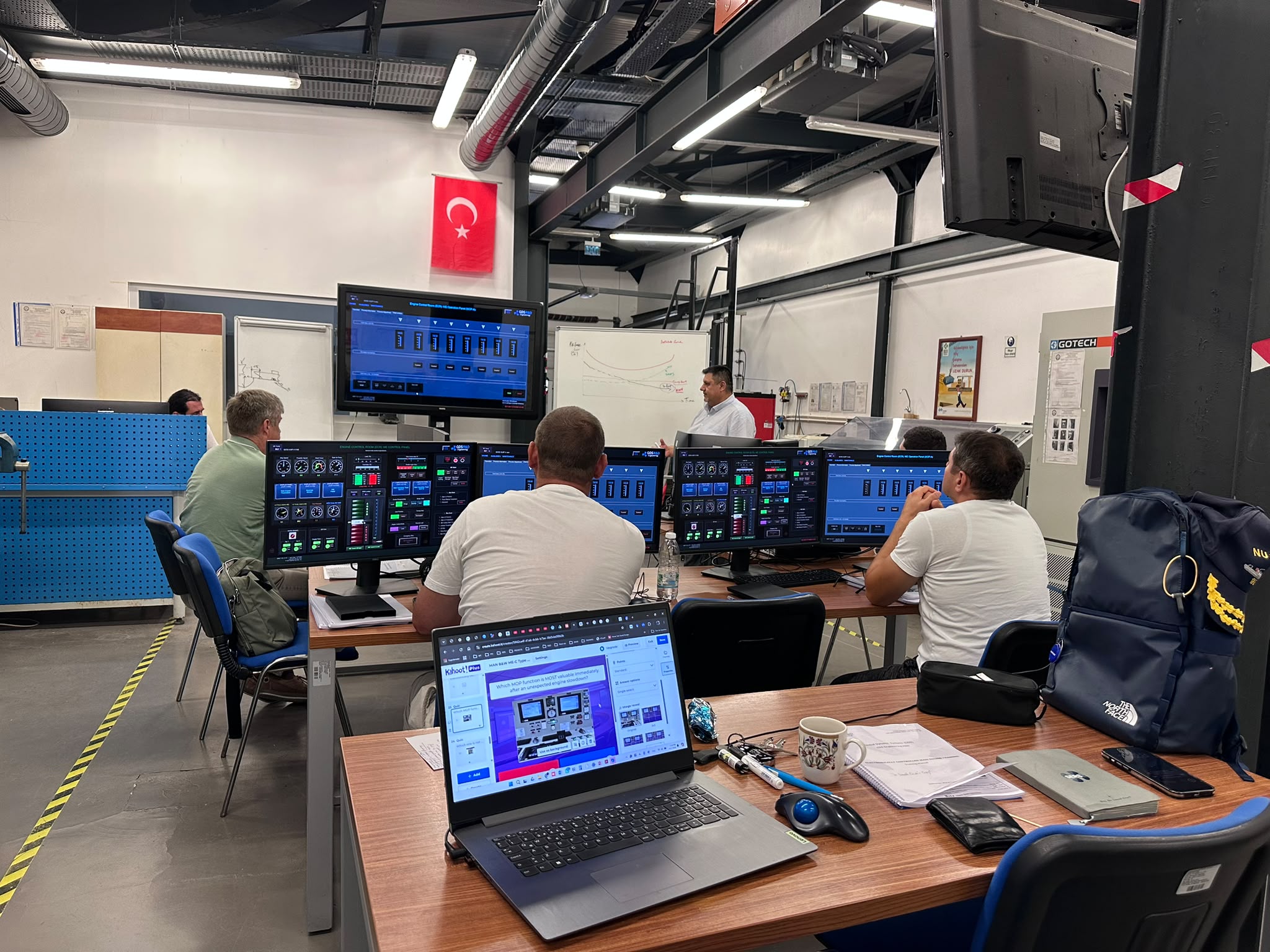
During simulator applications, participants worked with system parameters, alarms, operating conditions and fault scenarios. The objective was to transform the theoretical knowledge gained during the earlier sessions into practical engineering decisions.
SERS™ provides ME-engine-related functions including PMI, MOP A and MOP B panels, together with performance monitoring and plotting tools. This allows trainees to observe how different parameters respond as operating conditions change or faults develop.
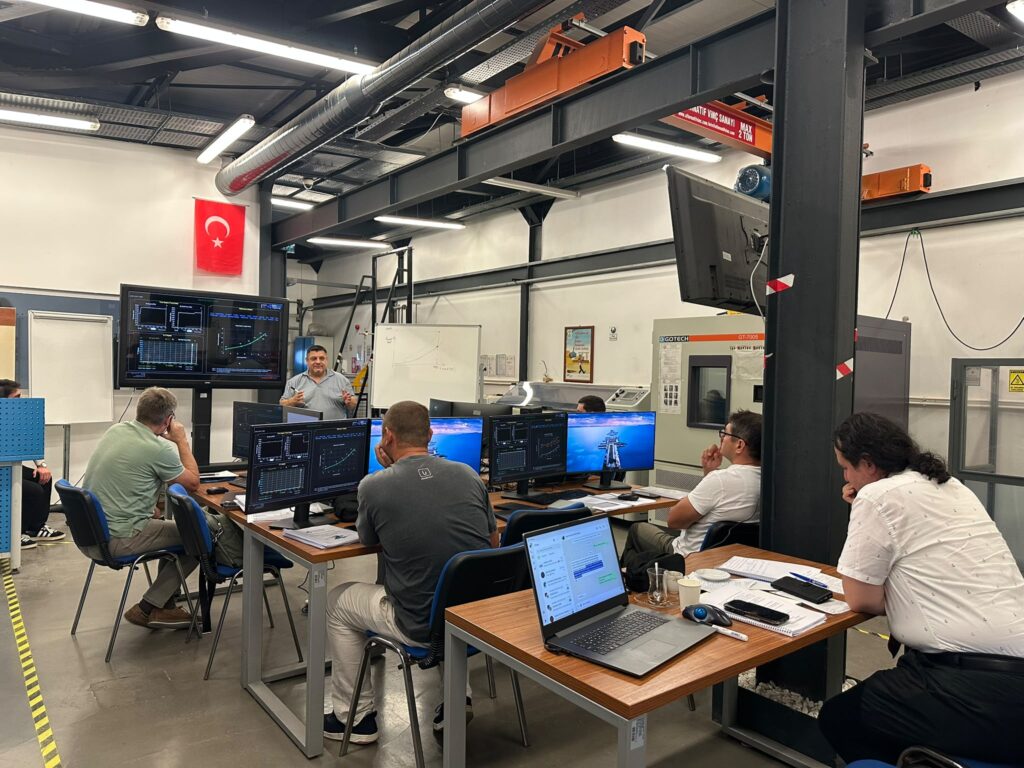
Instead of presenting troubleshooting as a predefined answer, the simulator encourages the engineer to follow the actual diagnostic process:
Observe → Interpret → Diagnose → Intervene → Verify
This combination of SERS™ simulation and hands-on MPC applications is central to the GDS training approach: participants first understand the system, then interact with its controls, and finally apply that knowledge under realistic operational and fault conditions.
Assessment and Completion
The program concluded with simulator applications, an end-of-training examination, technical discussions and evaluation.
The aim was not only to transfer technical knowledge, but also to reinforce the participants’ ability to interpret system information, diagnose problems and make appropriate operational decisions.
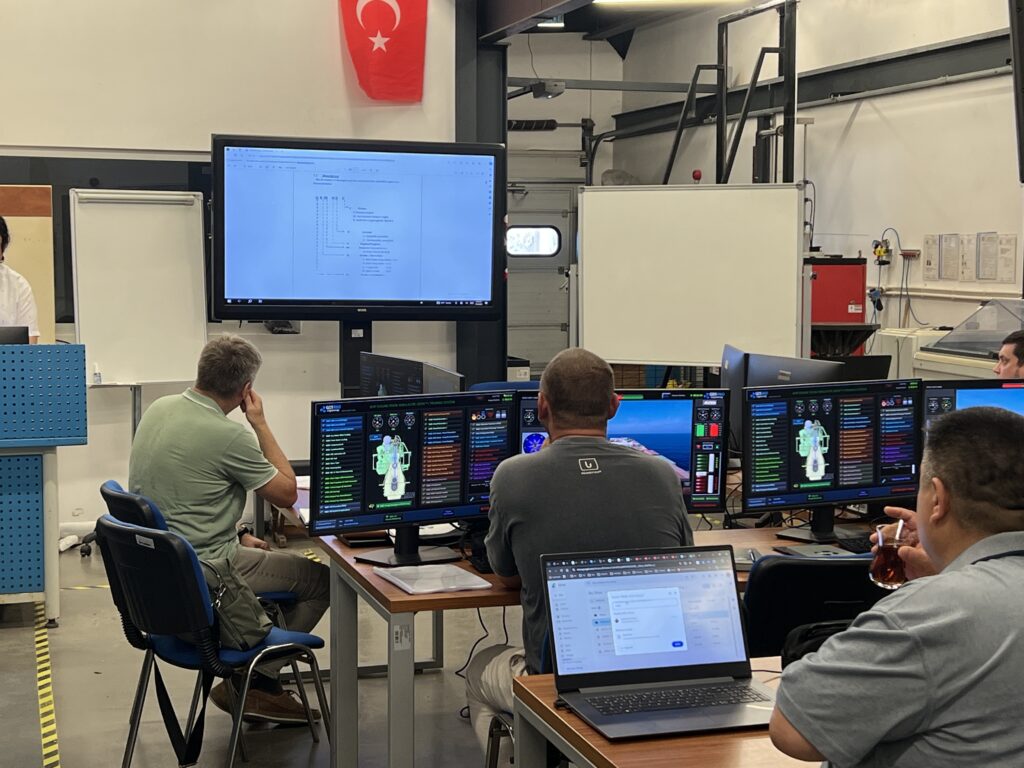
We thank the DS Crewing GmbH team for their active participation, professional cooperation and valuable technical discussions throughout the program.
GDS Engineering R&D Maritime Training Programs
The ME-C program is part of the expanding maritime technical training portfolio developed by GDS Engineering R&D, combining marine engineering expertise with SERS™ simulator applications, hands-on exercises and competency-oriented assessment.
Current GDS maritime training programs include:
- Electronically-Controlled Main Propulsion Engine (ME-C) Training
- Main & Auxiliary Engine Performance Assessment & Fault-Finding Techniques
- Oil Record Book (Part I) – Operational Records & Compliance Awareness
- Ballast Water Treatment System Operation & Fault-Finding Awareness
- Bunkering Operations – Safety, Documentation & Environmental Awareness
- Operational-Level Refreshment Training & Assessment
- Engine Room Resource Management (ERM) Training using SERS™
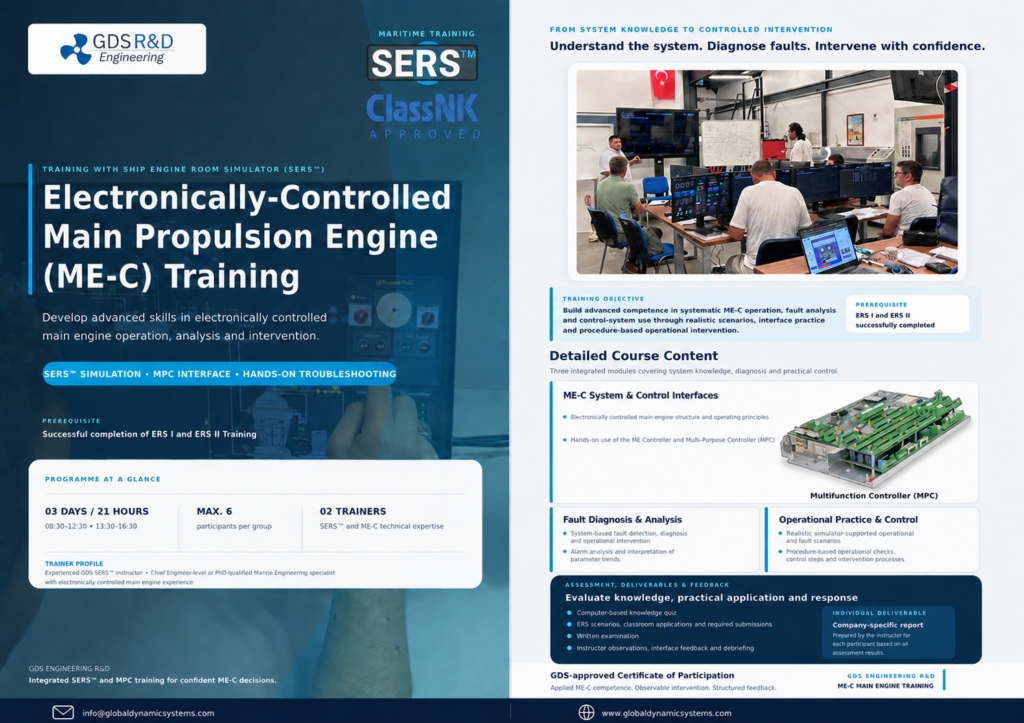
Training programs can also be adapted according to company requirements, vessel machinery and requested technical subjects, allowing organizations to focus the training on their own operational needs.
Contact Us for Maritime Training
For company-specific training, scheduled courses or further information about GDS Engineering R&D maritime training programs, please contact our team.
| US Offices: | GDS Global Office (EU/TR): |
|---|---|
| Dayton, OH. | Mountainview, CA Ph. +1 (937) 912-1220 | ITU ARI Teknokent | GTU Teknopark Ph. +90 546 934 95 99 |
Bring system knowledge into practice with hands-on training and SERS™ simulation.